11-03-2026 - Interviews & Behind The Scenes
Sony VENICE 2 and DP Jim Frohna Weave Elegance and Thrills in “Verity”
By: Yaroslav Altunin
Based on Colleen Hoover’s 2018 novel of the same name, Verity is a film that takes the popular page-turner and brings it to the big screen. Written by Nick Antosca (Cape Fear) and directed by Michael Showalter (The Big Sick, The Dropout), the creative team immersed themselves in early Brian De Palma and Alfred Hitchcock thrillers to create a contemporary story that blended Hollywood glamour with the legacy of the films before it.
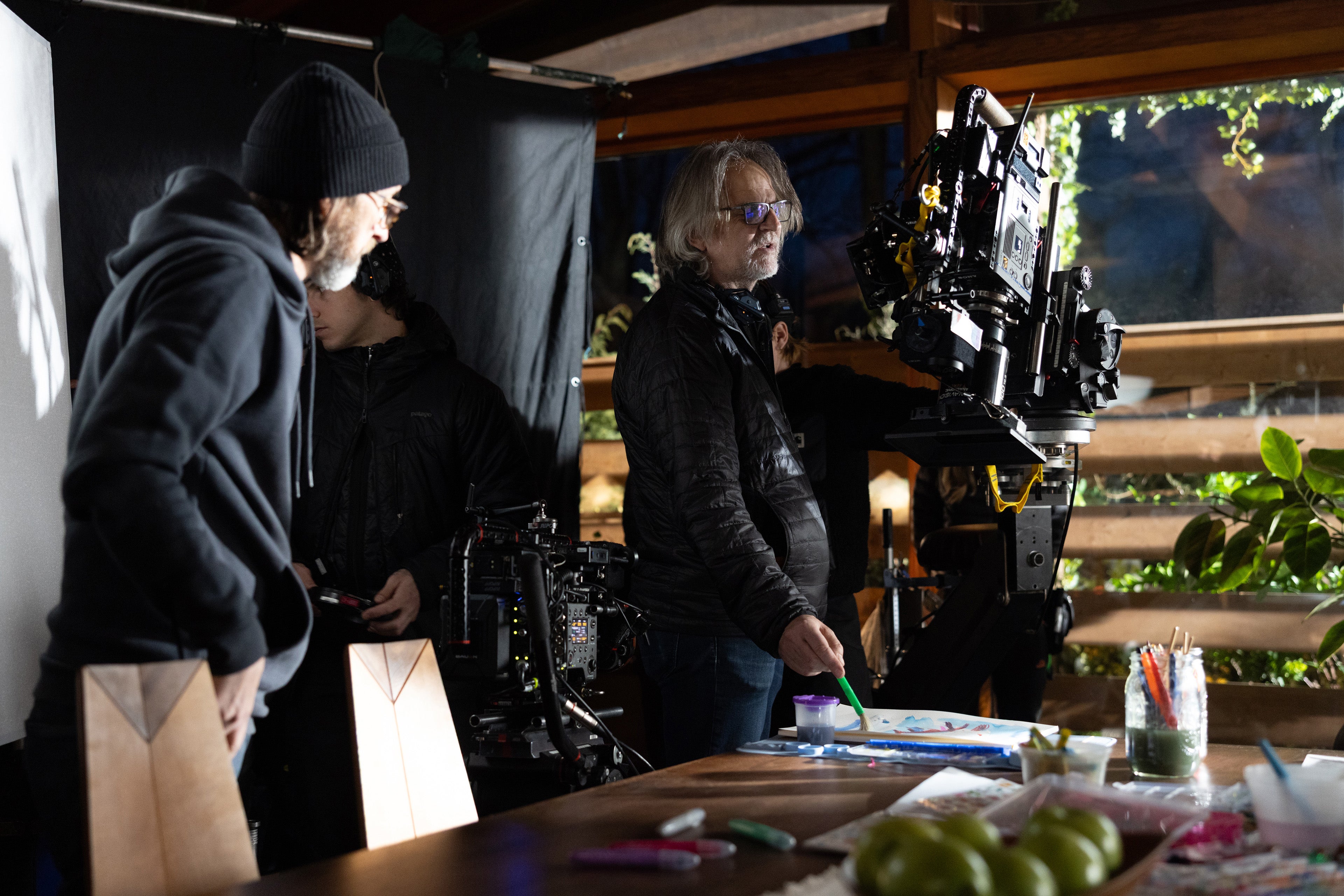
To meet the challenge, Showalter brought on cinematographer and long-time collaborator Jim Frohna (Big Little Lies, The Idea of You) to capture the film. Using the Sony VENICE 2, Frohna built a moody visual language by mixing LED and fresnel tungsten lighting to create a world built upon an unreliable narrator.
Sony Cine sat down with Frohna to explore his creative approach to his first-ever thriller, how he juggled his mixed lighting approach, and how the VENICE 2 helped him connect Verity to the films that inspired it.
Treading New Ground
While Verity is Frohna’s fourth project with Showalter, and their third feature together, the cinematographer would be treading new ground within the thriller genre. To find the right inspiration for this new material, Frohna and Showalter looked to early thrillers from iconic directors.
“The book [this film is based on] is famously a pulpy, over-the-top page-turner, and the script contains much of the same. What I would call a thrill ride,” Frohna said. “In watching a number of Hitchcock and DePalma films as well as erotic thrillers from the 80s and 90s like Fatal Attraction, the common thread we noted was the filmmakers all very consciously crafted a heightened tone and style from nearly the first frames that let the audiences know they were in for a fun, rollicking ride.
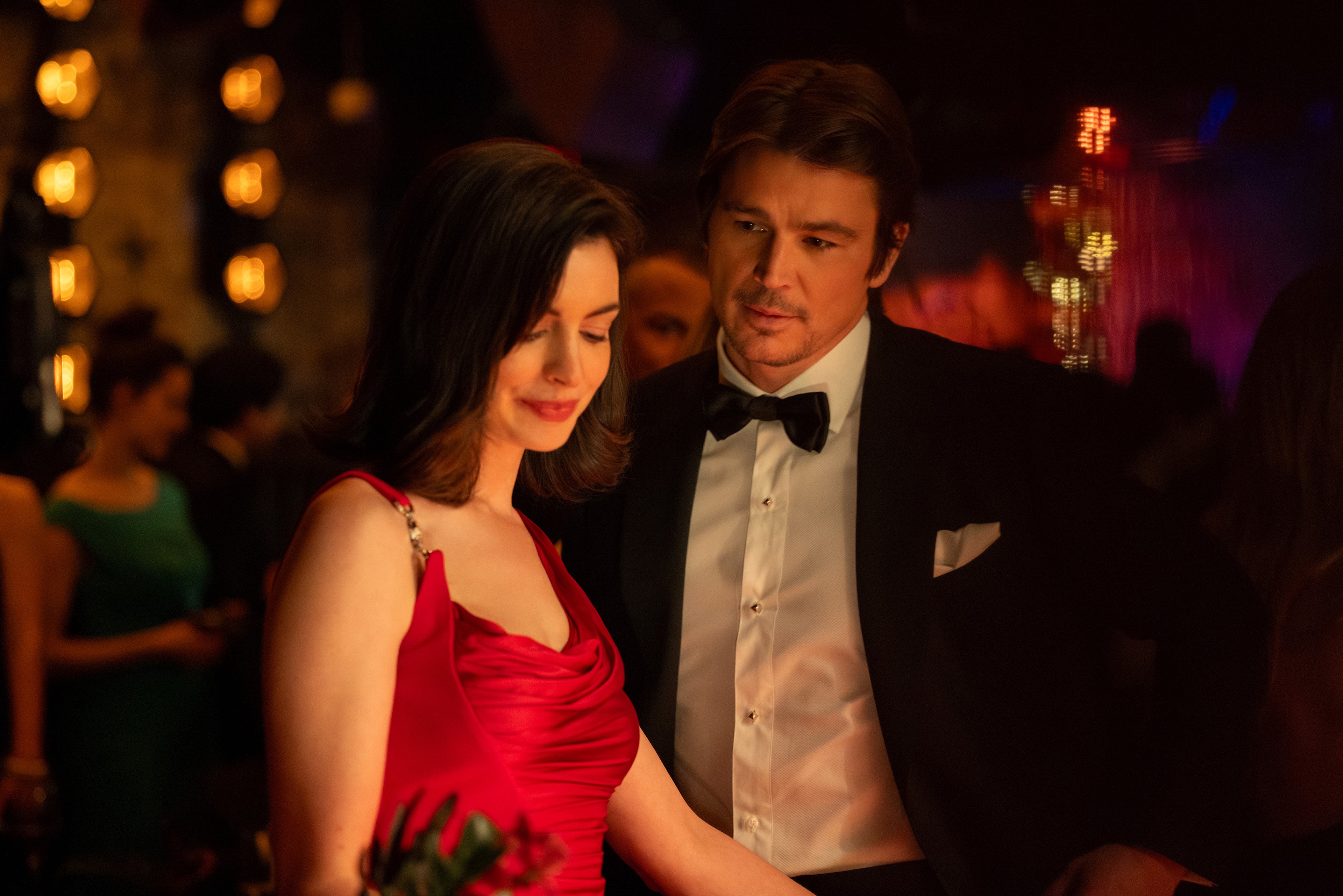
Drawn in by this new challenge, Frohna and Showalter didn’t want to just remake ideas that came before. Their film would be a contemporary story, but would still feel like it was built upon the work of its predecessors in the genre.
“One of the first conversations we had — and really what seemed to rise up for Michael in terms of the world that we were going to build in this movie — was for it to be stylish and sexy,” Frohna said. “It's also a very contemporary story, and he wanted there to be an elegance, even as things got twisted and creepy and spooky and scary.”
“Knowing that we were going to have movie stars like Anne Hathaway and Dakota Johnson, alongside Josh Hartnett, who reminds me of old Hollywood leading men like Gary Cooper, it wasn't a stretch to bring the glamour that Michael and I had talked about,” Frohna continued. “We had incredible production design and stylish costumes. Everything felt elevated and befitting of Michael's vision.”
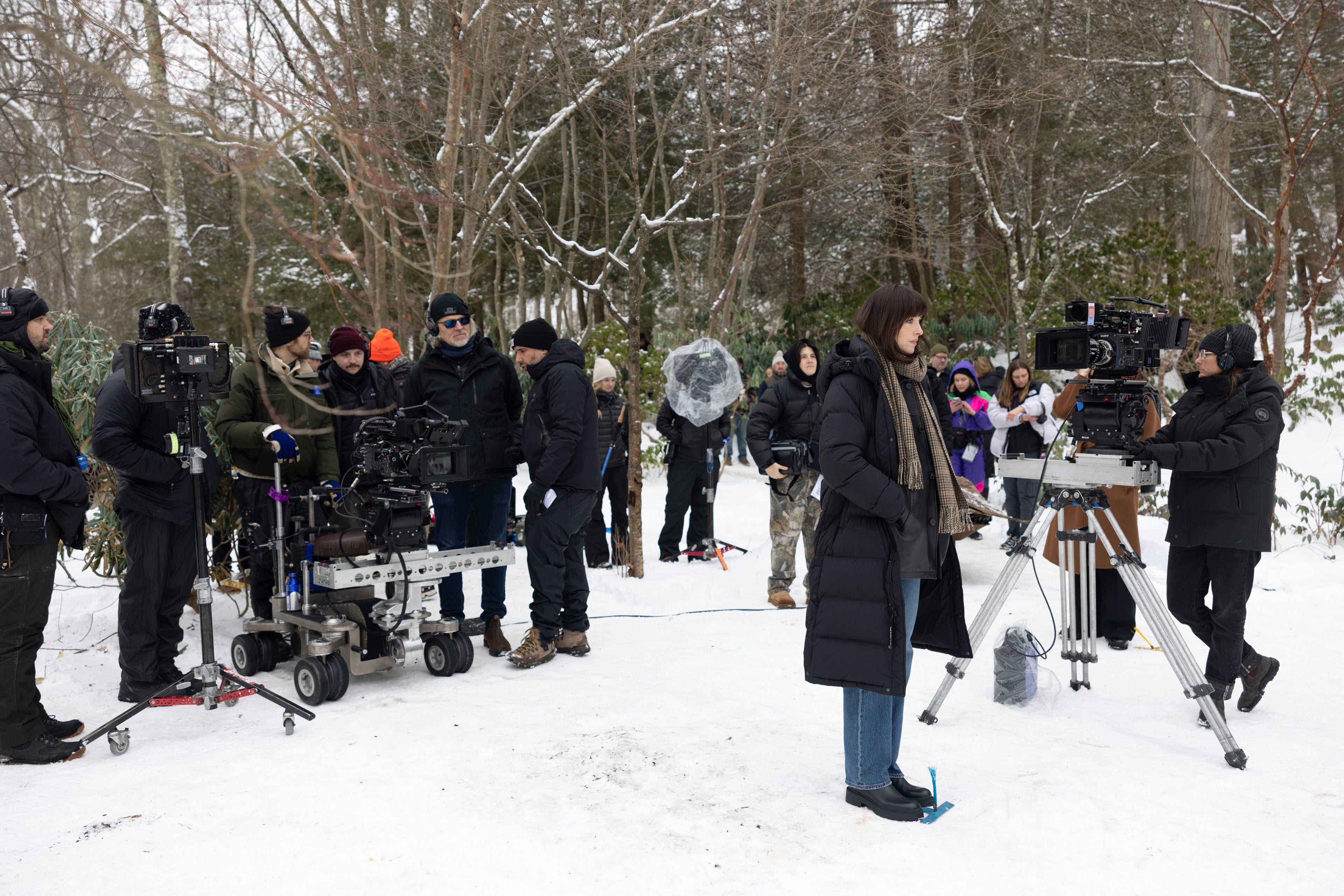
Crafting the Frame
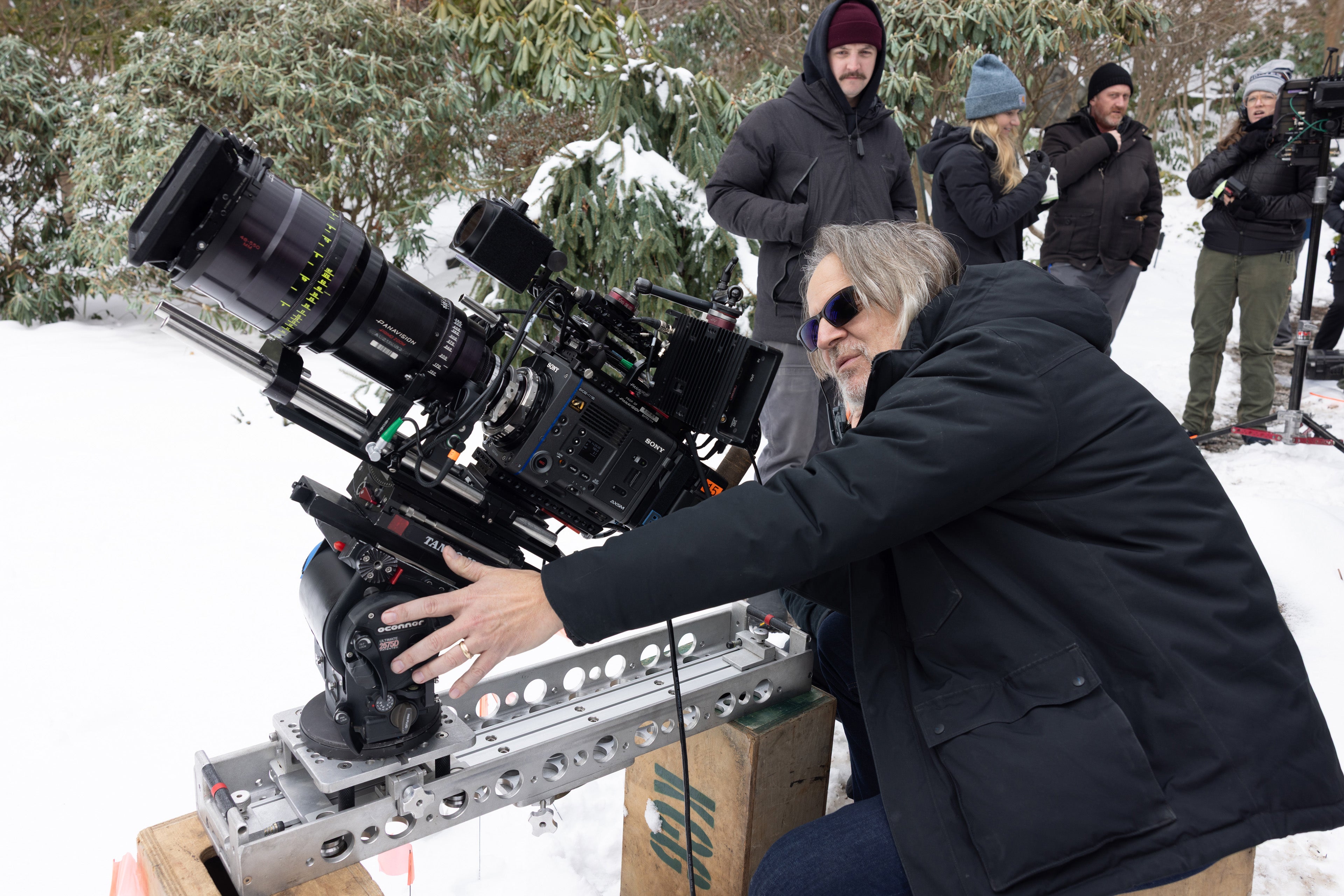
To bring these ideas into the frame, Frohna looked at three different tools that would help him elevate the visual language to new heights. First was the Sony VENICE 2, which would be the cinematographer's first time with the camera. Second, was a set of Panavision T-Series anamorphic lenses.
“It started with wanting to shoot 2.39:1 and shoot anamorphic lenses, which we did with the T-series Panavision lenses,” Frohna said. “Just making those two choices, you're landing in a truly cinematic [visual language] connected to the legacy of these other movies I'm talking about.”
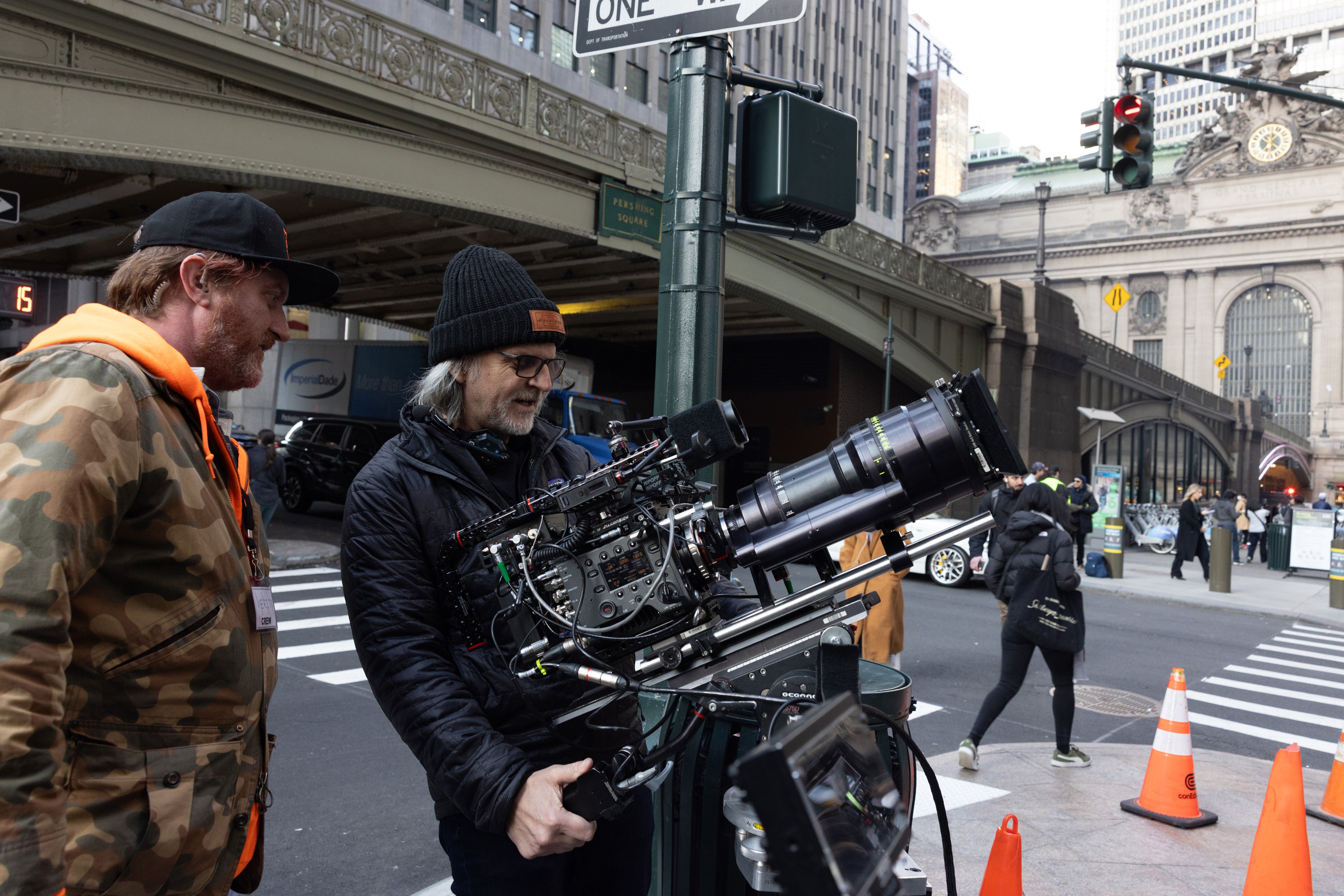
This combination instantaneously created the image the Frohna and Showalter wanted. Shooting at 8.6K to get as much resolution into the frame as possible, the VENICE 2 also offered one more surprise. By predominantly using ISO 3200, Frohna discovered a pleasing grain structure, but also found that the high sensitivity provided creative support when it came to the night scenes.
“We actually ended up shooting almost the entire movie at 3200 for that extra little noise or a grain factor,” Frohna said. "And while I knew I could push it much higher, our base ISO of 3200 was sensitive enough to handle nearly all our moodier night scenes. There are a small handful of scenes where we went to 6400 and the images still looked fantastic."
The choice to have a baseline ISO of 3200 was initially made because of the texture it gave the image, but with support from 1st AC Tony Cohen and DIT Luke Taylor, who had worked extensively on the VENICE 2, Frohna still found that his night scenes had the deep richness he sought.
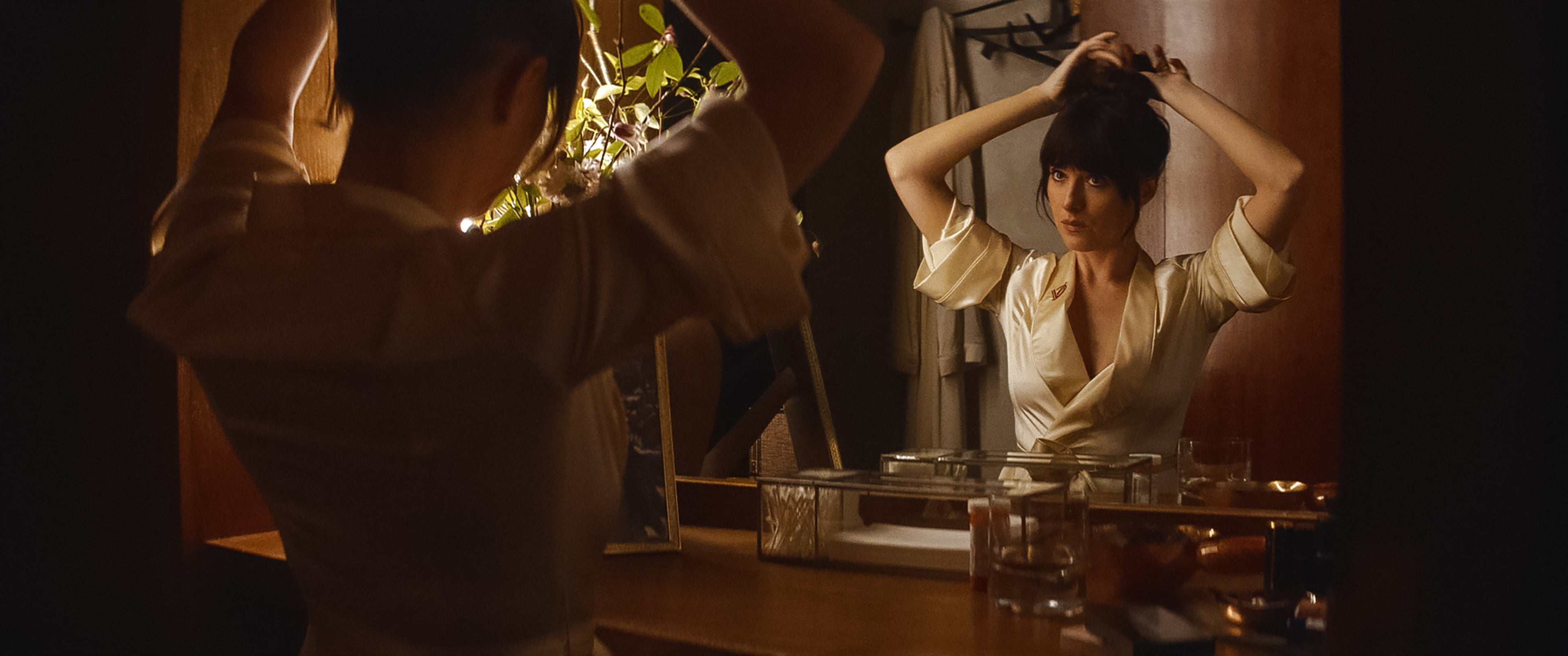
“In testing, I was taken by the pairing of the VENICE 2 with one of the anamorphic T-series lenses. There was instantly a lusciousness to the images, a richness that matched the heightened style we wanted for the movie,” Frohna said. “A lot of times, with certain modern cameras, you can feel the digital pushing through in the richness. But when we tested the VENICE 2 with our actors, it was clear that this recipe was right. Great skin tones, deep color, deep shadows. I was so pleased.”
“For each project, it’s important to find the tools that feel like the right fit and speak to what the project needs, both camera-wise and lensing,” Frohna added. “I knew that there were going to be a lot of nighttime scenes. Moody, dark scenes of Lowen sneaking around the house, trying to figure out what the hell's going on.”
Finally, the third tool that Frohna explored was older tungsten fresnel lighting for certain scenes. In the film, the character of Lowen (Dakota Johnson) gets hired as a ghostwriter and moves into the home of world-famous author Verity Crawford (Anne Hathaway) and her husband Jeremy (Josh Hartnett). There, she finds a hidden manuscript containing the history of Verity and Jeremy’s relationship that bring forth increasingly sinister revelations.
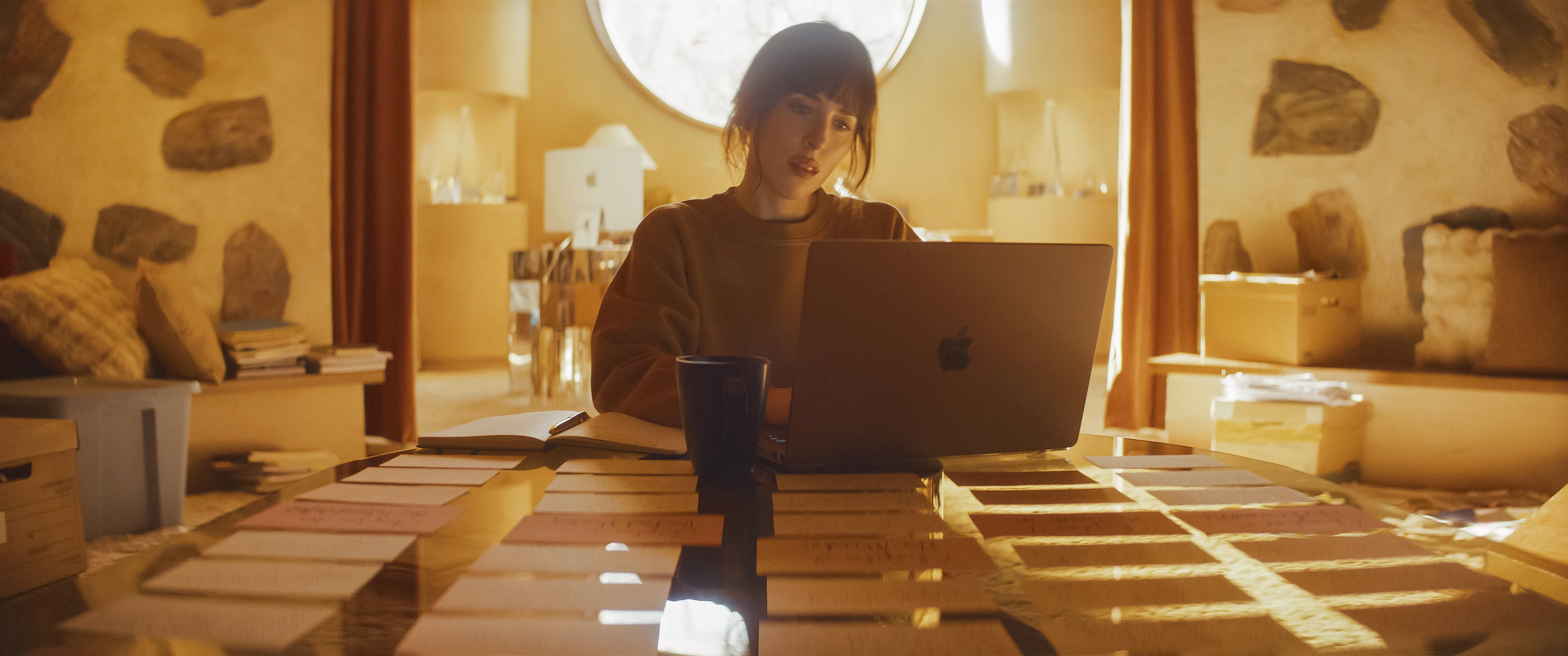
“Those flashback scenes exist in a uniquely heightened way. As Lowen reads the manuscript, we hear Verity narrating her own story as the scenes come to life,” Frohna said. “What Michael and I realized was that these scenes are coming from Lowen’s own writerly imagination and should have a very distinct visual style.”
For the scene when Verity and Jeremy’s eyes meet across a crowded room, I wanted to amp up the color, the contrast, and most especially, go for a classic lighting 'portraiture’ look,” Frohna explained. “Twenty years ago, we were using Mole-Richardson lights, like Tweenies, Babies, Softlites and Scoops, all these units that pretty much were around since the beginnings of the movie business but are now mostly collecting dust in the back of warehouses.”
“It was fun and felt so visually right to bring out some of these old units and light our leading lady and man in the classic Hollywood style.”
New Genres, New Opportunities
With Verity being Frohna’s first true thriller, the desire to explore new ground after a multi-decade career was too good to pass up. Shooting this film on the VENICE 2 felt poetic, giving Frohna a new toolkit to explore a new genre, helping him weave the work of each department, cast member, and the director’s vision into a film that he was proud of.
“I've been a DP for 25 years, but I still welcome any opportunity to expand and to grow,” Frohna said. ”And what feels so good is that, along with all the technical elements and creative aspects I mentioned, we all went full throttle into the genre; the crew, the director and our fantastic cast were all so committed to delivering the goods. I think it looks great and I’m proud of what we made.”
Verity premiered in theaters on on October 2, 2026, and arrived on digital streaming on October 27, 2026. To learn more about the Sony VENICE 2 and the other cameras in the Sony Cinema Line, visit our Camera Comparison Chart.


