05-26-2026 - Interviews & Behind The Scenes
How Sony BURANO Captured a BANFF Award-Winning Doc
By: Yaroslav Altunin
Winner of Best Short at the 2025 Banff Centre Mountain Book and Film Festival, Borrowed from the Earth is a visual exploration of Blackfeet Nation oral history and the incredible bond they share with the horses in their care.
Directed by producer and commercial director Zach Johaneson, the short doc was captured by DP Chris Murphy, a cinematographer and expedition filmmaker who thrives in the world of action sports and atop mountains such as Everest. Utilizing the Sony BURANO, as well as the VENICE 2 and FX3, Murphy and Johaneson weaved a cinematic visual palette for Borrowed from the Earth, one not often seen in documentary films.
Letting the Movement of Horses Inspire the Visual Language
Shot over the course of five days, Borrowed From the Earth finds its visual language in two juxtaposed worlds: in the mere hours of dusk and dawn as an elder recites his people's history with horses, and in the adrenaline-fueled moments of the Indian Relay races of the Blackfeet Nation, a sport only made official in the 1980s.
Murphy and Johaneson used this oral history as the backbone of their look, leaning into the story to find a foundation from which they would build the entire film.
“[The film] started out as this very verité style, handheld concept,” Murphy said. “But we were getting this oral history from a Native American elder, and in a way, you can take that audio and use it as a blueprint and create a script as if we were shooting a narrative.”
‘So it's documentary, but we really approached it like a narrative film and built the scenes out and knew how we were going to shoot things.”
However, determining how they wanted to capture these stories and moments posed a challenge, leading Murphy to examine the movements of the horses themselves.
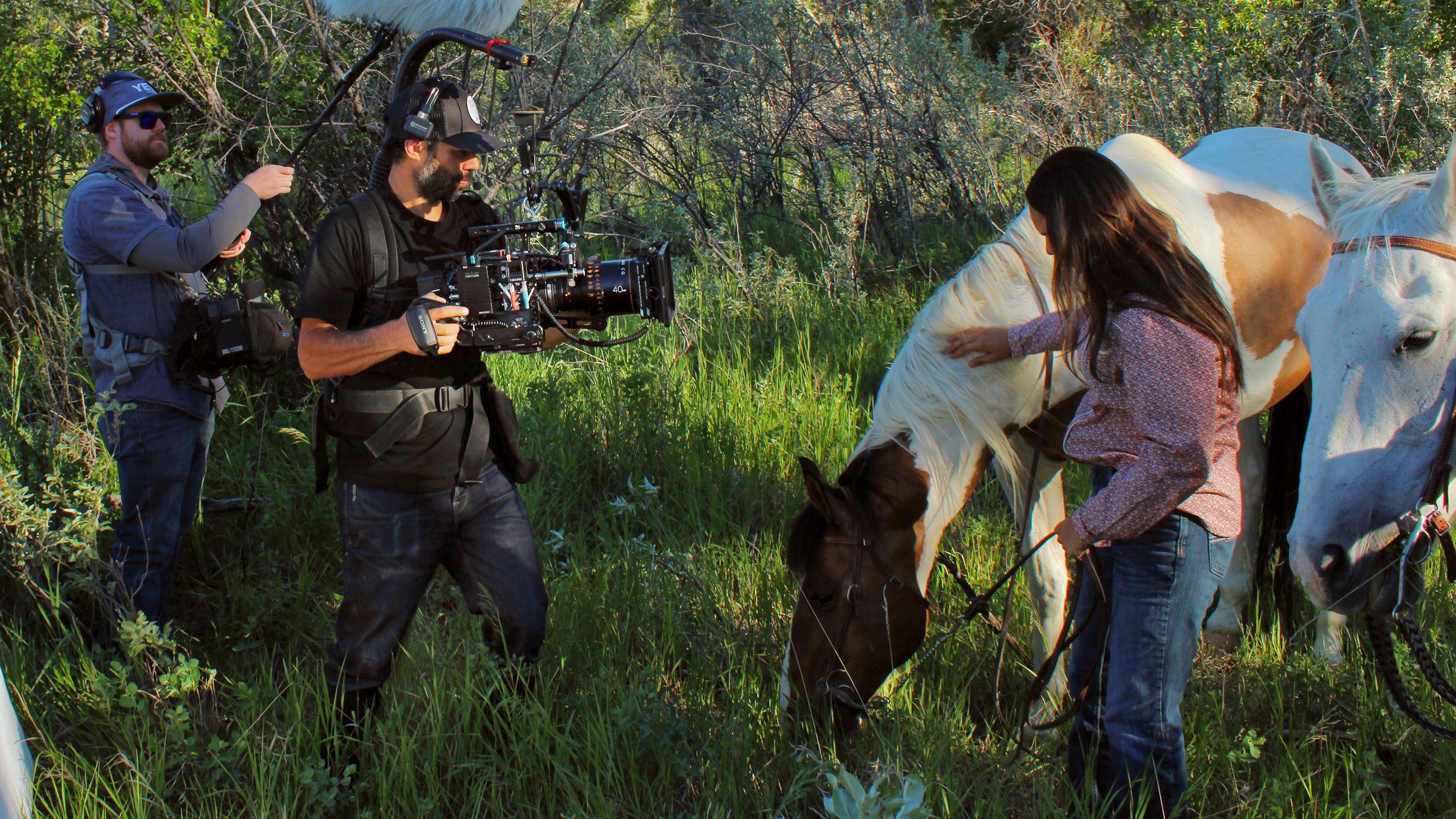
“When we started building the visual language, we were discussing how to shoot horses and how to shoot them in these environments where things are moving fast,” Murphy explained. “And shooting handheld out of the back of a pickup is challenging because you're not on a road a lot of time. You're just out in the wilderness on the Blackfeet Indian Reservation.”
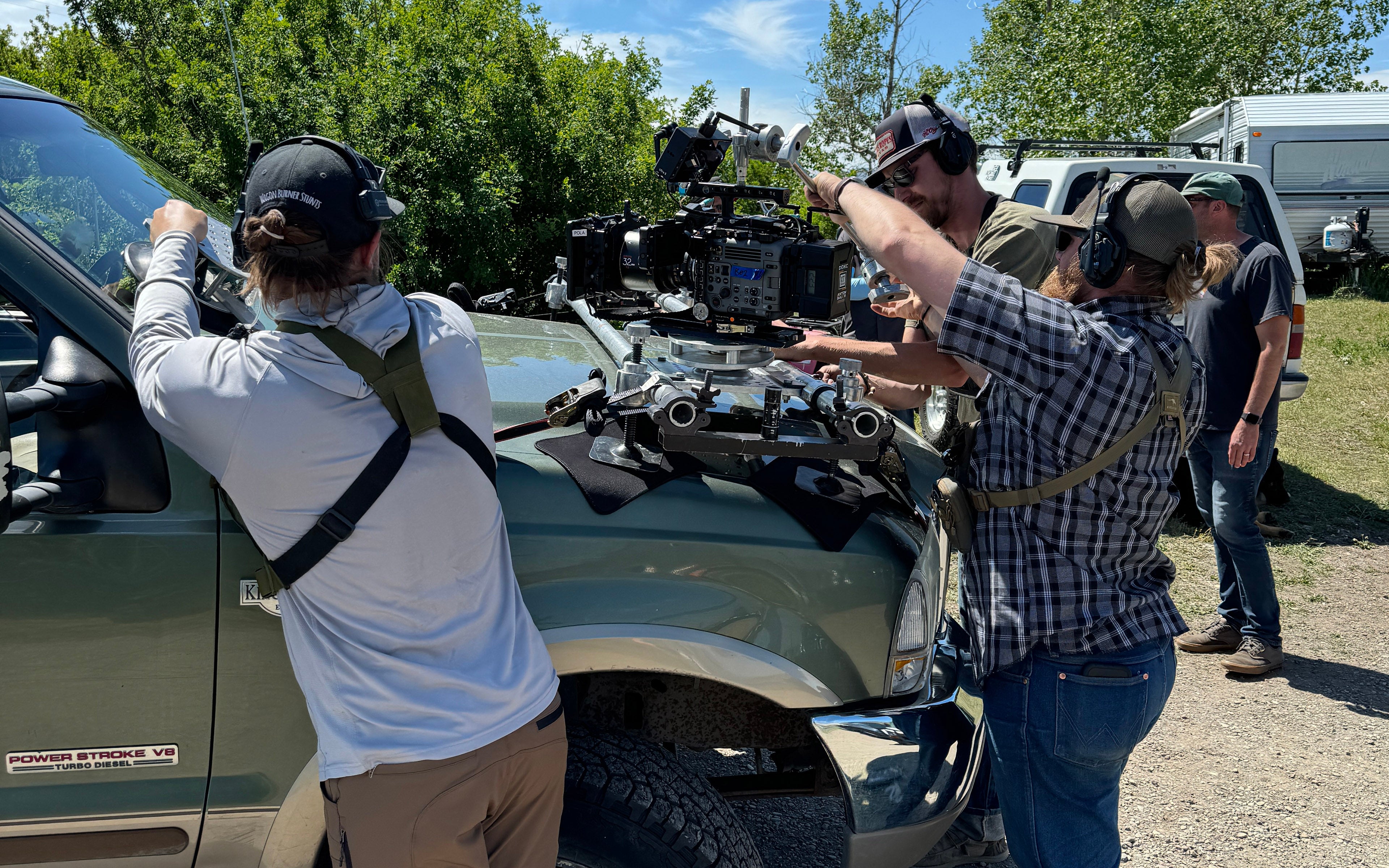
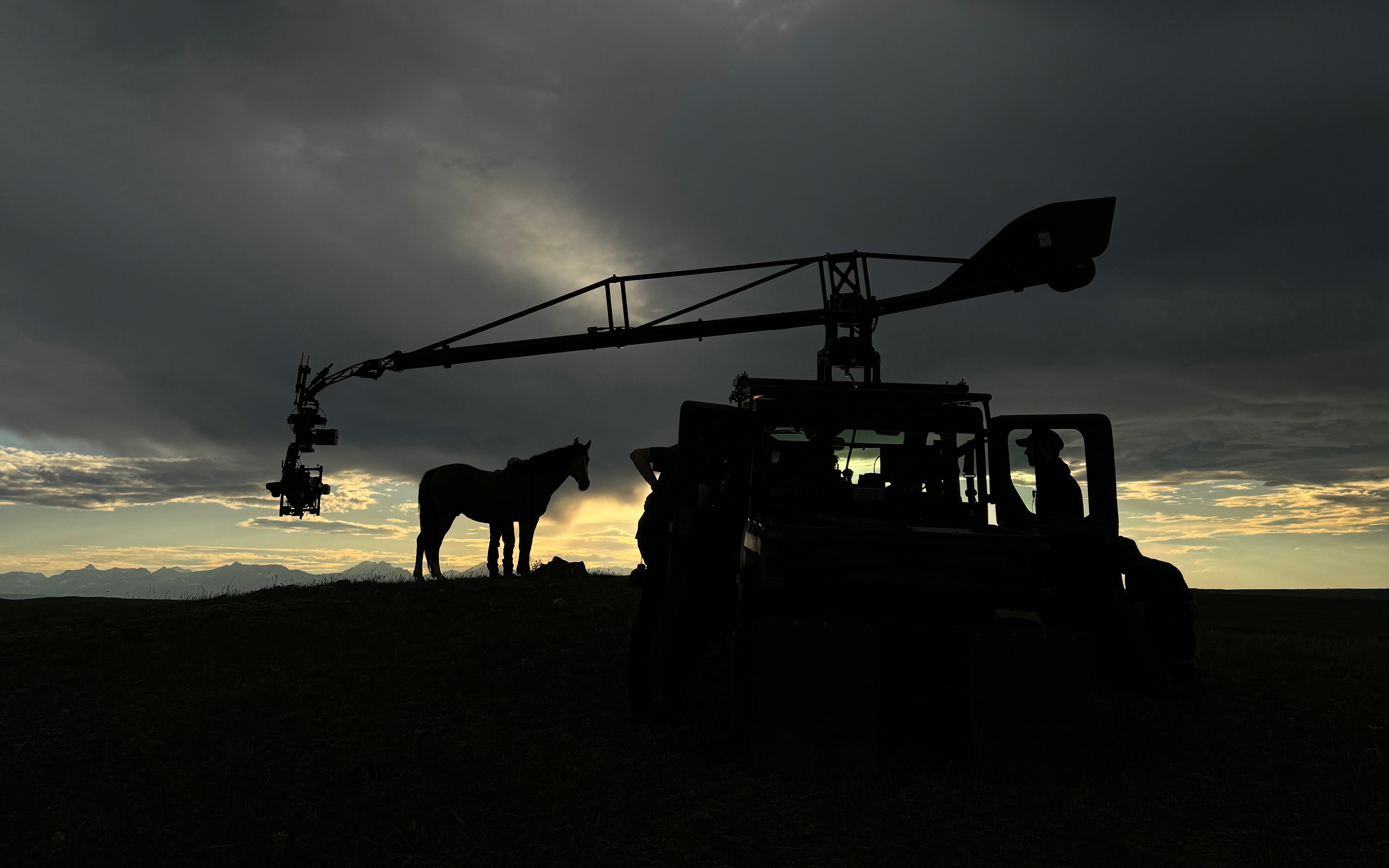
“A lot of times I want to shoot things on a tripod and just frame the landscape and make it look really beautiful, and make the landscape itself a character,” Murphy continued. “And the only way we thought about doing that while moving, and still having that picturesque frame that didn't bring too much attention to the camera was to put it [on a Polaris Ranger] arm car and have this very stabilized shot, because shooting things on a long lens handheld out of the back of a truck is very challenging.”
Murphy and Johaneson leaned on their years of experience working together on commercials to streamline their camera builds and creative workflow. Every scene and moment was planned, allowing them to focus on the creative use of gimbals, cranes, dollies, and Easyrigs.
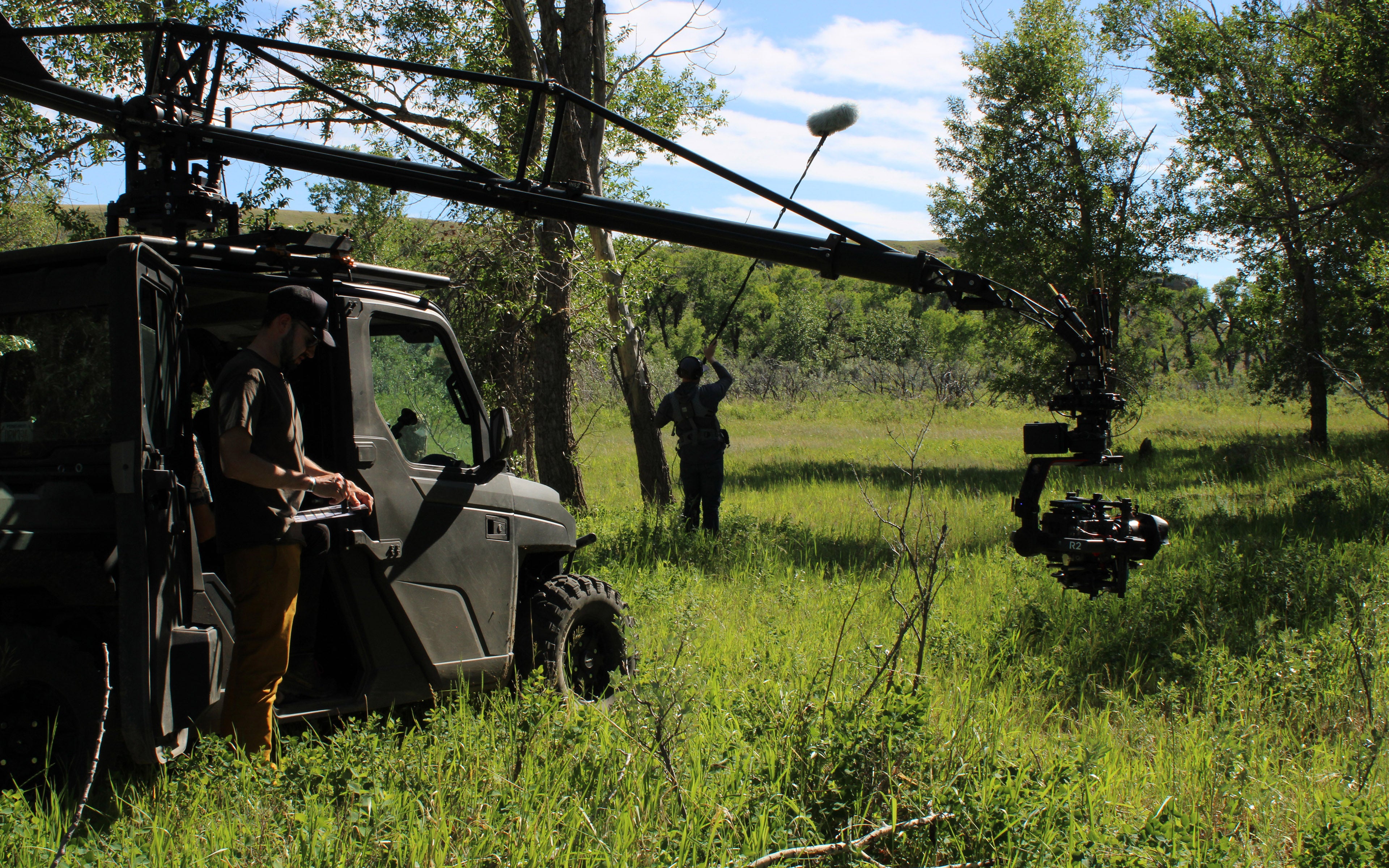
"It made sense to use that vehicle because to get out to where we were going and set up the shots would have taken forever with any other circumstance, unless you were to just shoot it handheld or on a tripod and just pan,” Murphy said. “But we wanted to feel the movement of the horse and feel the movement of the camera so that we were right there with them. Even some of the tracking shots that we did with the two women who were riding side by side at the end of the film, I wanted this wide lens up close and just tracking with them, and that was the best way to do it.”
“It’s definitely not the way that you would approach shooting a documentary,” Murphy added. “I would never think of bringing a crane to a round pen where there's a lot going on and trying to choreograph one beautiful long shot. But we were able to do it because everyone was on board and wanted to shoot something as cinematically as possible.”
How the Sony Cinema Line Helped Murphy Craft Borrowed from the Earth
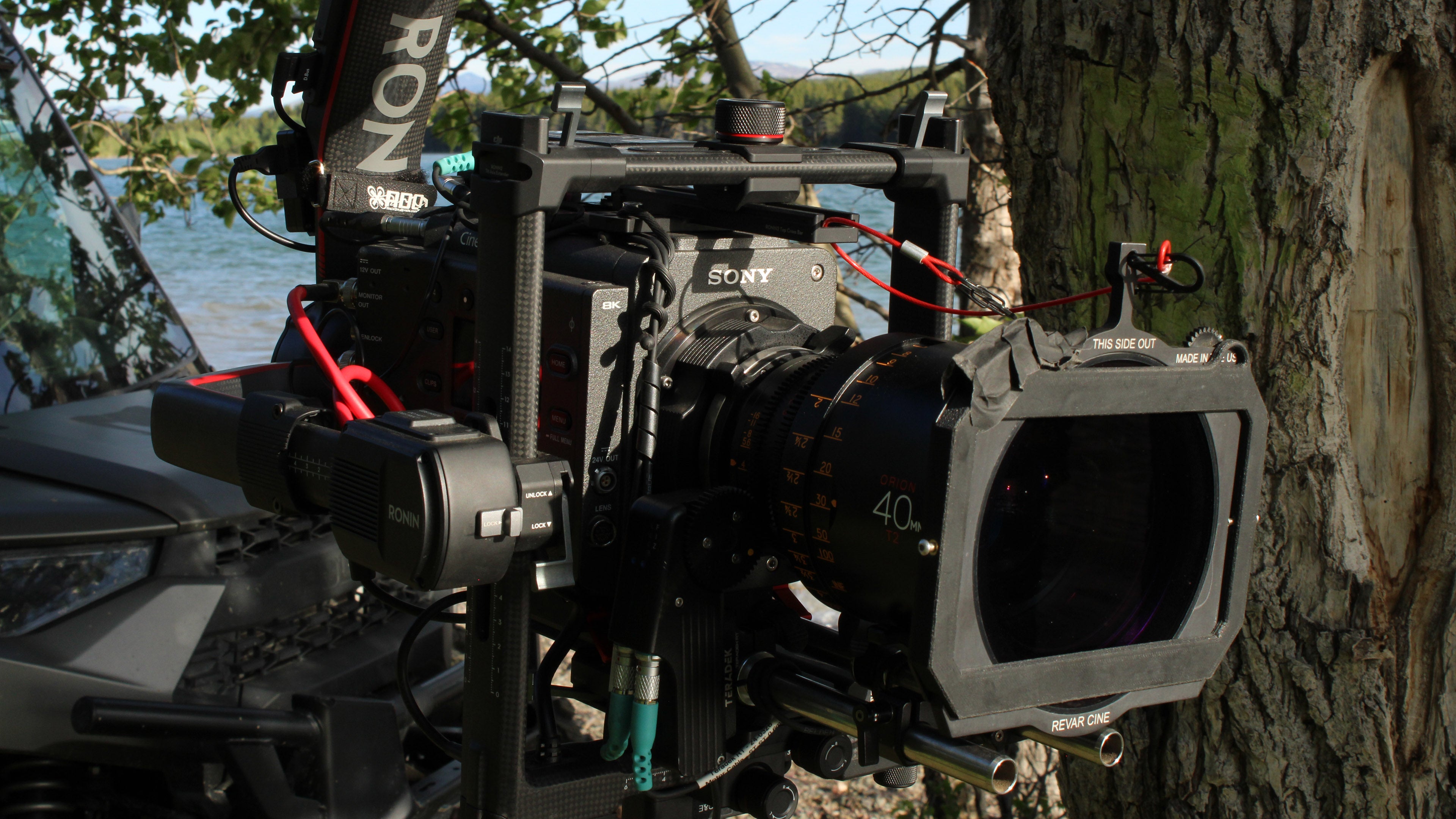
To capture these compositions during dawn and dusk, as well as in the blazing mid-day sun, Murphy needed a set of cameras that would adapt to his situation. Inspired by how the FX3 was used on The Creator, Murphy chose the Sony BURANO and paired it with the VENICE 2 and FX3. These tools provided flexibility on set and let the team move quickly to capture fading light and fast-paced races.
"I don't see the need to burden a film set, when you have such a small crew, with too much gear,” Murphy said. “So it made me think of my camera package in a different way, where I'm designing to shoot very high-quality images, but move very fast with a small crew.”
"The BURANO and the FX3 enabled me to do that. The whole Sony ecosystem on this film enabled me to do that because everything matches across the board.”
While the VENICE 2 lived exclusively on an arm car, the BURANO was used for handheld work, on a gimbal, with a crane, and on a car mount, with the FX3 being utilized when Murphy needed something small or a third camera. These were paired with Murphy’s own set of Atlas Orion Series Anamorphic Lenses, which were chosen to elevate the doc with elements often reserved for narrative films.
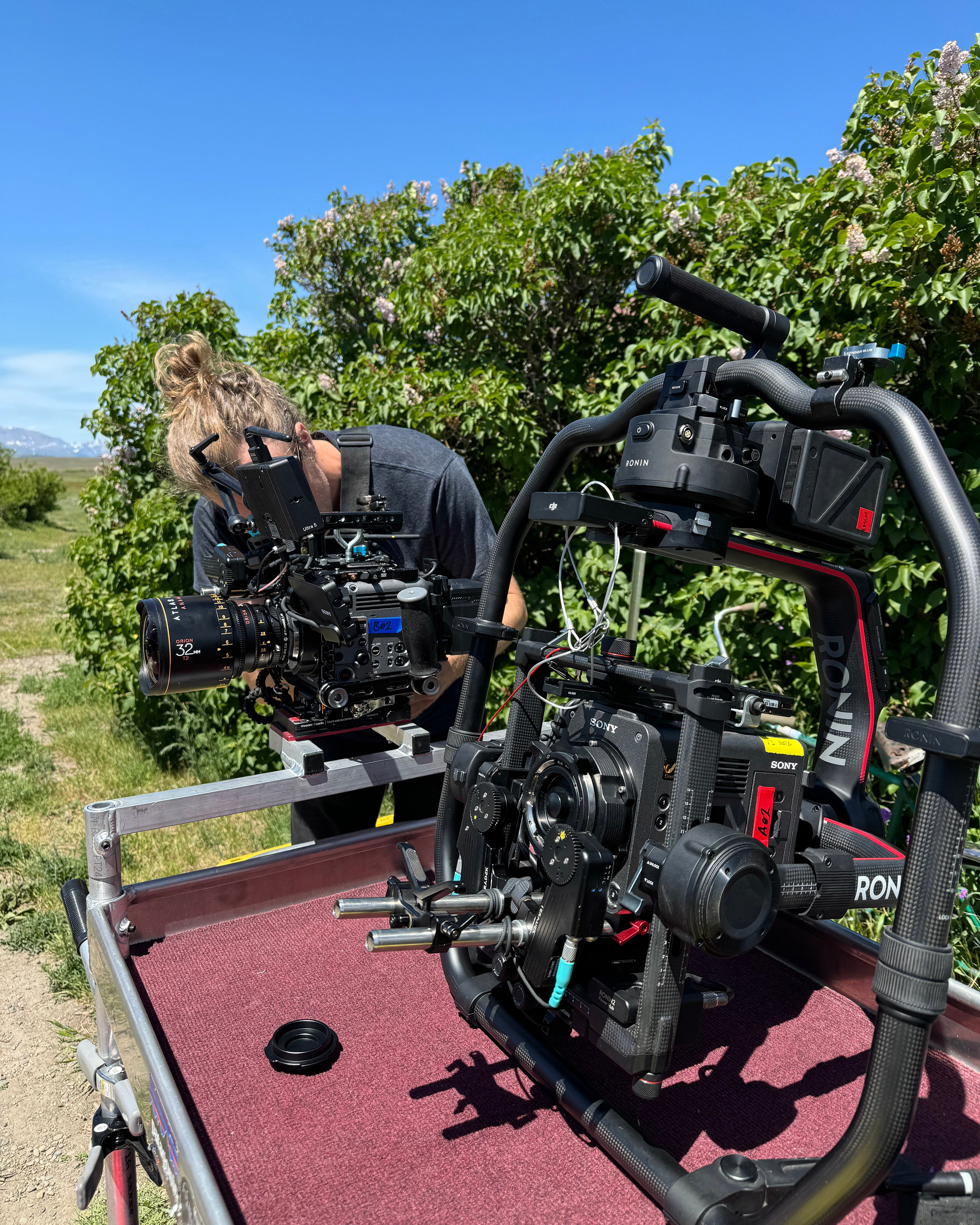
“It was pretty equal between the BURANO and the VENICE,” Murphy said. “I needed a camera that could match the BURANO and the color science, and the codecs are the same. So I knew I could grade them and match them in post.”
"We were after these dynamic shots that you could sit in for a long time and not cut away too much,” Murphy said. “I approached it in a way where a lot of the voice-overs are very quiet and understated and very humble. Like when it opens on the elder around a fire, we really wanted to just sit in that. So a lot of that is just on the Easyrig, [with one shot using] an underwater housing with the FX3.”
“But when we shot the actual relay, I had three FX3s, the VENICE, the BURANO, and then a Phantom camera to get the super slow motion, like the hooves,” Murphy continued. “Everybody was shooting. The camera assistant was shooting, I was shooting, the director was shooting, the gaffer shot the Phantom, and the grip shot the other slow motion stuff on the FX3 with the DIT flying the drone.”
“We were utilizing the entire crew for that relay race because it all happens in three minutes. They're doing three laps around the track, and that race only happens once. They wouldn’t do it again, so we had a chance to capture it.”
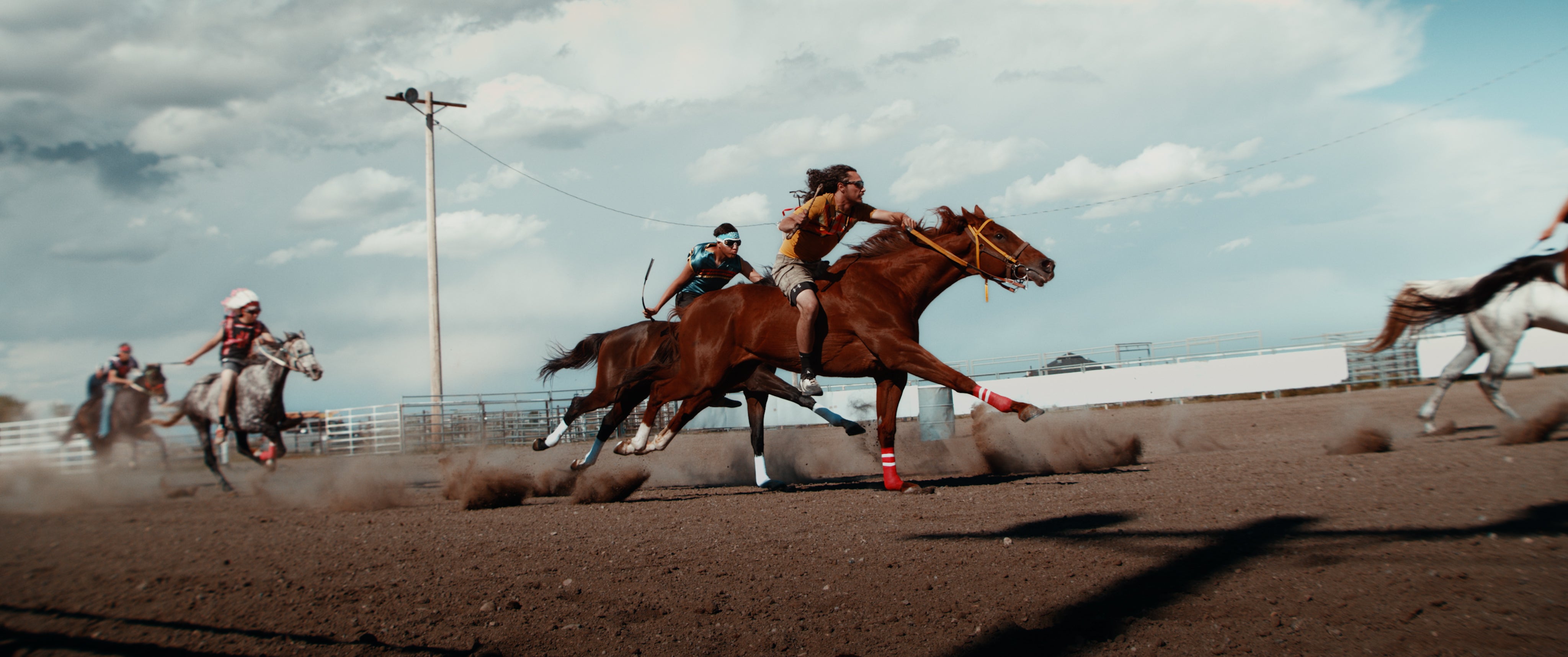
With only one chance to capture this three-minute race, having five Sony Cinema Line cameras that would all match in post gave Murphy confidence in his exposure, letting him focus on the compositions instead.
“What surprised me about the BURANO was the color science and the quality of the image. I could find comfort in my exposure,” Murphy said. “I could trust the image just like I would trust the VENICE 2.”
“But I think the thing that surprised me the most was the audio. I'm not a sound person, but that was one of the things that drew me to [the BURANO],” Murphy continued. “When you're working on a documentary and a sound person's trying to figure out where to put sound on your camera, it can be a conversation. So just having internal sound that was high quality, it just made it a lot easier.”
Where the Sony BURANO Thrives
With Borrowed from the Earth, Murphy leaned on the Sony Cinema Line to weave the cinematic images the film needed. But it was the BURANO that continued to provide him with support, either due to its compact size and image quality, or to its internal NDs and audio.
“I honestly use it on every single project I work on right now, because it’s probably the most flexible camera,” Murphy said. “I love the picture quality, the internal NDs, how you can strip it down for lightweight run and gun, or build it up to a pseudo studio camera.”
“I mean, I'm shooting commercials on it as an A Cam, which I didn't think I would be doing. I knew I’d definitely use it on documentaries and music videos, but I didn't think I'd be putting it out as an A Cam on commercial shoots.”
To learn more about the BURANO and the other cameras in the Sony Cinema Line, visit our camera comparison chart.


