06-25-2026 - Interviews & Behind The Scenes
DP Jeremy Cox and VENICE 2 Ground the Extra-Dimensional Reality of “Backrooms”
By: Yaroslav Altunin
The backrooms are a fictional location brought to life by the creative expression of countless writers from all corners of the internet. An extra-dimensional environment of liminal spaces that contorts reality, it continues to inspire both writers and filmmakers with its unsettling atmosphere.
In 2022, filmmaker Kane Parsons brought this world to life in a YouTube web series that has garnered 84 million views to date, leading to a cinematic adaptation produced by A24 titled Backrooms, making Parsons one of the youngest filmmakers to top the box office.
To lens the feature film, DP Jeremy Cox (Keeper) was brought on to weave the extra-dimensional liminal space of the backrooms with grounded reality, leaning on the Sony VENICE 2 and the VENICE Extension System 2 to blend the two worlds.
Sony Cine sat down with Cox to explore his reality-based approach to the film, how he developed the visual language, and how the VENICE 2 supported his creative decisions.
Explore the Extra-Dimensional Through Reality
Backrooms began as a YouTube series, which Parsons created almost entirely in Blender. Composed strictly in a first-person perspective, the initial creative challenge for Cox was to find a way to bring that visual language to the big screen.
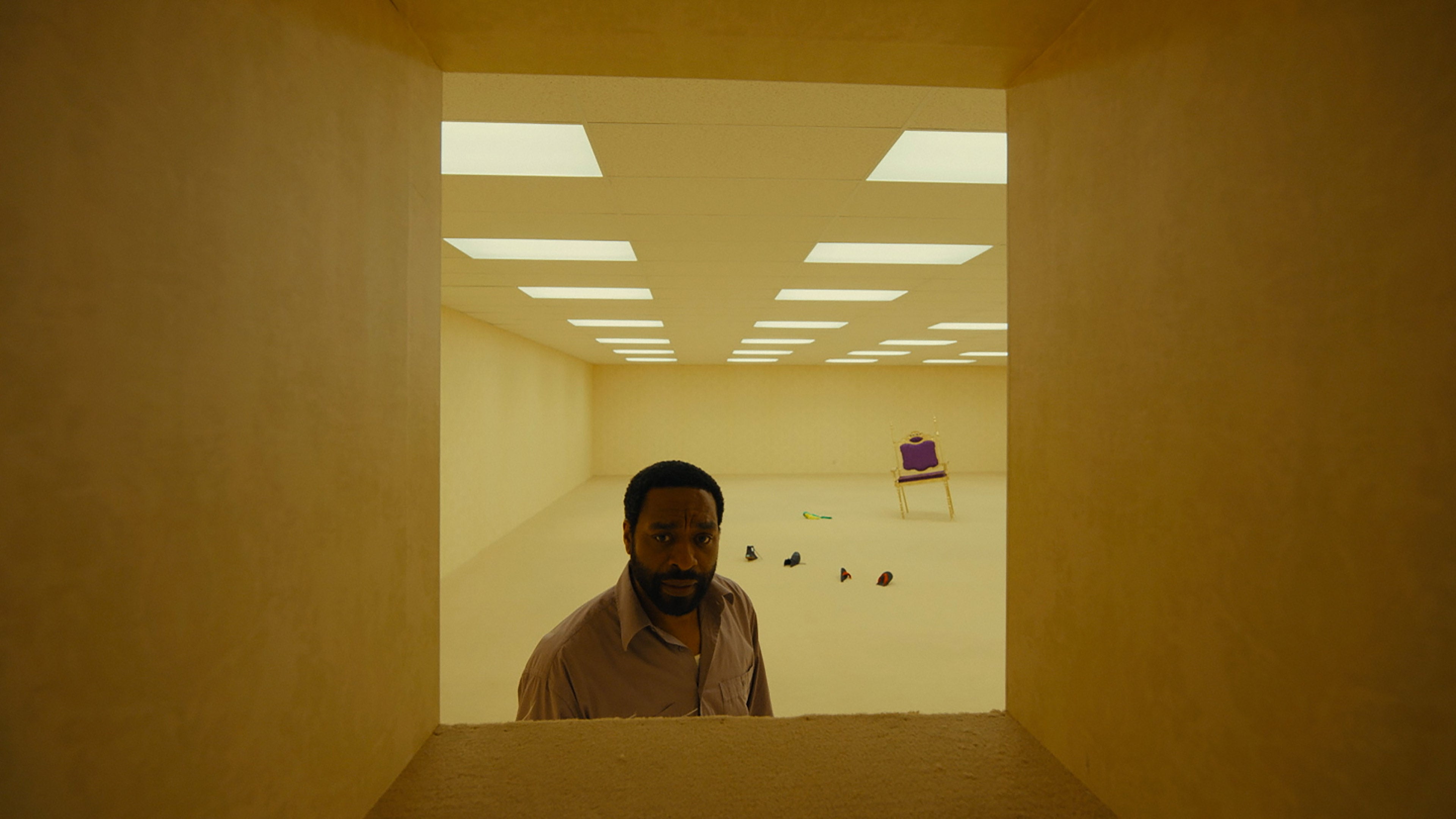
“The biggest emphasis was on the first-person perspective. A hyper subjective perspective,” Cox said. “Film often relies on a more omniscient perspective — seeing something before the audience does. However, with the source material, Kane’s YouTube series, it's very important that you're seeing it as the character is experiencing it.”
“That was an interesting challenge. Fixating on the subjective perspective really informs the shot listing. You are either looking at what [the character is looking at or you're looking at them experiencing it. It all fell into place in a natural way with those guidelines.”
Courtesy of A24
To find a foundation for Backrooms, Cox adopted a reality-based approach, grounding the film in the tangible before delving into the extra-dimensional depths of liminal space.
“It needs to feel tangible or real at first. I think that's always the best gateway into a film. Does it feel like a place that would exist or could exist?” Cox said. “It starts to get interesting when it feels tangible.”
“Rather than adding layers, I always try and subtract. Eliminating anything that comes between the audience and the subject.”
Credit: Asterios Moutsokapas
Capturing the Building Blocks of the Backrooms
While the world of the Backrooms is built upon the collective work of a diverse group of writers, Parsons’ interpretation defined the story into a cinematic universe, creating individual characters, faceless corporations, and the monsters that hide within the horrors of liminal space.
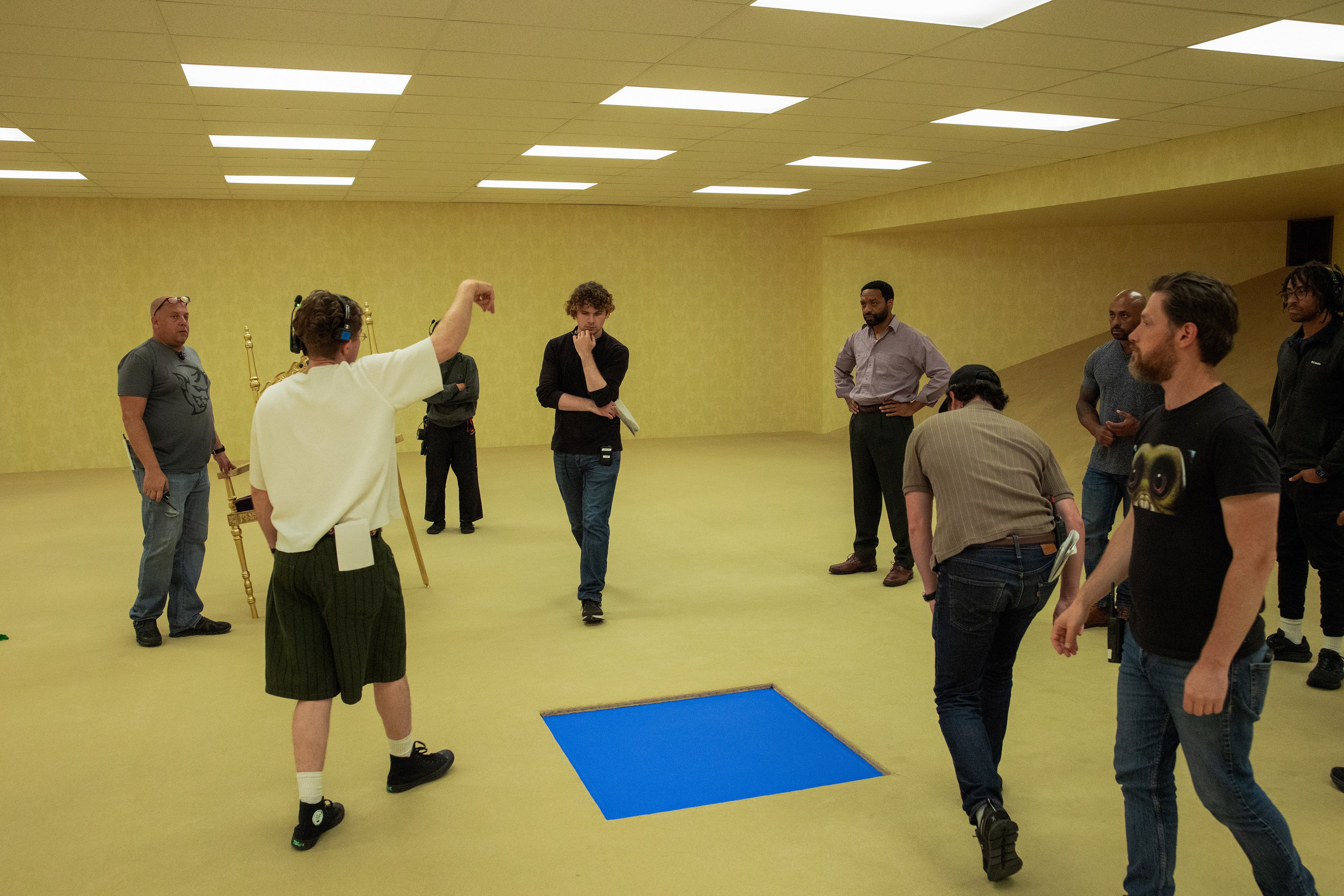
His original series was created digitally within Blender, and the feature film embraced that approach. The set that comprised the extra-dimensional environment was built without removable walls, with only a few entry points for cast and crew, which played into the idea of feeling trapped. Strange hallways and ill-fitting doors also made for a unique shooting experience, and Cox needed a camera that could function as the camera node does in Blender, leading him to choose the Sony VENICE 2 and the VENICE Extension System 2, also known as the RIALTO 2.
“What I really appreciated with the Sony VENICE 2 was that you get all of this added utility,” Cox explained. “You have internal NDs for every single stop, the option of doing the RIALTO mode, and then the dual base ISO. We used all of those features multiple times.”
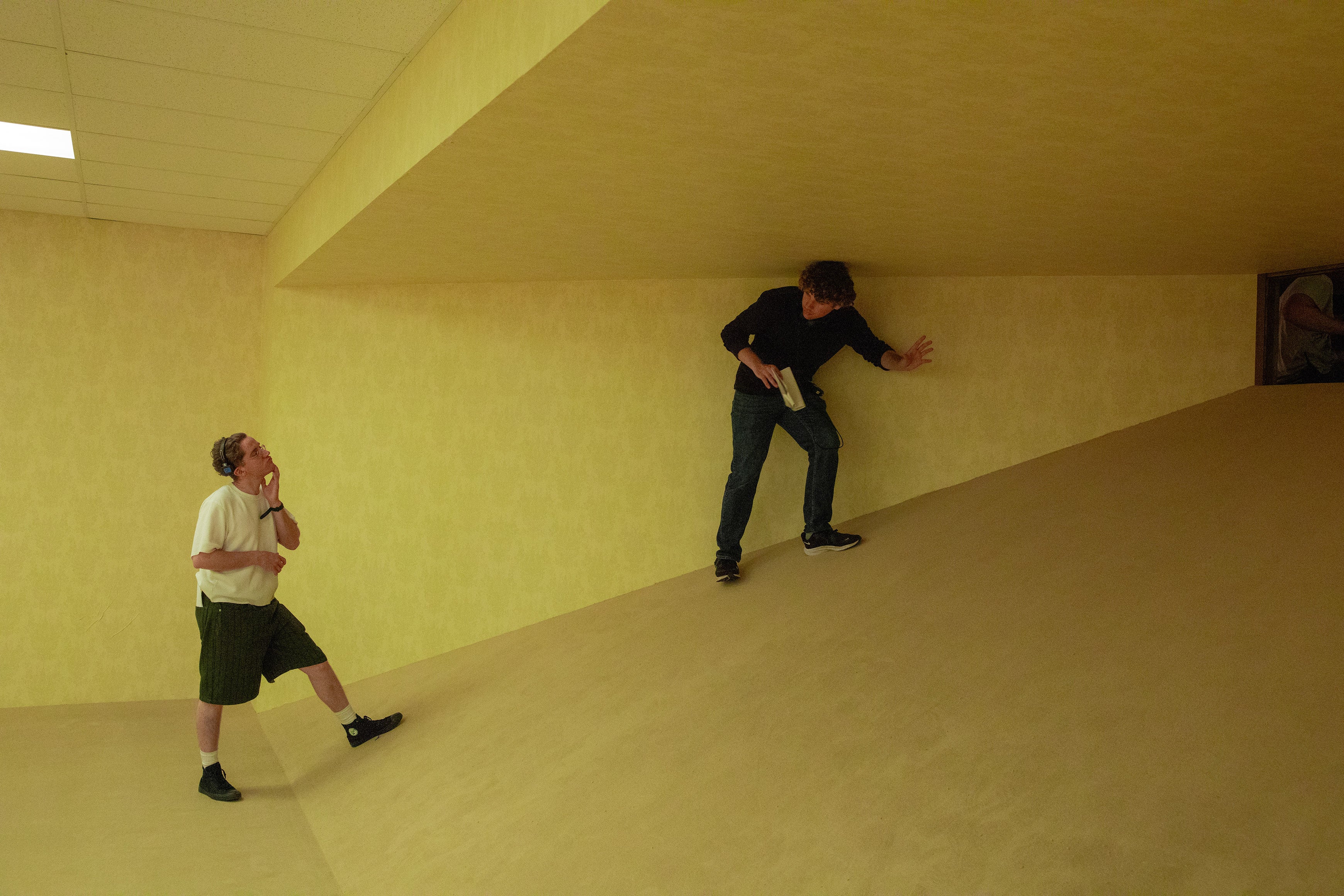
“What I appreciated about the RIALTO is that it allows you to think of the image as a node. The same way in Blender, how you can put your camera anywhere. [The RIALTO] was very similar to the way you can frame in Blender. You can get the camera right up against the wall or into a corner,” Cox continued. “And so there were a lot of times that we were previs-ing these really obscure shots stuck in corners or right on the floor looking up. With the RIALTO, we were able to actually achieve that without the long back end [of the camera] or the battery sticking into the floor, or having to dig a hole in the ground, the ceiling, or the wall. It really complemented our previs approach in Blender and allowed us to implement our workflow in real-world capture.”
Credit: Asterios Moutsokapas
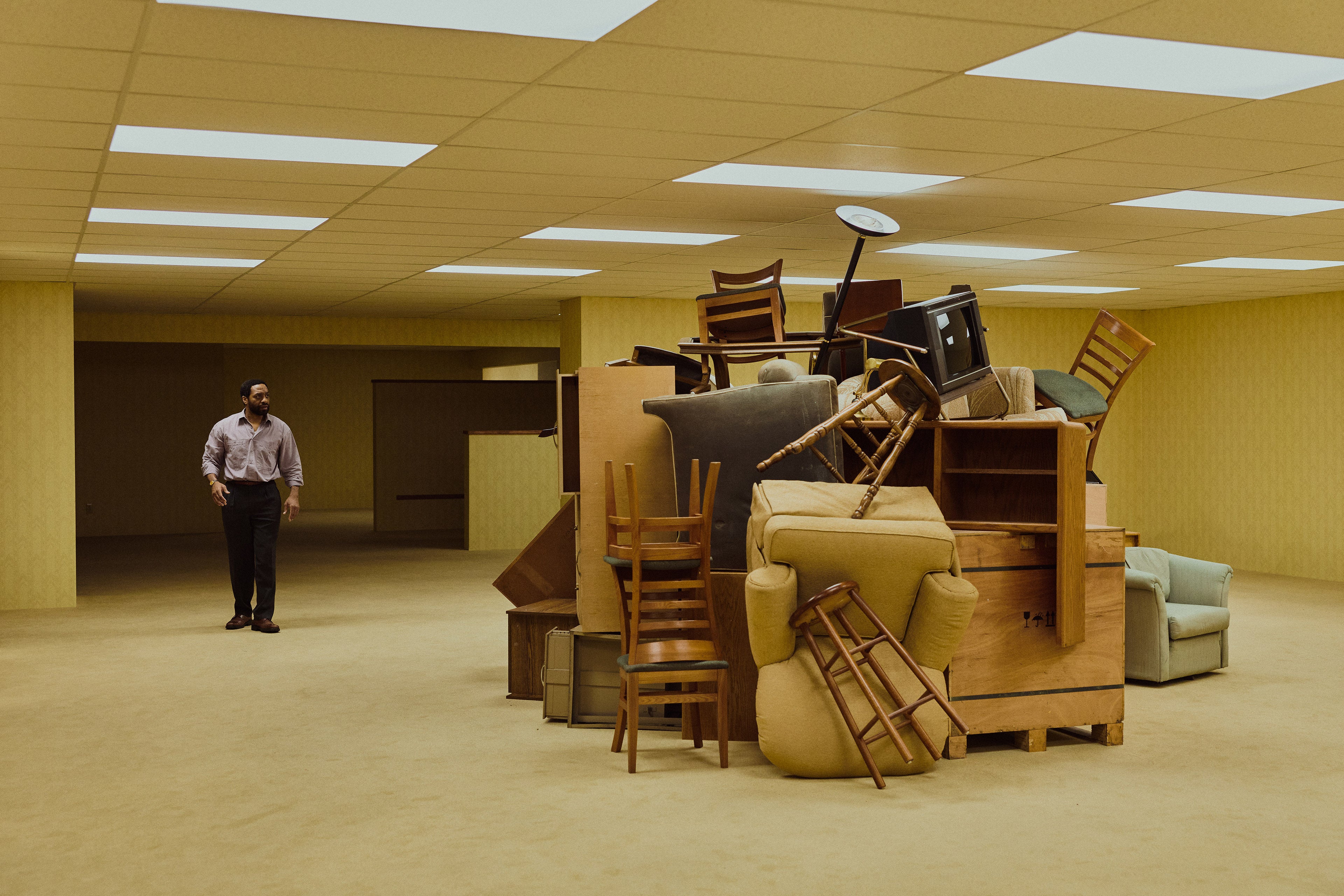
The unique spaces of the backrooms came in all shapes and sizes. A wide open office space with random furniture, a small square tunnel barely big enough for a single person, and even a pool. With the VENICE 2, Cox was able to adapt the camera to Steadicam, handheld, and to a monopod for tight spaces.
“The toothpick rig [we used] for those long tunnels,” Cox said. “There are these long, square tunnels that Clark crawls through, and so we had a piece of truss with a Camera Revolution Libra head and then the VENICE 2 at the end, and would push through the whole thing so we could have [the camera] floating through these small tunnels.”
The design and construction of the backrooms also posed a unique challenge for composition. Here, Cox relied on a set of Zeiss Supreme primes to capture the sets without imposing any additional character onto the image.
“We wanted a stable image, and I didn't want any distortion coming from the lens, so [the Supreme primes] seemed like a really obvious choice. We had lots of focal lengths available, lighter weight, fast, and consistent,” Cox explained. “We did test other, more character-based lenses, but it felt weird and felt like it imposed itself. The backrooms are so vast, monotoned, and so consistent that any effect from the lens, you would just see the gradient, or you would see the shift. And I think that's not really appropriate in experiencing that space.”
“Everything inside the backrooms is 18mm or wider, and then everything outside is around a 25mm, 28mm, and up,” Cox added. “It was funny, when you get into the backrooms, a 14mm looks normal, in a way. The whole environment is so consistent that you don't really have those clues or those giveaways, so you can afford to go wider.”
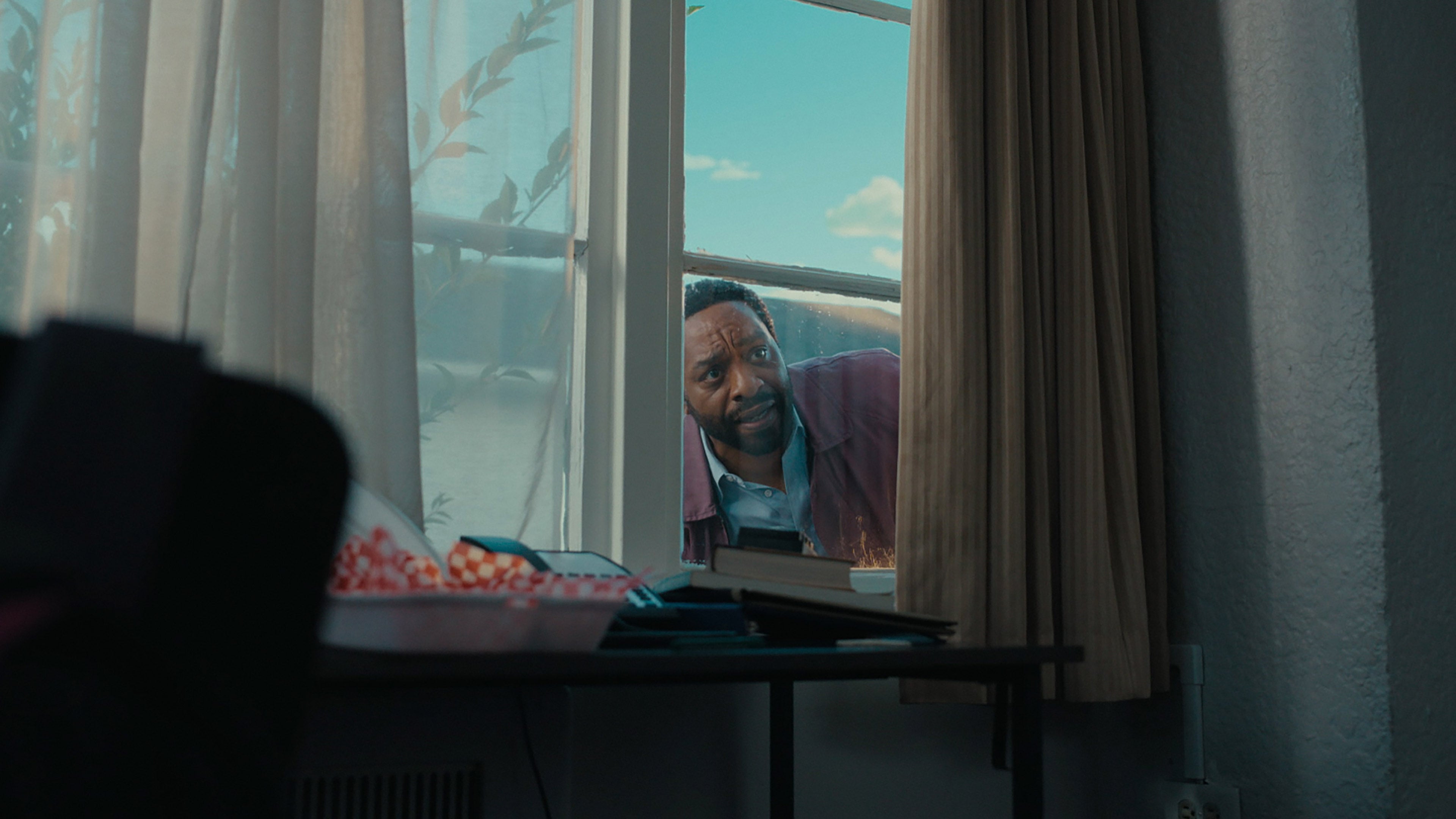
Courtesy of A24
The limitations imposed by the set were just one challenge for Cox to overcome. Outside of the backrooms, constantly changing exposure and limited lighting demanded that the VENICE 2 be versatile and quick to react to changes in the scene.
“Having the internal NDs every single stop allows you to work so fast. I was always targeting a T/2.8, T/4 split, and you can get to that place without needing to wait for a filter to come in, creatively eliminating barriers from the lens to the subject and avoiding any extra glass or a matte box,” Cox explained. “I find that when you have the gaps, you’re always kind of stuck. Should I ask for the ND and slow everything down? Or the sun comes out from a cloud, and then you're stuck in between.”
To embrace the reality that grounded the film during night shoots, the dual base ISO of the VENICE 2 allowed Cox to turn his lighting limitations into creative decisions. With ISO 3200, practical lighting thrived in the frame.
“We didn't have any lifts on the show, so all of our night lighting was done from the ground, and I really relied on the higher base ISO,” Cox said. “That 3200 ISO we used for all our night sequences. We were in some zooms, so I didn't have the stop, but could do that [with ISO 3200] and then have a smaller team run smaller LED fixtures on the ground to have a sense of the world.”
“And I think the best thing when you're running at a higher ISO for night is that all of the little environmental lights still have a play. If you're using bigger film lights, you're overpowering what's going on, and you start to lose the nuance or the details to what's already there,” Cox continued. “And so, again, in trying to embrace a reality-based approach, letting what's there have an equal weight to what you're adding, was quite important.”
“The most surprising thing was how good the high base ISO looked. I think I'm always concerned about a higher ISO just from a thinness perspective, but when we were in the grade, as soon as you add the contrast back in, it becomes quite dense. I was super impressed with that, which I would definitely rely on more in the future.”
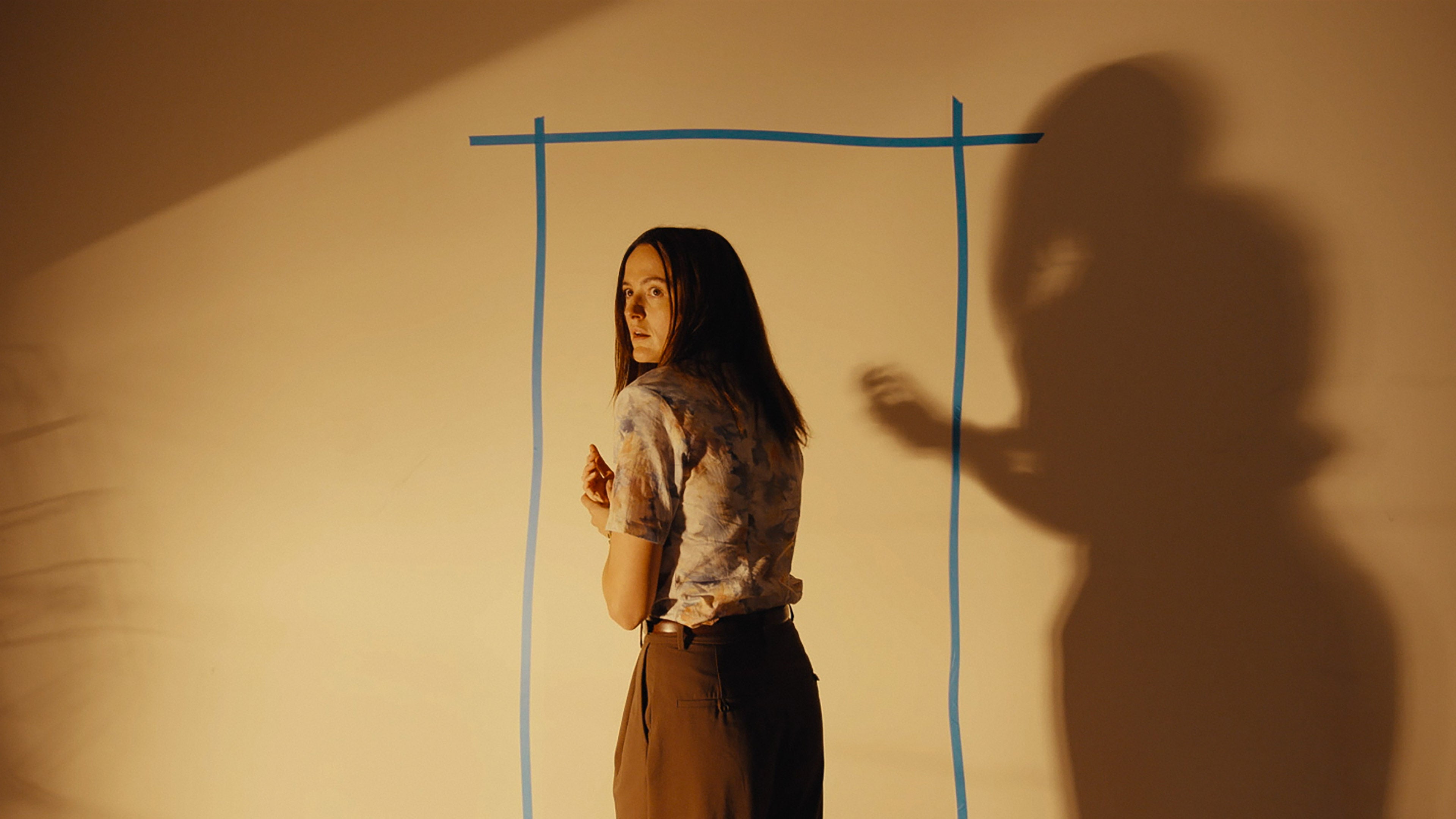
Courtesy of A24
Staying True to Reality
With a film like Backrooms, which breaks reality and an audience's perception of it, the moments that fall in between become critical. For Cox, these moments not only tie the two worlds together but also build upon the reality-based approach of his visual language, placing the extra-dimensional environment that Parsons refined into our own world.
“The moment that I'm most proud of is when Clark first sees the gap to the backrooms. You see him notice it, and then he goes in, and then we follow him through that journey,” Cox shared. “When I read the script, that scene always stood out as a really pivotal moment in the film. I was really pleased that it was exactly what Kane and I pictured. That was quite a rewarding scene.”
Backrooms premiered in theaters on May 29th. To learn more about the Sony VENICE 2 that captured the film, or the other cameras in the Sony Cinema Line, visit our Camera Comparison Chart.


