06-11-2026 - Interviews & Behind The Scenes
DP Benjamin Kitchens Pushes Sony VENICE Into Gritty Shadows for “Night Patrol”
By: Yaroslav Altunin
As a cinematographer, Benjamin Kitchens is half technician, half creative craftsman who has made a name for himself as a commercial DP. However, within the world of film, Kitchens effortlessly blends genres to make gritty films, such as the Ryan Prows-directed Low Life and Narcocorrido, which won the Silver Medal at the 39th Student Academy Awards.
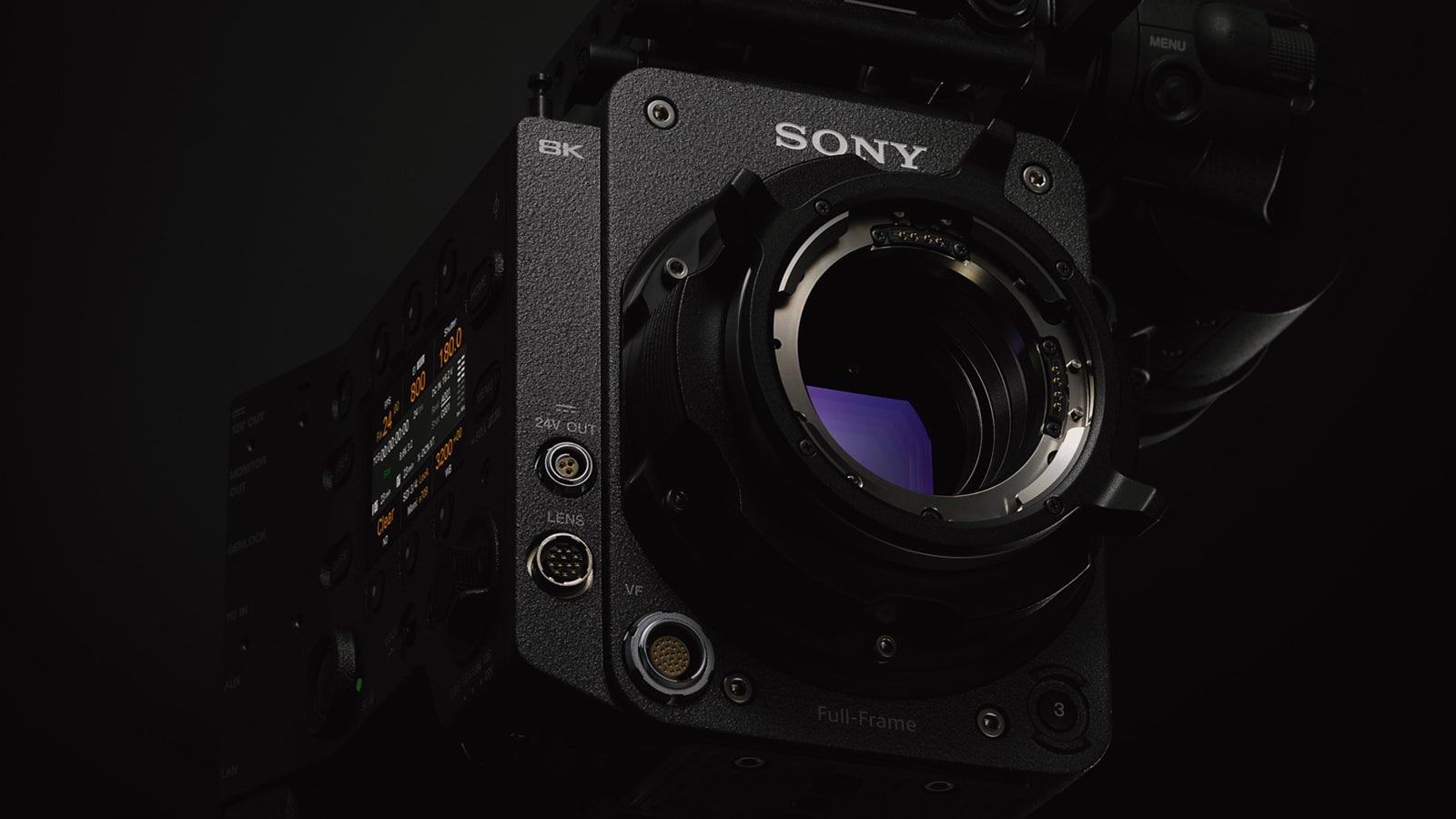
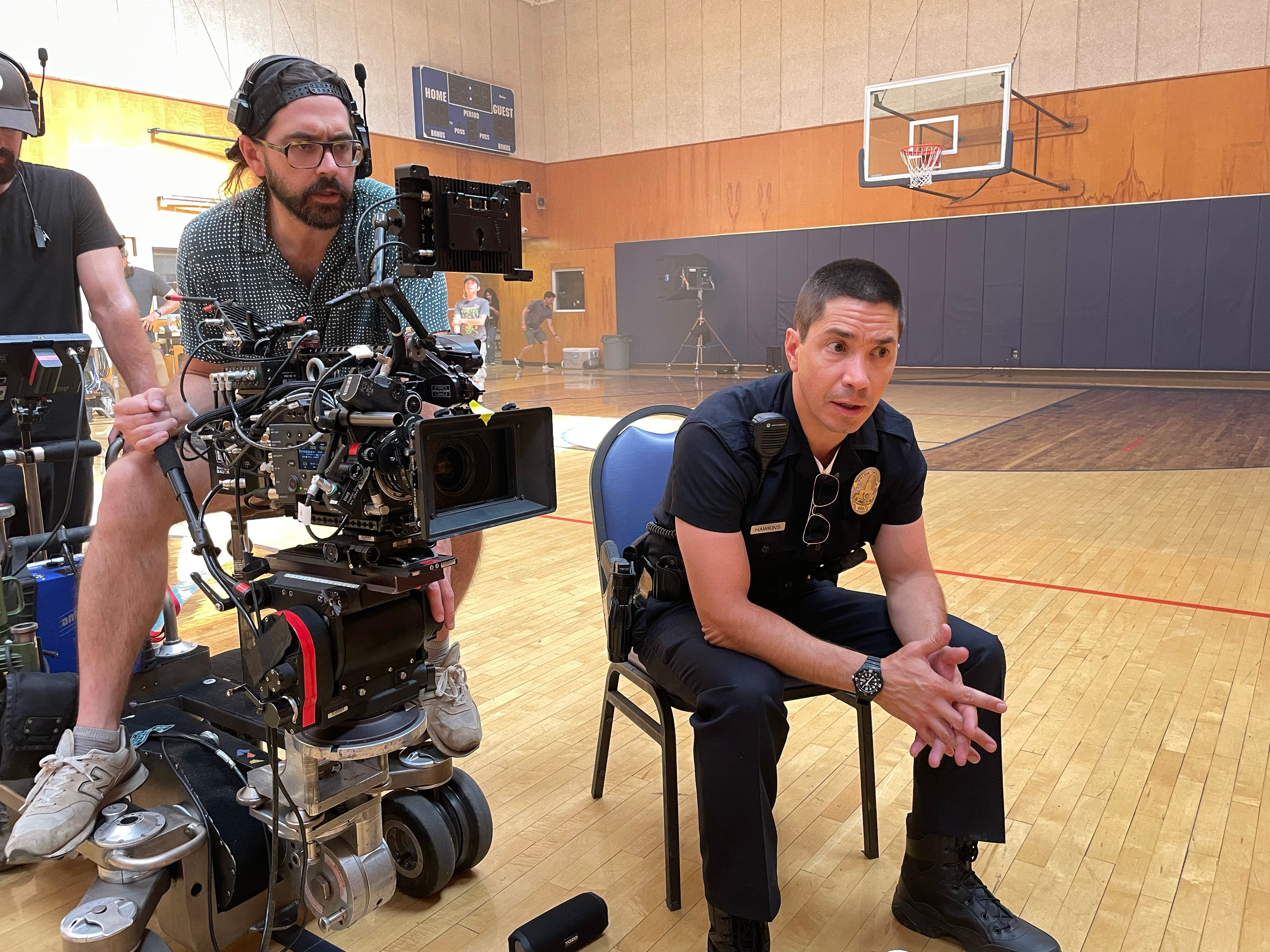
For his recent narrative project, Kitchens once again joined Prows to lens Night Patrol. Part cop drama, part vampire horror, the film blends multiple genres to create a trippy adventure of revenge across Los Angeles. Using the Sony VENICE, Kitchens captured the entire film in 16 days, heavily relying on the VENICE Extension System, also known as the RIALTO.
Sony Cine sat down with Kitchens to learn how he developed the gritty look for Night Patrol, what it took to shoot the film in 16 days, and how the VENICE became a critical part of his creative toolkit.
Bringing Genre to LA’s Street
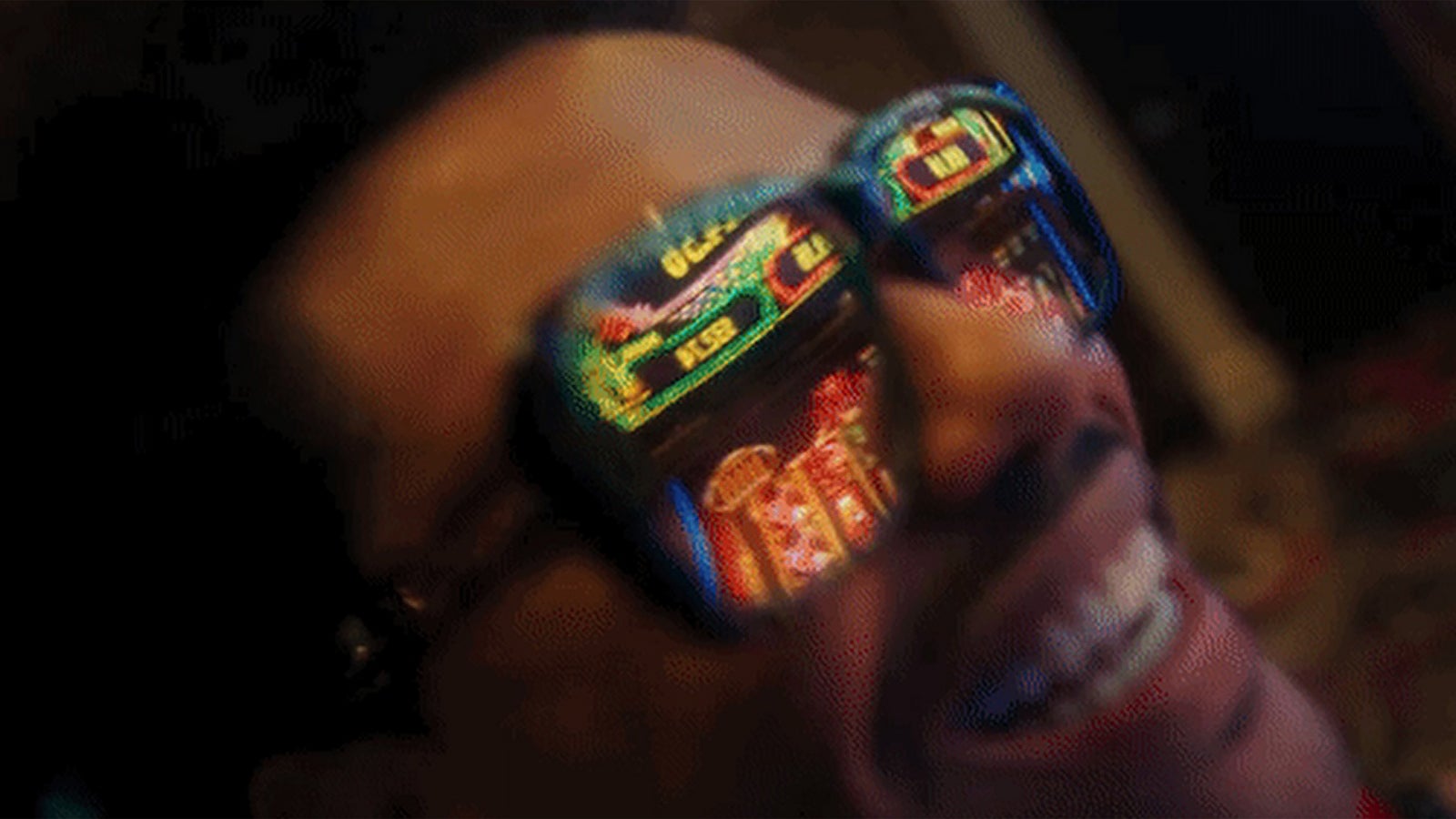
Starring Justin Long and Jermaine Fowler, Night Patrol follows two cops vying for a spot on the titular task force that stalks the evening streets of Los Angeles. A film 10 years in the making, the story blends a police thriller with vampire horror, wrapping it in a gritty visual style that aims for authenticity.
“Night Patrol was a movie that I had been involved with from the beginning,” Kitchens said. “Ryan does a lot of crime and thrillers, things that have less popularly filmed characters, so pretty much everything he's ever done has focused on subculture in one way or another, and that's always been super interesting to me.”
Having lived with the story for a decade, Kitchens and Prows had a long list of references and prep materials to draw on. To find the film's look, the duo drew inspiration from crime and genre B movies.
“I watched a lot of genre movies, just in preparation, both separately from Ryan and a little bit with him. Personally, I find that most of my inspiration for any project doesn't necessarily come from a one-on-one correlation,” Kitchens explained. “But we definitely watched a lot of cop movies for this. We talked a lot about exploitation and all of these genre B movies that have existed and do exist. And also like the crook, cop, crime stuff.”
"And it’s a funny movie too. The script is meant to have some levity and fun. Depending on what seat you're in, it's horrifying, but it's a weird film,” Kitchens added. “We both really like Blue-Tongue Films, and we like Nash Edgerton's work. He’s got very violent, funny stuff that's very much in line with what Ryan likes.”
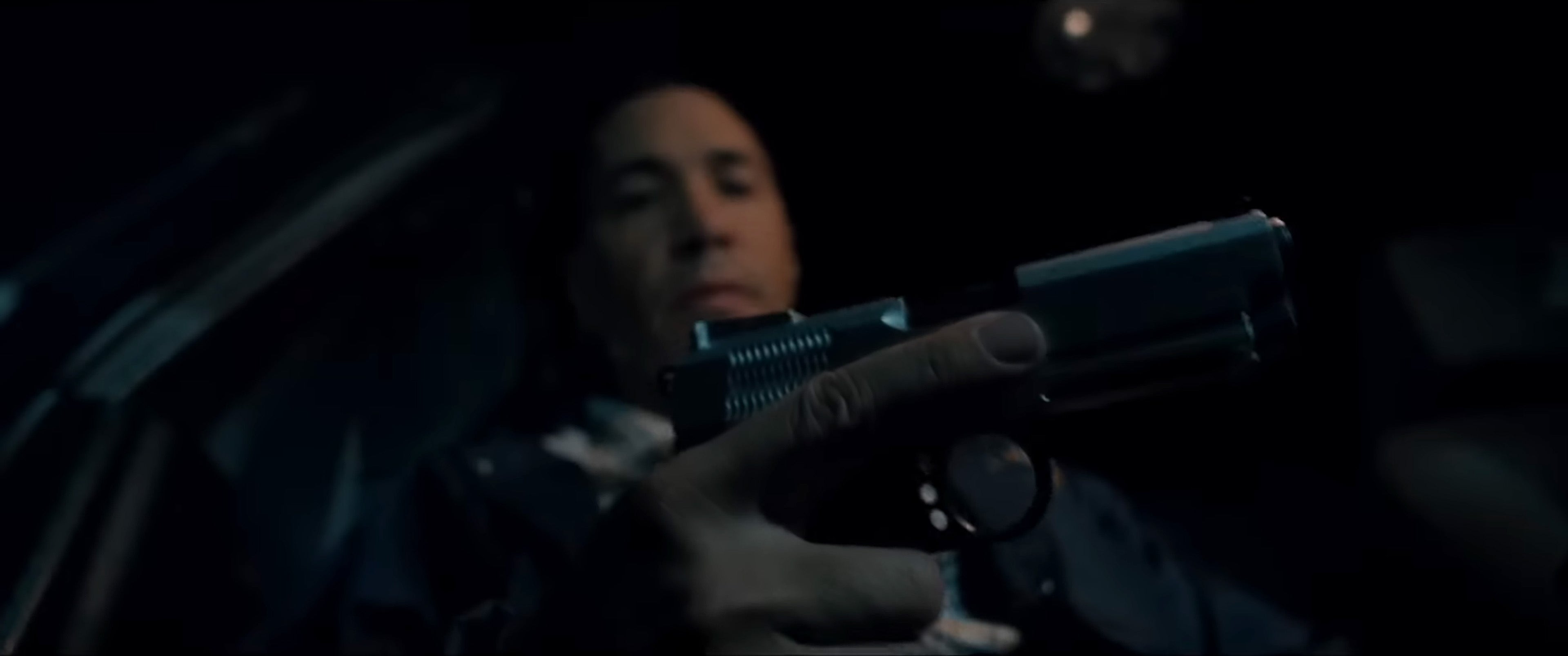
With an ensemble cast, making every story distinct became a challenge that Kitchens tackled with lighting and lenses. The intensity of a flashlight during a traffic stop and the lights of a police car in the rearview mirror set the foundation for how Kitchens would handle light throughout the film and its many characters.
“Some of these challenges we tried to combat from a visual standpoint, trying to build out worlds for each of these characters to live in,” Kitchens explained. “What I tried to do was create a difference between the world of the cops, the world of the humans, and inside of the world of the humans, I tried to differentiate the generational divide between mother and son.”
“My goal is to present the characters in a super authentic way and to think about what each of the moments in the film means to the character while they're in it.
With such a short shooting schedule, the production set up base camp at a housing project in Pacoima, a neighborhood in northern Los Angeles, with nearly every location within walking distance. This central location set the stage for a pivotal scene in the finale, but also gave Kitchens a perspective that would go on to further inspire his lighting setups.
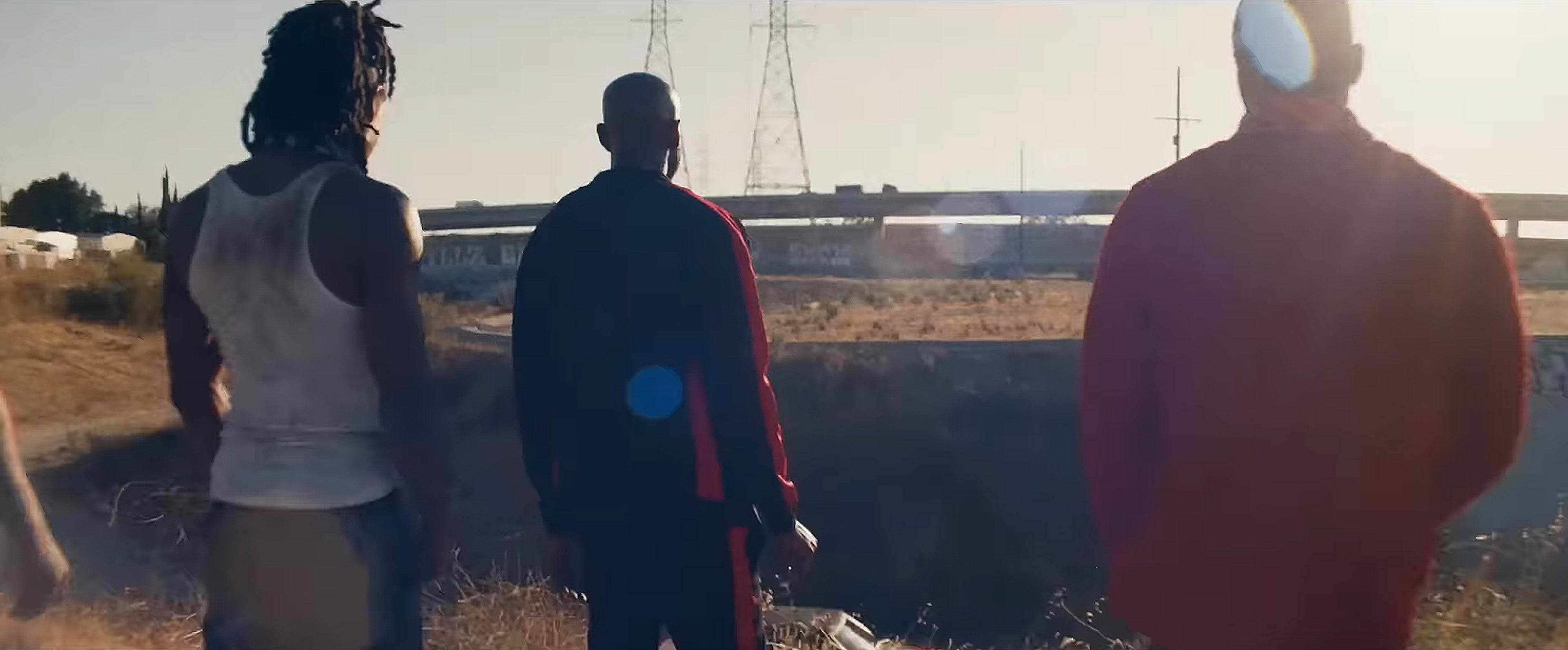
“[Night Patrol] is a vampire movie, and there's a lot of vampire lore about sunlight killing vampires,” Kitchens said. “And this is a movie where sunlight does not kill vampires. So we talked a lot about the fact that there's nowhere to hide in some of these places where people are living. If you go into the projects, there are cameras everywhere, lights that are shining both on the courts and also into the houses. There's just nowhere to hide, and there's no privacy. It feels like it's an assault of light.”
“So light was a super important character in the film. All the sunlight choices, a lot of front light that I was going for, were about not being able to hide,” Kitchens added. “I didn't try to make this movie look very pretty. For people, there’s not a lot of beauty lighting, but I did want the lighting to be felt.”
To stay efficient, this central location in Pacoima was lit from the roofs of the different buildings, either with existing lighting or with light set up by Kitchens and his gaffer, Josh Atkins. In the end, it became a creative choice as much as a necessity, setting the stage for the environment and showcasing the oppression of the Night Patrol unit.
“The lighting was meant to be enhanced realism. We wanted the audience to feel that uncomfortableness in a lot of these exterior locations,” Kitchens said. “Even when you're inside these houses, I wanted the audience to feel like the light coming in felt like you can't quite get away from it.”
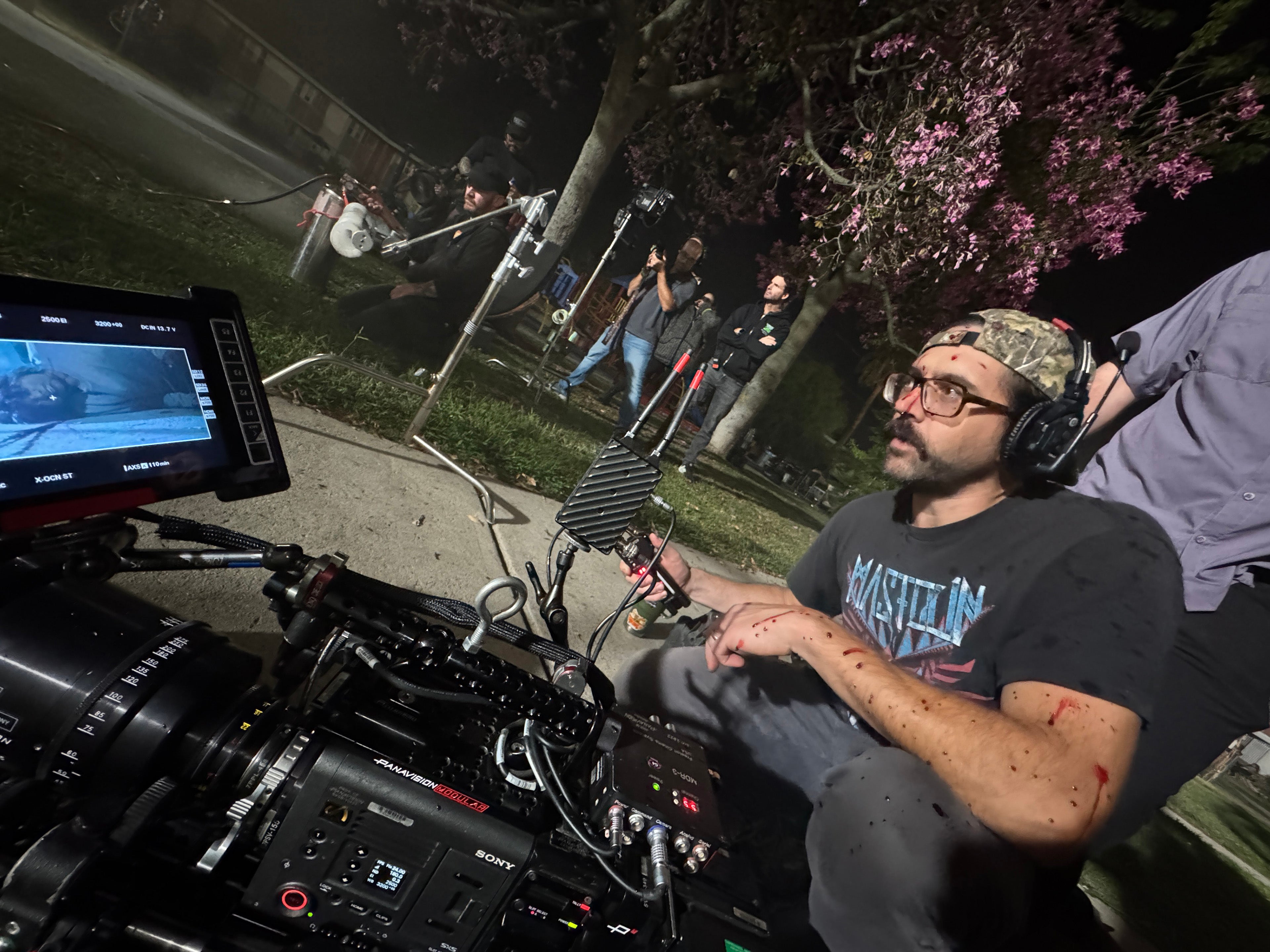
Capturing Night Patrol on the Sony VENICE
Initially, Kitchens and Prows wanted to shoot the film on 16mm film. But with limited time and budget, Kitchens relied on a system that was not only reliable in a fast-paced production but also enabled him to achieve the grittiness he was seeking.
“On Night Patrol, I carried a VENICE as the A camera, and then a RIALTO as the B camera, because I was often using it in the umbilical mode for certain things,” Kitchens said. “I was very comfortable on the VENICE. I'd shot my last movie on it, and I really enjoyed working with it all the way through post.”
"I really liked its performance at night, and I was interested in pushing the sensor really hard. We wanted to get something that felt a little bit more in the film zone. That's the look that Ryan wanted and the aesthetic of the film. And [on Night Patrol] we pushed it even harder than the last movie that I had done.”
Kitchens is a creative interested in making digital sensors perform like traditional film. By approaching the VENICE as if he were shooting film stock, the cinematographer found a specific range within the shadows when shooting at ISO 2500.
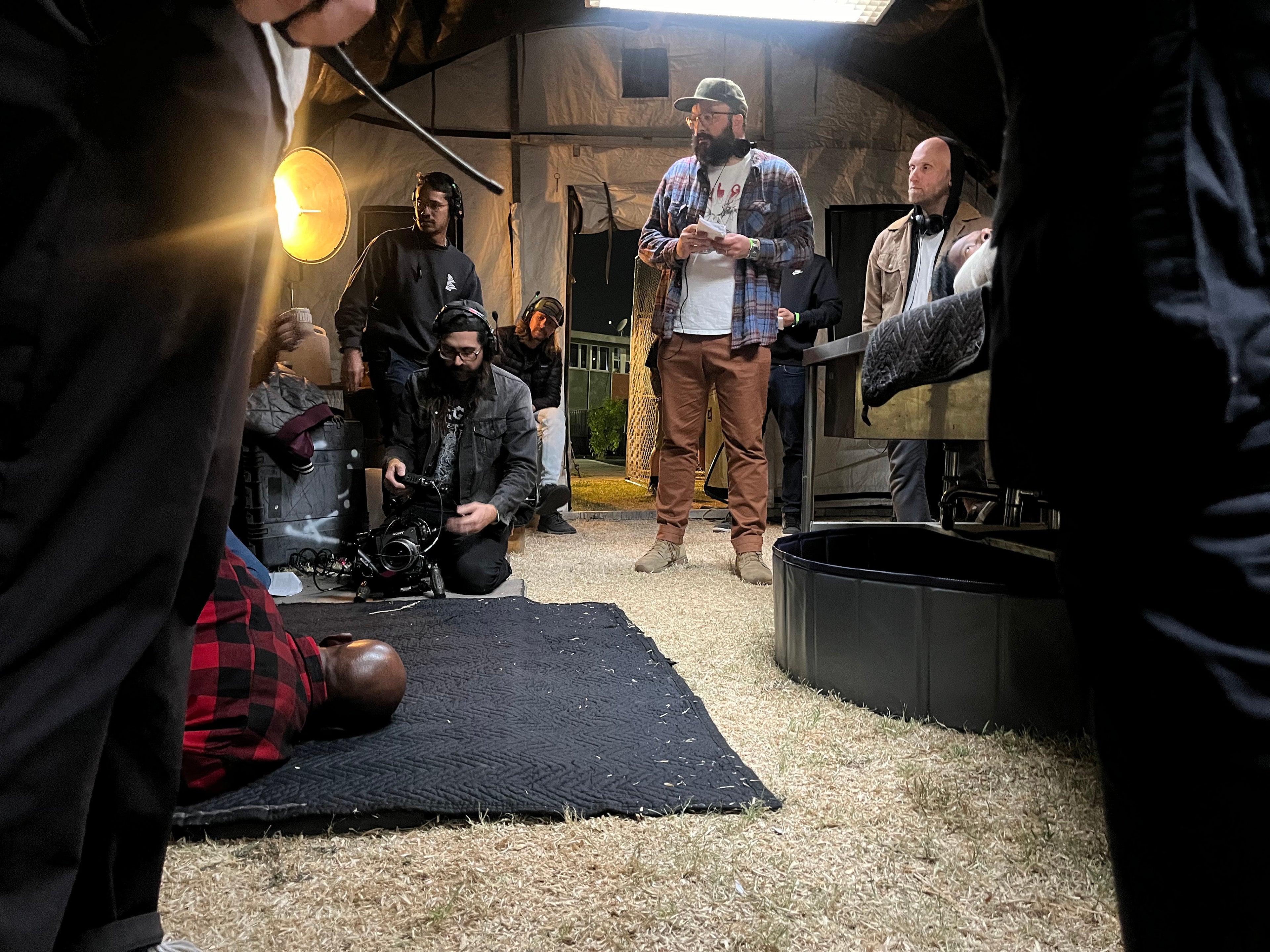
“I shot at ISO 2500, partially knowing I was going to retain the highlight detail, and also I wanted to get as much digital noise as I could,” Kitchens said. “It's really hard to make that sensor get nasty on the low end, but when you hit the edge of it, in the bottom before you hit the toe, there’s this place where it gets milked out before it's just gone, and you can't do anything with it. It's like a quarter stop.”
“I was always riding this place where I tried to keep the bottom of my curve right there at the bottom where it was going to disappear — like, there's no information there anymore — which is really tough to do on the [VENICE]. And then there's so much right there in the bottom of the toe that has a lot of unique color separation.”
Find the Perfect Lens for the Right Character
Going even further, Kitchens paired a different set of lenses for each set of characters. From vintage glass to sharp modern optics, the goal was to ensure color and contrast remained true to the story he and Prows wanted to tell.
“So I shot on a mix of different lenses. I shot on Baltars, and then I shot on Zeiss Super Speeds, but I shot them at a T/2.8 where they're very sharp and very contrasty,” Kitchens said. “The Baltars were a mix of stops [as] these were the original ones and then I was mixing in some 14mm and 12mm lenses that were rectilinear but from different sets.”
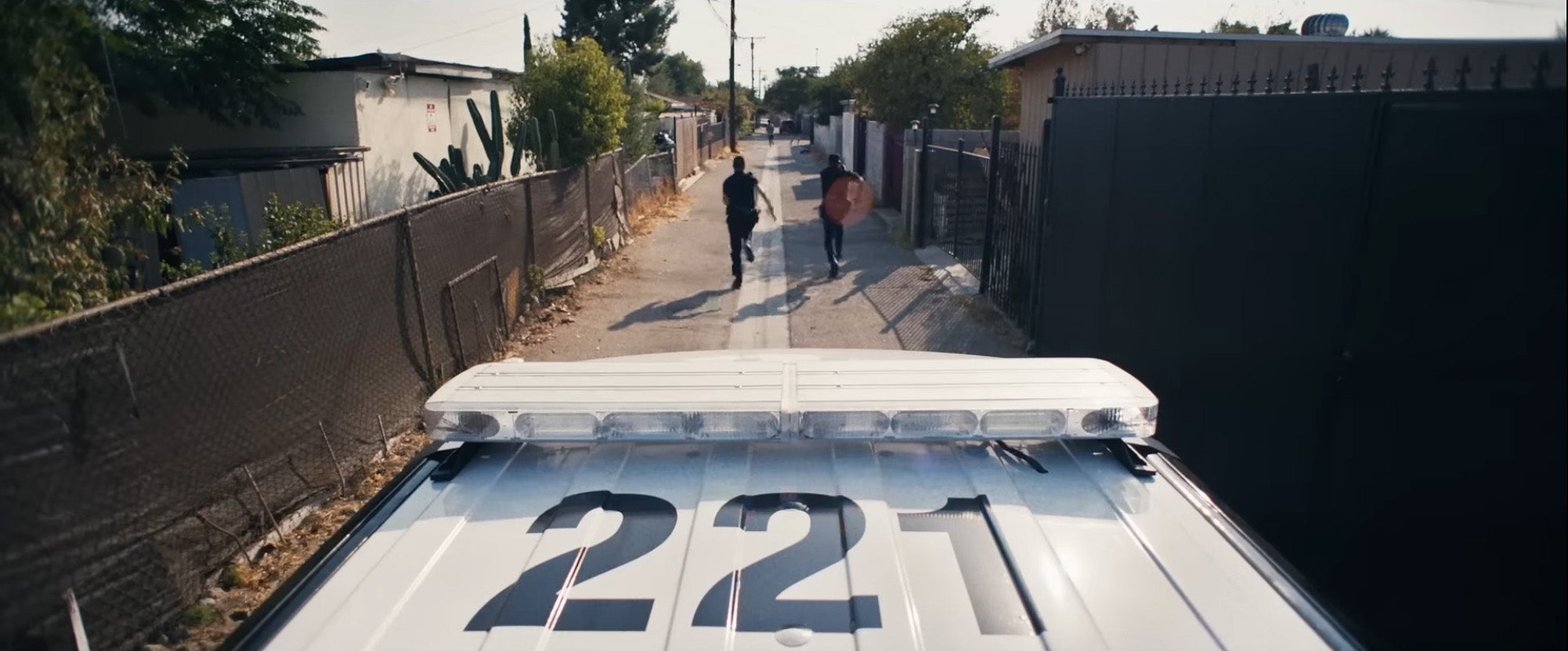
“And then I also used an older Cooke zoom for the humans and some Panavision Primo lenses for the cops. I used zooms a lot in the movie; they’re mostly hidden, but there's a decent amount of zooming that happens in the film.”
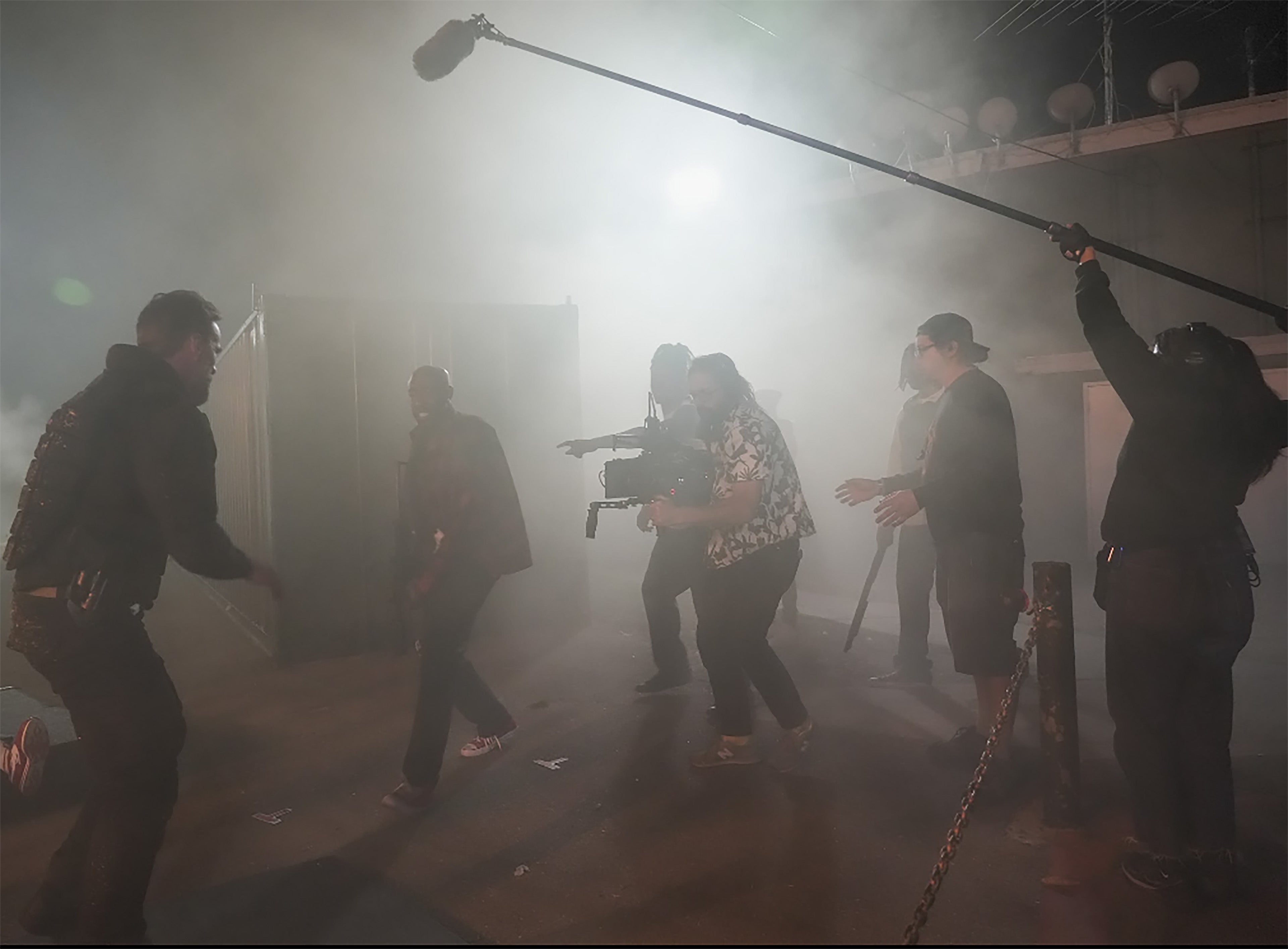
Each lens set was paired with different groups of characters, tying in their creative look with the different story arcs each character experienced. Kitchens then leaned on the VENICE Extension System to give himself the ability to switch from a studio build to a small handheld unit. This let the creative team explore tight spaces and unique compositions without the need for a second camera body.
“The RIALTO was an incredible tool to use that was crucial for us in many, many scenes on this film,” Kitchens said. “A lot of the car mounts we did were RIALTO, we did some bike mounts, and we did some scenes where I had to be on the ground and be able to move the camera in ways that didn't feel like a cinema camera."
“Then we had locations that were just like seven by five rooms with two characters and me in there, so there were times when, just for space, I went to the RIALTO.”
What You Can Achieve With the Right Creative Partner
After so many years working together, Kitchens and Prows have a rapport that allows for creative freedom. But to capture a feature film in 16 days, Kitchens also needed consistent images. For this, he needed creative partners who were at the top of their game, whether they were part of his crew or part of his toolkit.
“From an artistic standpoint, something that I think is really important is, the scientific part of my job and the technician part of my job, is about consistency,” Kitchens said. “I want to make sure that when I put an image up, I know where everything's going to sit. I chose [the VENICE] because I knew that it would do what I wanted it to do.”
“I think, from an engineering standpoint, the camera is kind of too good. You can scale the camera to so many different approaches. I’ve used the camera to shoot with almost nothing, and I've used the camera to shoot luscious, rich, textured images.”
“I also had an incredible crew because I was in LA,” Kitchens added. “I had people that had no business working on this movie coming out and working for me, which was also how I made this movie in 16 days.”
Catch Night Patrol streaming now on AMC+ to see Kitchens work on screen. To learn more about the Sony VENICE and the other cameras in the Sony Cinema Line, visit our Camera Comparison Chart.