02-03-2026 - Filmmaker Interviews
Sony FX6 & DP Andrew Aiello Fuse Dance and Color for “Strong Torso”
By: Yaroslav Altunin
Popularized by Fred Astaire & Ginger Rogers in the 1930s, the dance film has ebbed and flowed throughout the visual medium, appearing in both feature films and musicals. But with social media, dancers and choreographers have found new outlets for their creativity.
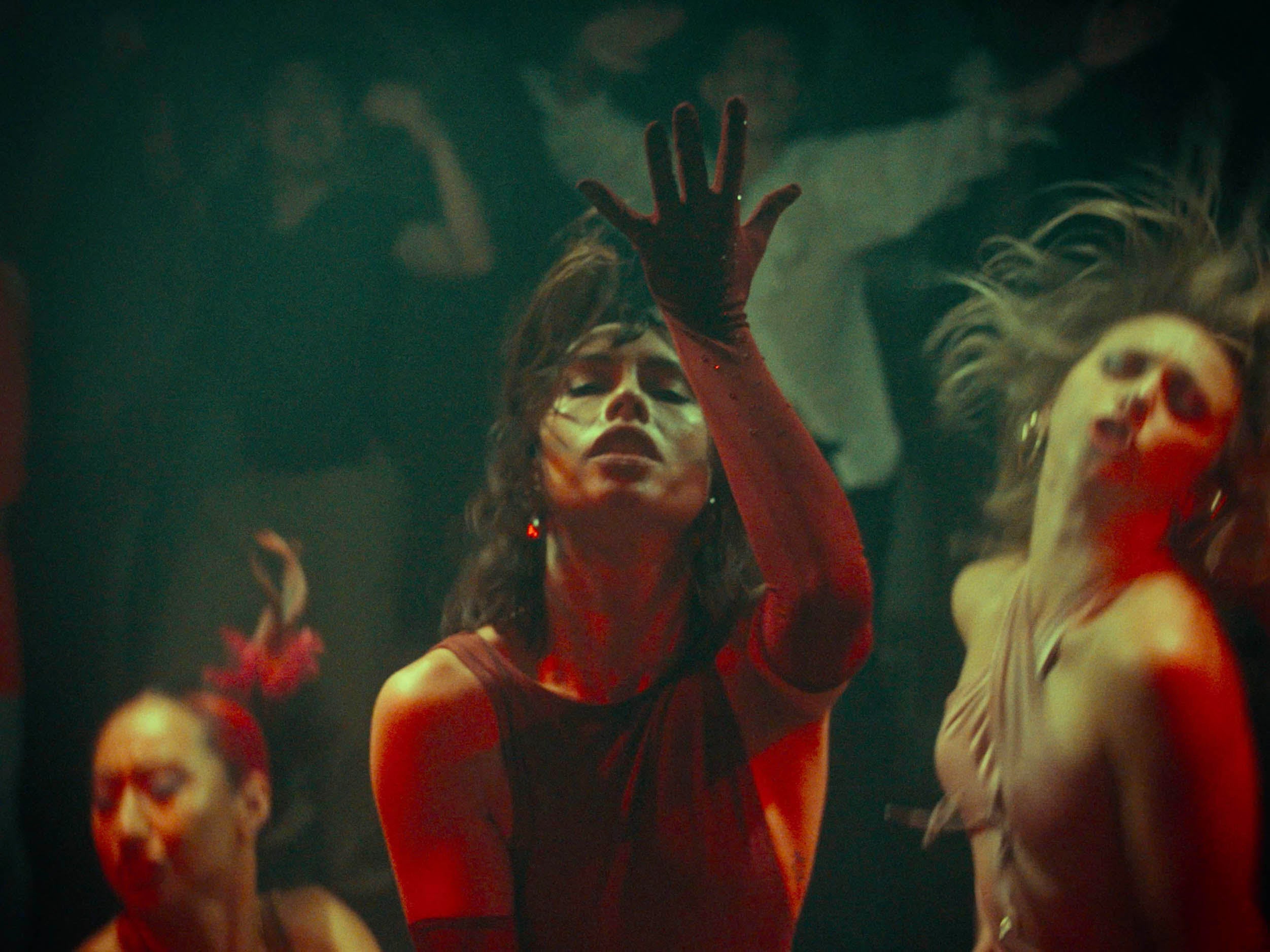
Strong Torso is one such project, a dance film directed and choreographed by multi-hyphenate PENNYWILD, whose credits include the choreography for Zedd’s music video Inside Out and the first season of Ryan Murphy’s Feud. Partnering with cinematographer Andrew Aiello, the dance film smashes together color and movement to create a vibrant and intense piece of music and color.
Sony Cine sat down with Aiello to learn more about how the project came to life, how they discovered the colors that fueled the visual language, and how the Sony FX6 was the perfect camera to capture it all.
How Red and Green Gave Strong Torso Life
Strong Torso isn’t a project with a distribution plan. It wasn’t crafted with a pitch to a studio or workshopped in a room. It’s a creative opportunity born from the meeting of director and choreographer Pennywild, Aiello, and Steadicam operator Nicholas Kramer.
“It was really just people meeting and being like, ‘Hey, we want to be creative.’ Penny wants to direct more — she choreographs for a lot of music videos — and so this was really an opportunity for us to work together. But also, to just explore dance and the camera, and the intersection of the two, which is really fun.”
A low-budget project, Strong Torso was shot over the course of an eight-hour day in a basement wine bar in Atwater Village, using music from the song "Life" by Jamie XX & Robyn, from which the project also takes its name. It was here that Aiello faced his first challenge. With a small crew and limited lighting, the cinematographer and Pennywild searched for ways to make the choreography thrive in the frame.
“When you're on a low-budget [project], you have to adapt,” Aiello said. “We were shooting in a very small location, didn’t have a lot of time, and we had a very small crew. So we had to figure out how to maximize our creativity given those limitations.”
“And I didn't have a whole lot of lights. I had a dot that I flew above the camera occasionally, a handful of tubes, and then we relied on what was at location.”
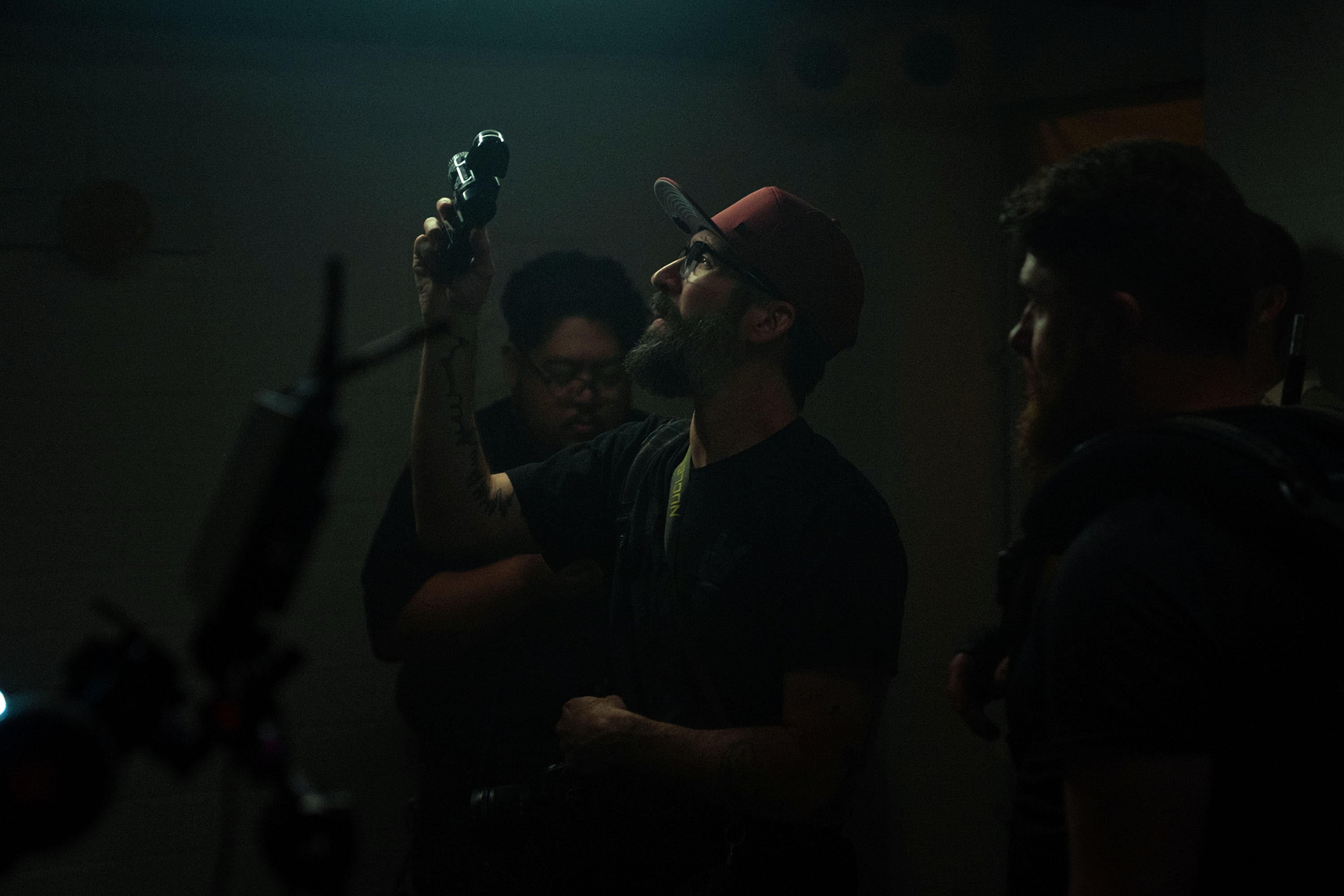
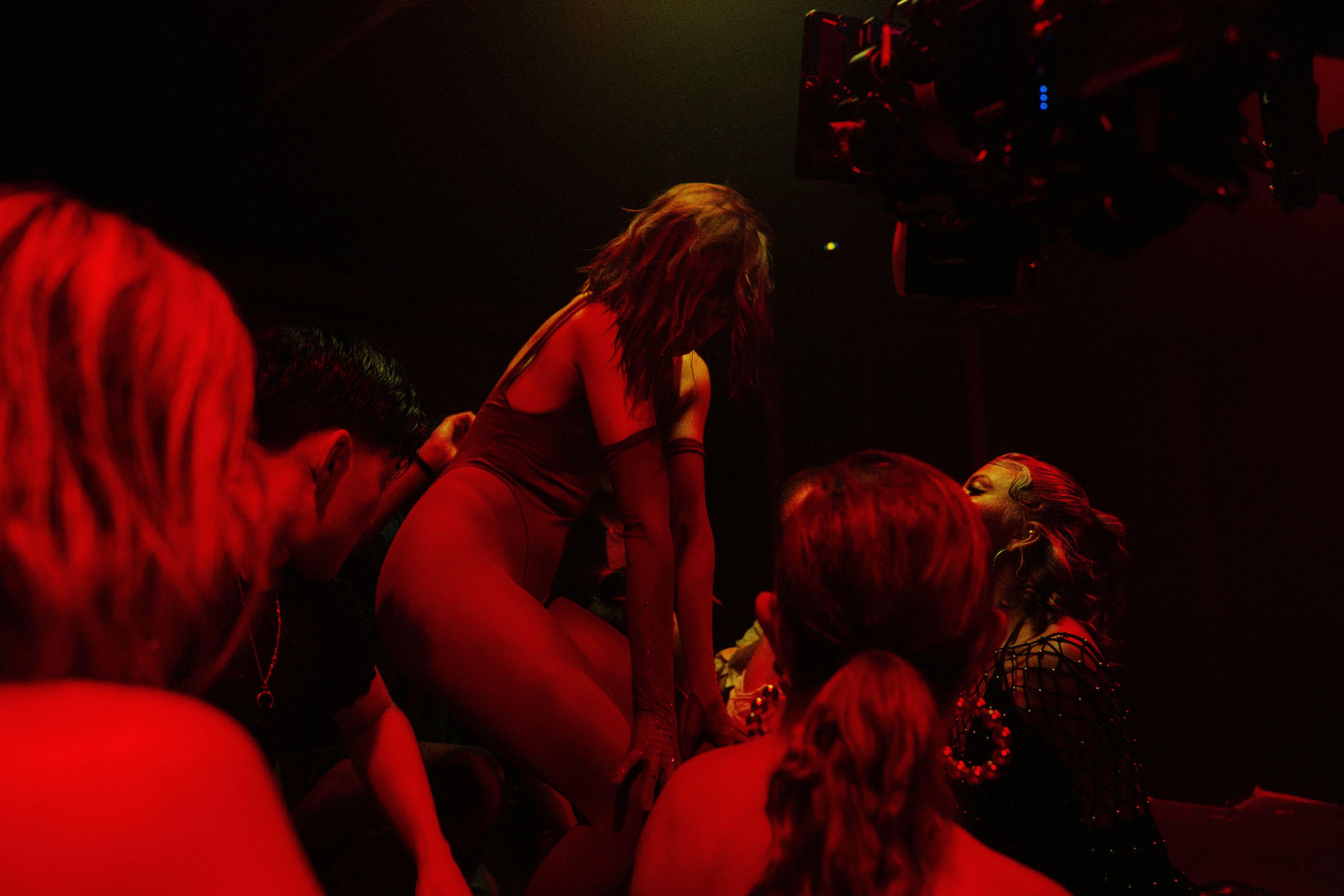
It was here that they discovered the first piece of the visual language for Strong Torso. “The bar on location had a very dark and dimly lit space, with a lot of red practicals.” Aiello said. “And, since we wanted the space to have a vibe worthy of the choreography, we leaned into this color palette to accentuate the sultriness and sexiness of the piece.”
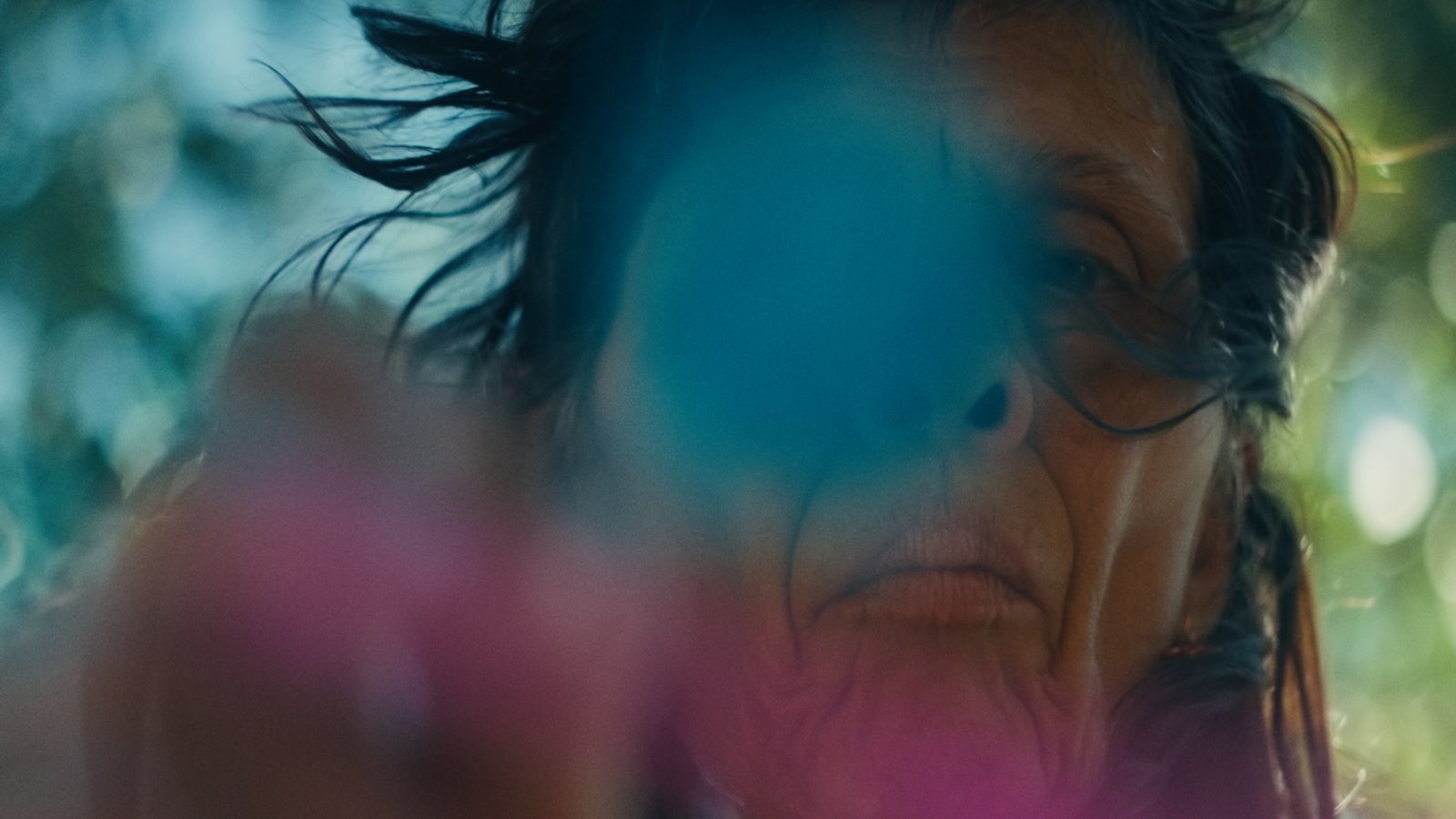
“To create some separation and contrast on set, we added white backlights and accents, even skewing more fluorescent from a color standpoint. And then that was pushed later in color, Aiello continued. “My colorist J. Cody Baker, who's brilliant, constantly surprises me with how he's willing to push things creatively.”
It was this push in post where Aiello discovered the second piece: a contrasting color pushed to the edge of what his camera could capture.
“We just got to this point where he pushed the green so far, like really to the edge of what was there information-wise, before it started to get muddy, and it just started to come to life for us in color,” Aiello said. “I think that the dance sequence with the strobing light, with how green and red it is, and the back and forth, just adds so much to it.”
“I just love the filmmaking process, all the way from prep through post. You are constantly discovering things and the project is always evolving.”
Why the Sony FX6 Was the Perfect Camera for Strong Torso
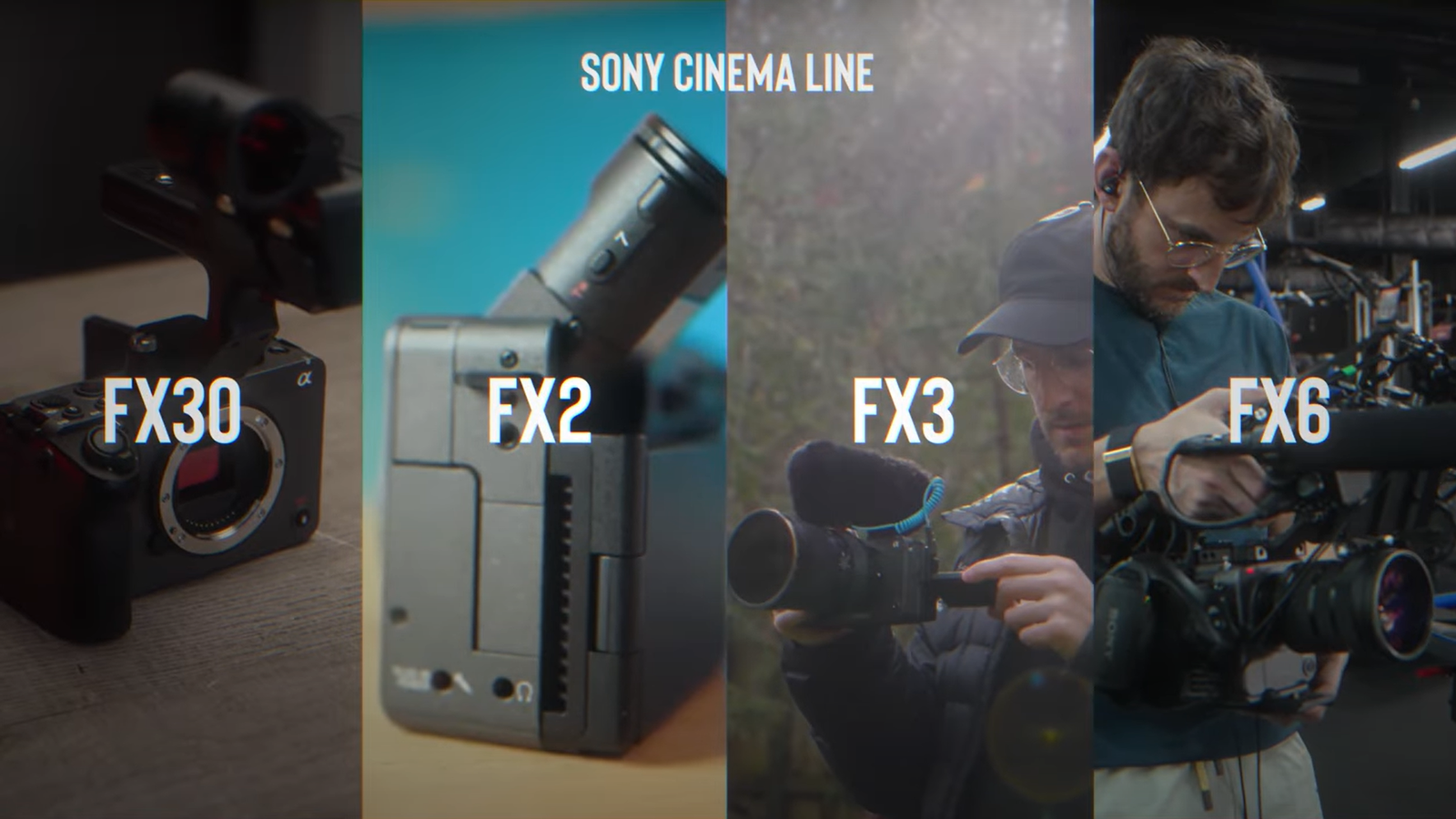
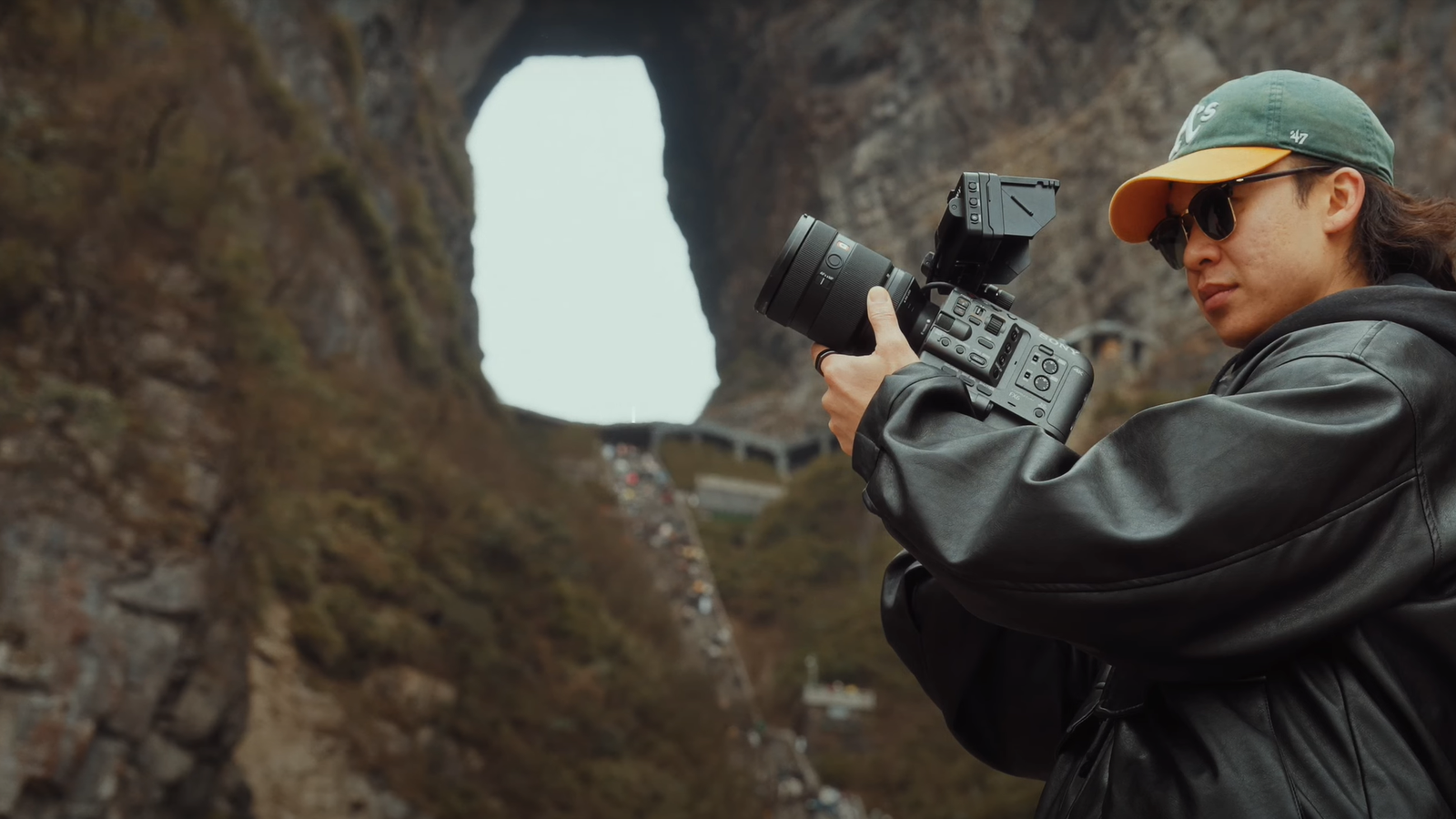
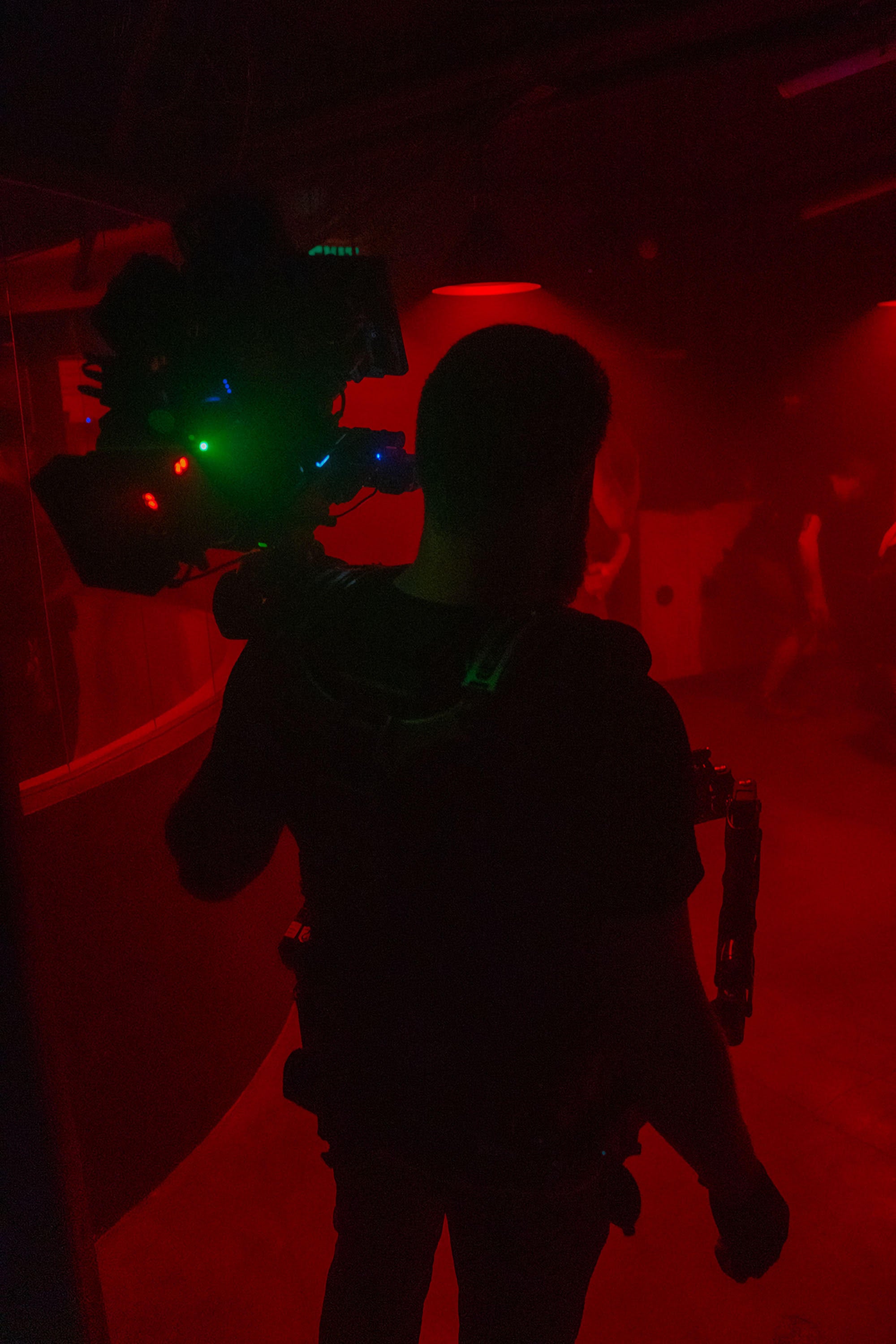
To capture the multiple scenes and repeated passes of the same choreography in one day, Aiello needed a camera that was compact, capable of capturing all of the color detail, robust enough to carry his vintage lens, yet still feature-rich to support his team. With the FX6, which Aiello first used on a doc to shoot recreations, the cinematographer found a tool to match his needs.
“When it came to this project, it was actually a multitude [of reasons to shoot with the FX6],” Aiello said. “I knew that were were going to move the camera a lot, but I also knew the location was tight and we only had roughly eight hours of shooting time, so I knew I needed a small camera with a zoom lens.”
“I was thinking about an FX3, but I wanted something I could accessorize a little easier when it came to focus/iris/zoom control, run/stop, and monitoring. And something a little more robust to handle the lens I had chosen. The FX6 made this an easier and more economic build,” Aiello continued. “And, since I knew we’d be shooting at the higher 12,800 ISO, the FX6’s internal NDs were a huge plus to give me the freedom to play with depth of field.”
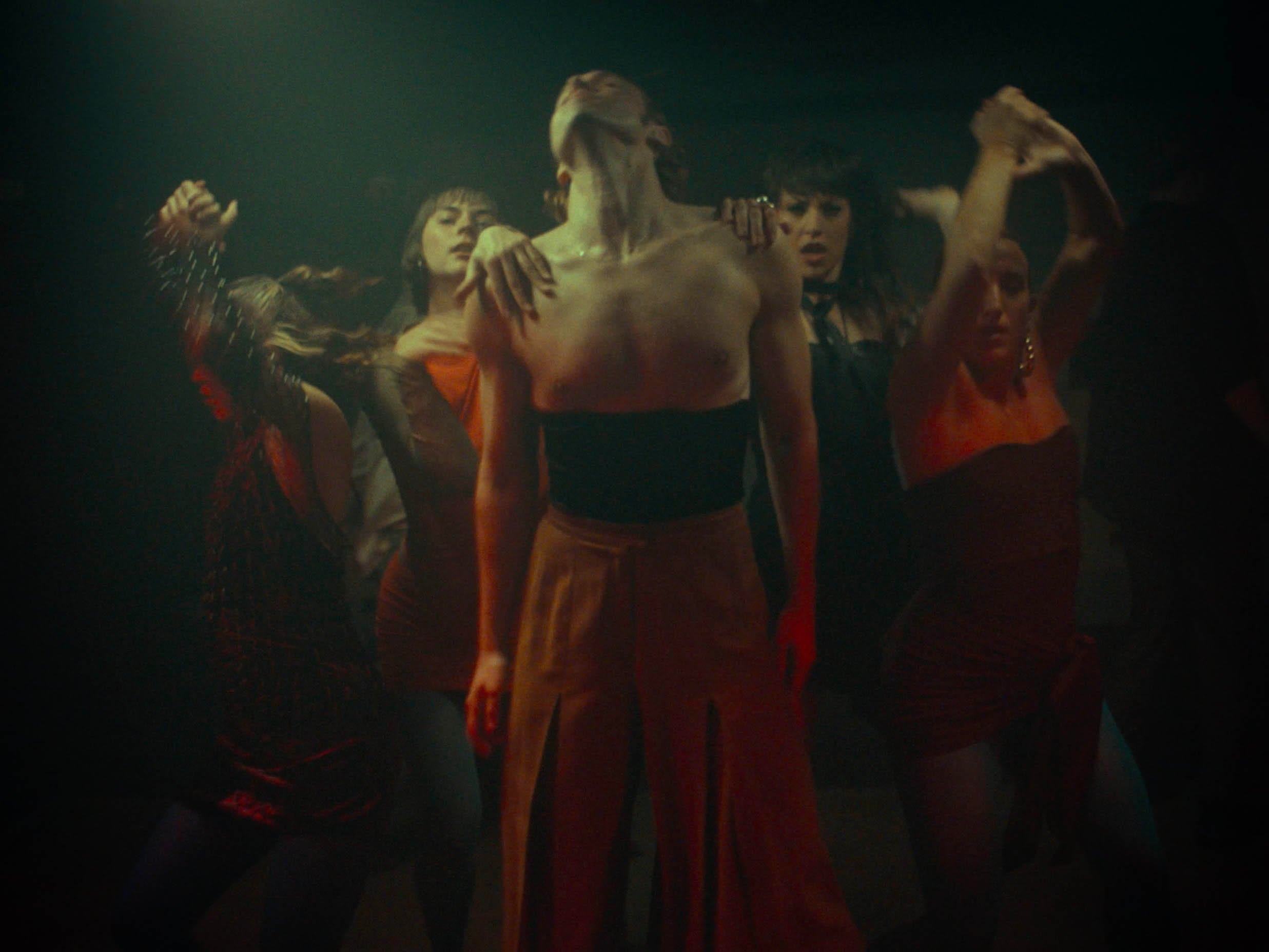
The entire video was shot at 4K 10 bit internal. And this was enough for Baker, his colorist, to confidently push the image to find that unique visual language that makes Strong Torso stand out so much.
The camera took away the technical hurdles and Aiello realized just how far he could push the FX6, giving him an appreciation for what it could do in such challenging circumstances.
“I don’t consider myself to be an incredibly technical person,” Aiello said. “So I’ve really grown to appreciate Sony sensors because I know I can trust them in a variety of circumstances.”
“Sometimes we don’t have the budget or resources to get the camera we think we need. But sometimes going smaller can actually inspire you to push your image further, and I hope this video gives people the confidence to do so on their own projects.”
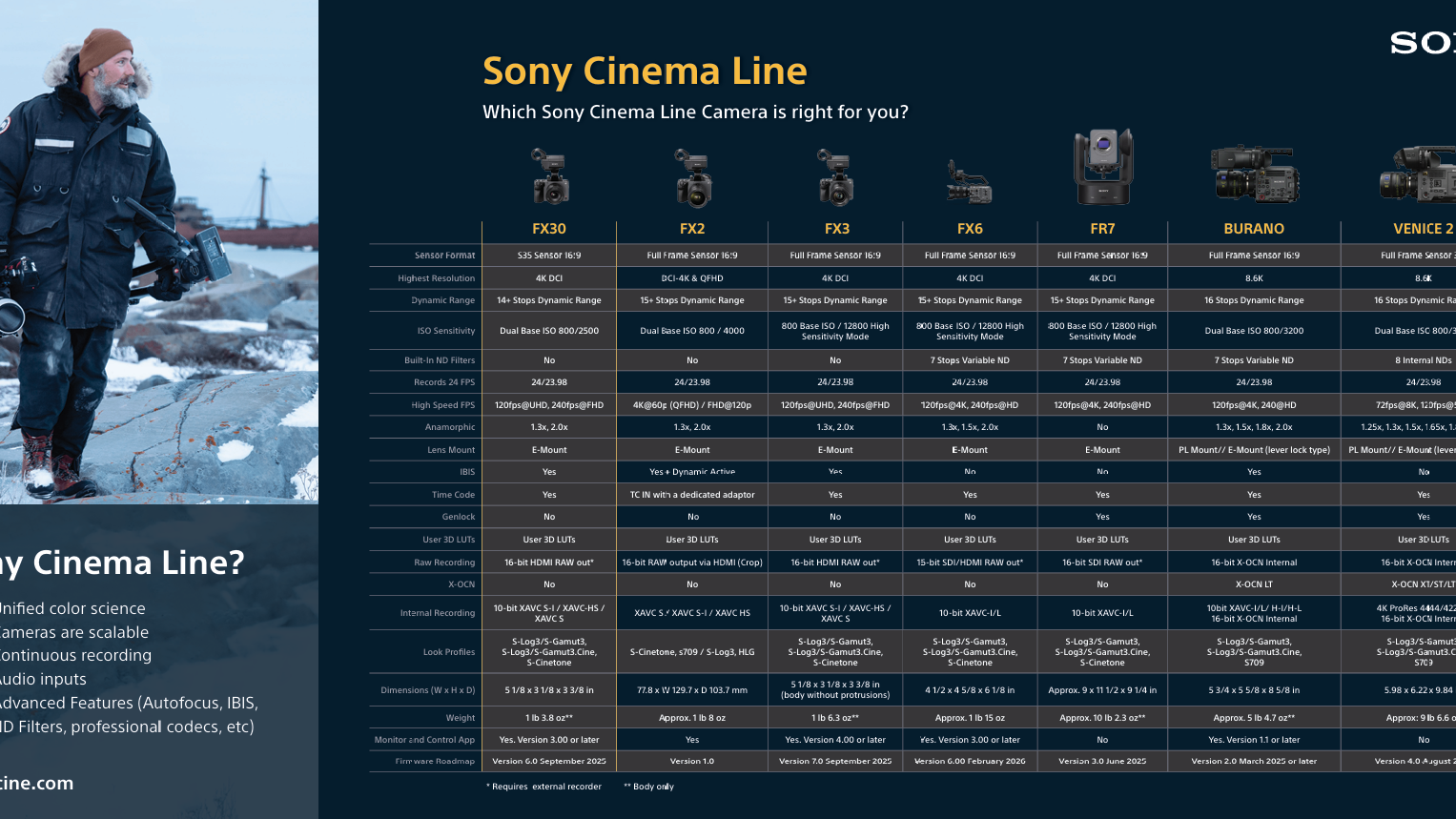
To learn more about the Sony FX6 or the other cameras in the Sony Cinema Line, visit our Camera Comparison Chart.