03-31-2026 - Filmmaker Interviews
“Seized”: How the FX6 Helped Capture a Sundance Doc Over Two and a Half Years
By: Yaroslav Altunin
Depending on the subject, a documentary filmmaker may take years to capture all the necessary footage for a project. It is a medium of discovery, often shaped by moments that happen in real-time.
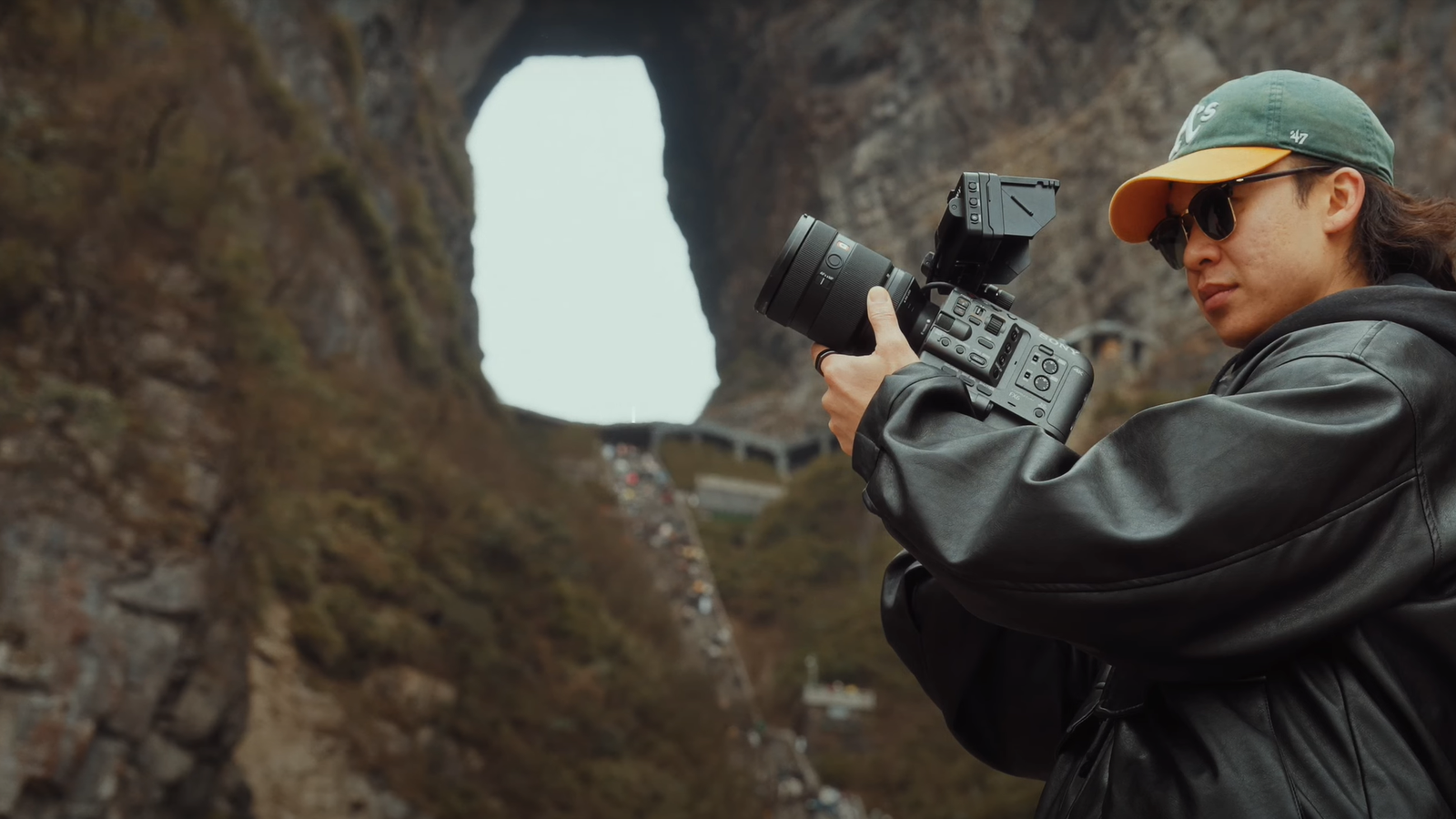
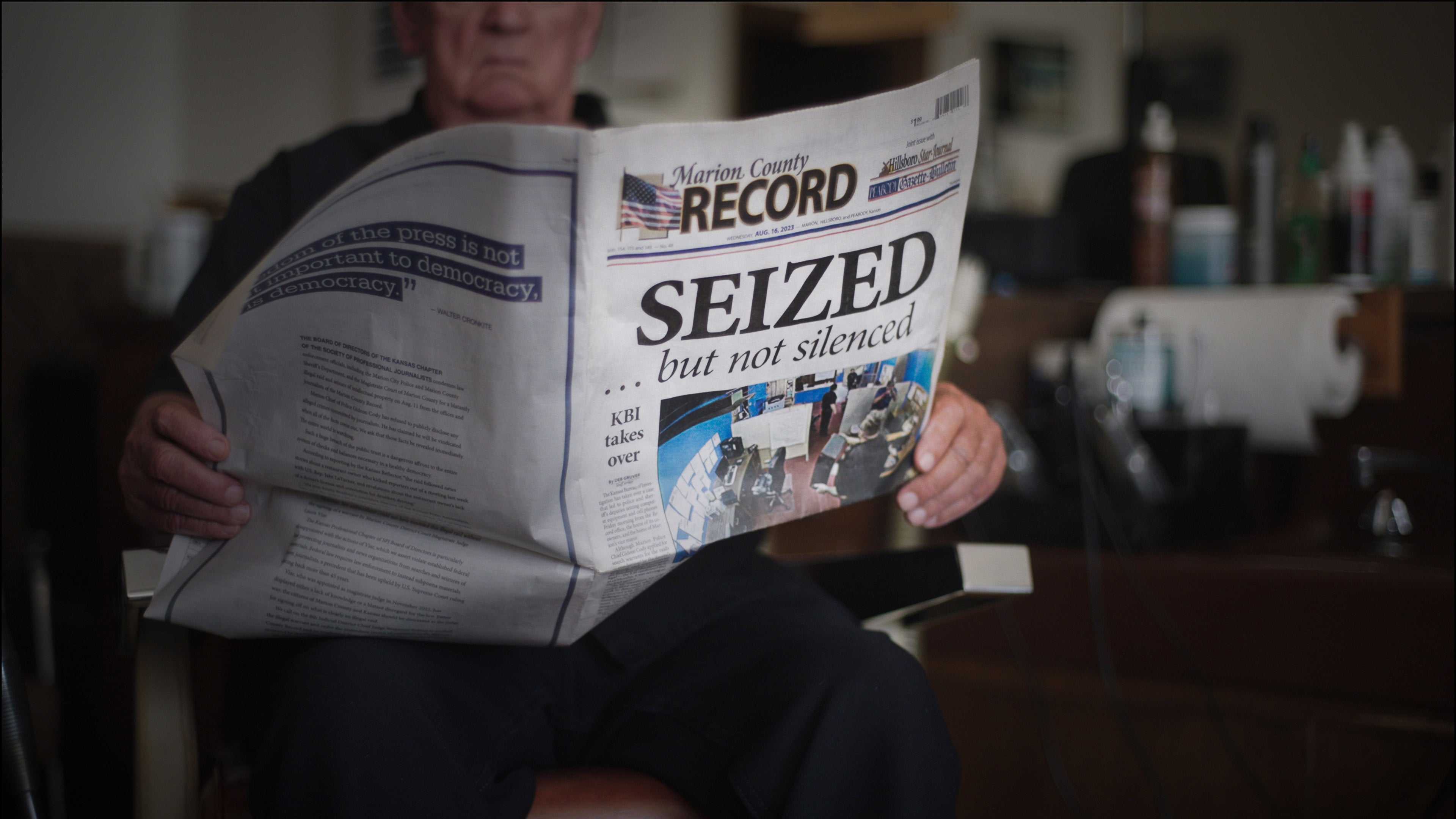
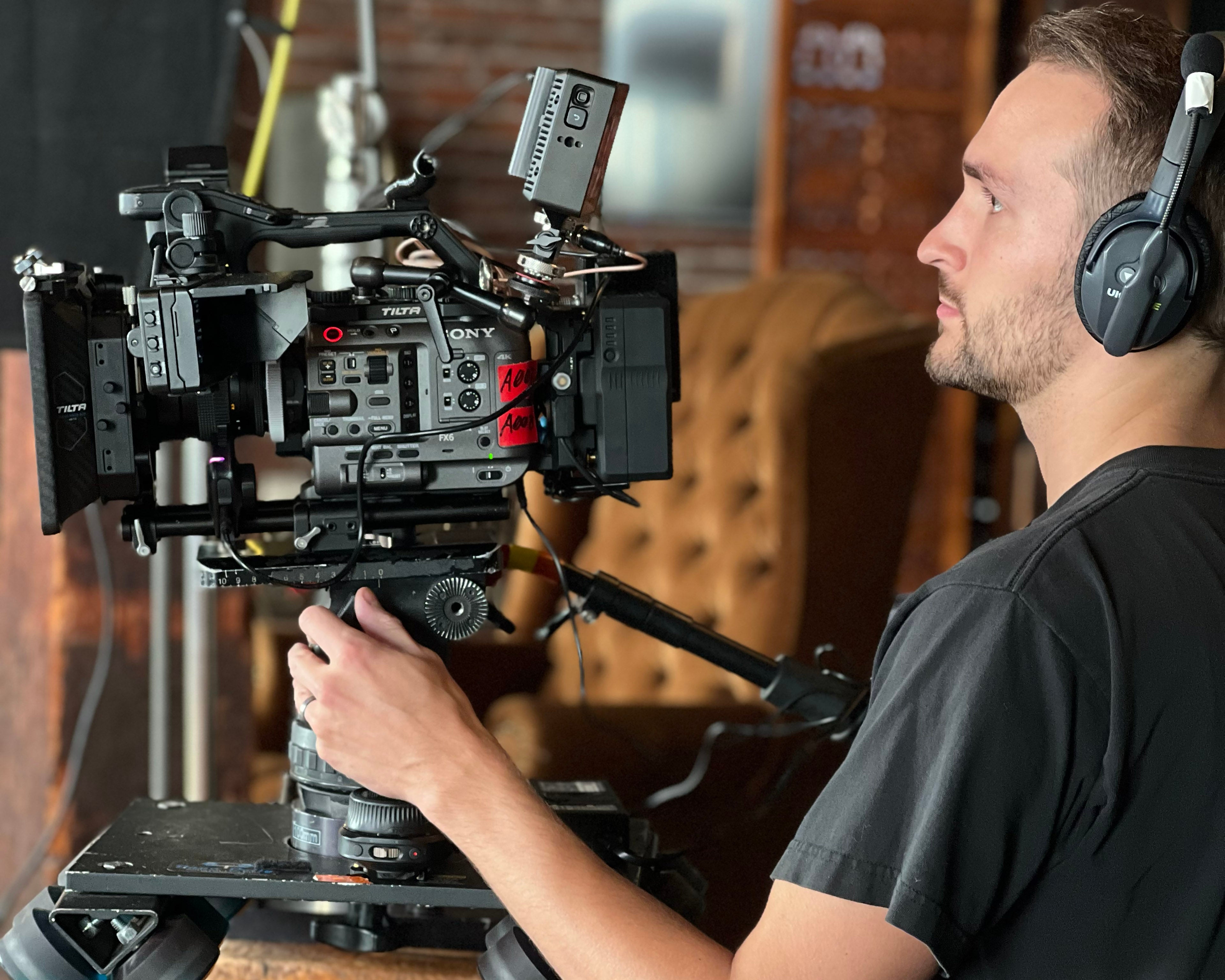
For director Sharon Liese, it took two and a half years to gather all the footage for Seized, a documentary about the 2023 police raid on the Marion County Record, a weekly newspaper published in Marion, Kansas. To help her in this endeavor, Liese brought on cinematographer Jackson Montemayor, a long-time collaborator who utilized the Sony FX6 to capture the nuances of the story.
Sony Cine sat down with Montemayor to explore how the project evolved over those two and a half years, how he used light and vintage lenses to frame his subjects, and how the FX6 gave him the creative versatility to hold onto his visual storytelling.
Documenting Real World Events
Montemayor’s creative partnership with Liese began early in his career, where he grew from intern to DP, learning from her and other collaborators in Kansas City and honing his craft in the art of documentary filmmaking.
“The first film that we did together, where I was her DP, was the short film called Parker, which is a 13-minute short film about a black family in Kansas City,” Montemayor said. “And that one got into Sundance. Our first trip together to Sundance.”
Six months after the premiere of Parker, Liese called upon Montemayor once again. The police raid on the Marion County Record had just happened, and the director needed to get on location right away.
“When she told me about it, I was just like, ‘This is insane. This is a crazy story. We have to get out there and start filming,’” Montemayor said. “So we went out there shortly afterwards, and we embedded ourselves into the community and tried to understand what was going on, to get a sense of everything, and document the fallout from what happened.”
"In a story like this, where this event happens so quickly, and there are so many things that you really don't know about the story, it at first can be hard to develop a visual language when you don't know everything yet,” Montemayor added. “You don't want to lock yourself into a look because something might come out about the story that changes your perspective or the way you want to approach it.”
“So at first, we just needed to get out there and start filming and covering a lot of things and learning about these characters and the story to get a feel for the environment out there.”
Developing a Visual Language for Seized
For Montemayor and Liese, the beginning of Seized was all about information gathering. Understanding the events that led to the raid, its impact on the community, and finding a foundation from which to build a style guide that would define the rest of the film.
"The first few months, a lot of it was shot in vérité, where we generally wanted the camera to feel like a participant in the story and with these characters,” Montemayor said. "Then after we had gotten a sense of what the story was about and who these people were, then we could put a little more intention behind our master interviews and how we want those to feel and how we want those to look, and maybe add a little nuance to the way that we want to approach our vérité moving forward.”
Trust is a critical component of documentaries such as Seized, not only between Montemayor and Liese, but also between them and the people of Marion, Kansas. It took nearly a year for the community to open up to the documentary crew to share both sides of the story that rocked the town of just over 1,800 people.
“There are a lot of big themes being explored in this story. The most surprising thing about working on this project was definitely the complexity. It was very much a divided story,” Montemayor said. “You're going to get a sense and a better understanding of why [the raid] happened and the events that led up to that. And we didn't get to see all that stuff for at least a year of filming.”
“It wasn't until we got an interview with the mayor of the town, who was not a fan of the newspaper, that everybody else was willing to have faith in our inclusive approach. Then we were able to talk to other people and get to learn about their experiences.”
The Right Documentary Camera To Capture the Complexity of Truth
To capture this complexity, he needed a camera he could trust, not only to keep up with him in difficult shooting scenarios, but also to give him the versatility to stay creative in the moment. As the story evolved, so did the film's visual language. Through light and vintage prime lenses, shaped the story of Seized, following its evolution as he and Liese built trust with the community.
“We really like shooting on primes, which can be difficult in documentary, but there's just something about working with a fixed focal length, it really encourages the camera to maneuver and engage with the environment in a way that reflects how we as people engage with our environment,” Montemayor explained. “If you want to see something better, you go walk over to it. If you need a better view of something, if you need context, you take a step back. If someone gets up and they walk over, you don't just pan, you have to go follow them, especially if they're talking or being engaged with the camera.”
“So it really gives a sense of presence for the audience in this world and with these characters. And we did shoot on zoom lenses in situations where we really needed that flexibility, but it was always under the guise that the camera was participating in this story.”
At first, Montemayor and Liese leaned into a vérité style to explore the world, and the form factor of the FX6 was crucial during these moments. Montemayor would often shoot the film’s subject for hours. But as the trust between the documentary crew and the community of Marion, Kansas developed, so did the interviews, lighting, and composition.
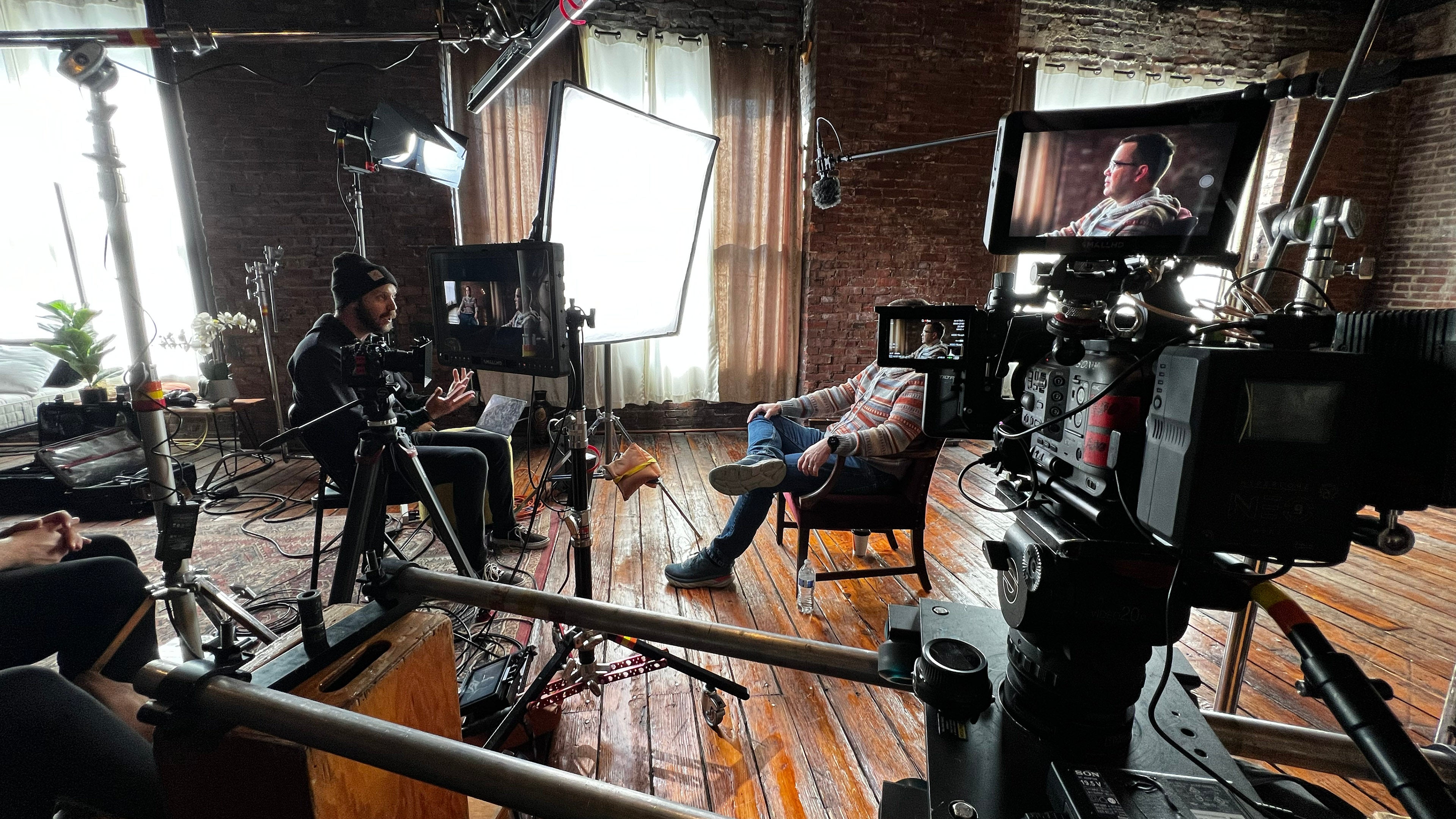
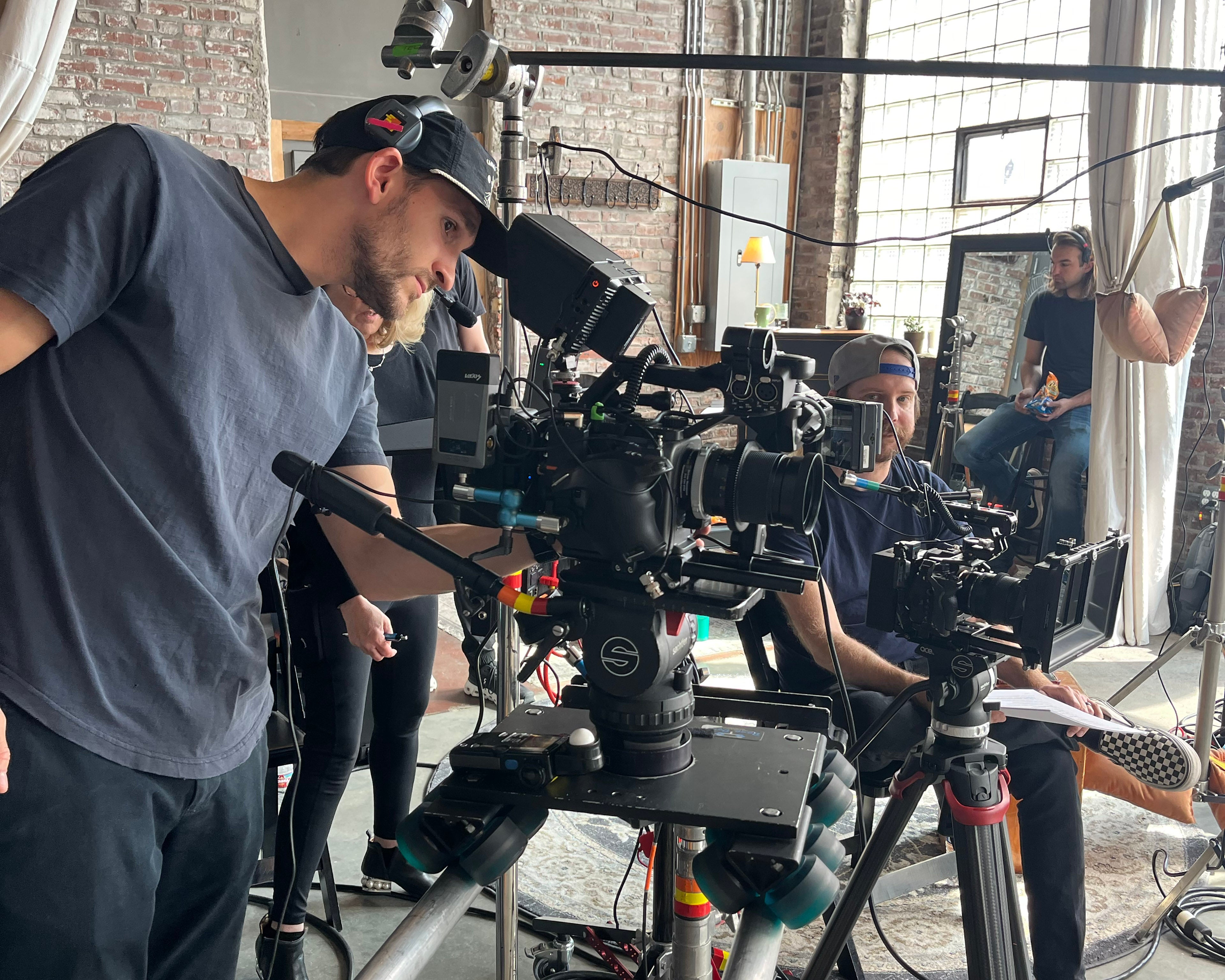
“The big thing that we really liked early on was establishing each interview with a big wide shot of these characters in an environment that is reflective of who they are as people. We wanted the world where they were existing in these interviews to be an extension of who they were,” Montemayor shared. “Then we would have a three-camera setup where we wanted to convey different tones as well. For example, in our master interviews with our main subject, Eric, we had one of our cameras higher up with a high angle looking down on him, just to kind of convey a little bit of this imbalance of power that he was dealing with when he was going through the raid.”
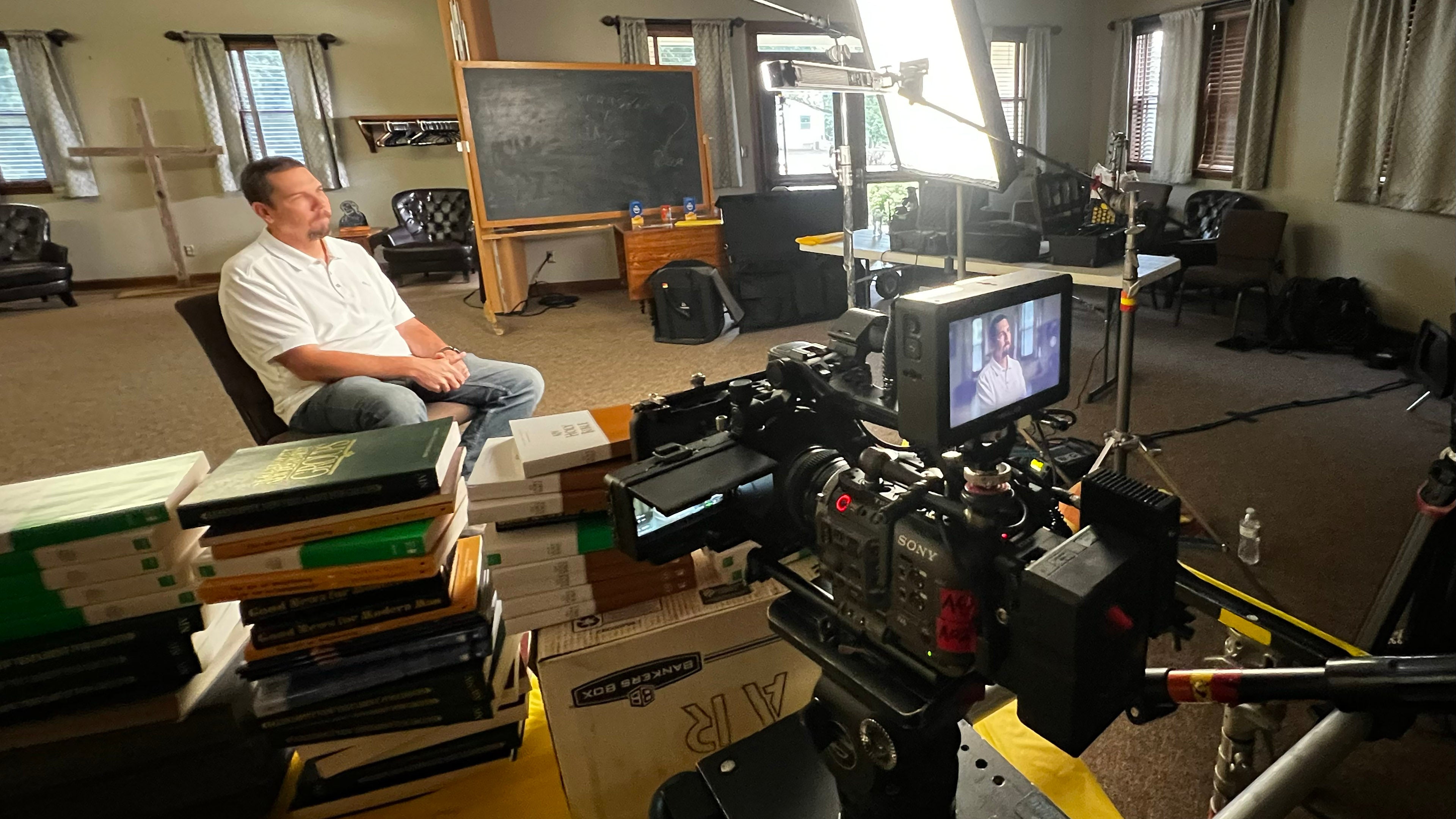
“And then the other angle that we had was opposite of how we approached our vérité, and this is something that we learned over the course of those first few months of just being there and getting a sense of how it felt to be in the town,” Montemayor continued. “Everyone is keeping an eye on each other. Everyone's watching each other. It's the small town drama of everyone is in each other's business."
“Like someone would be driving by, and then they're watching us. Or we would look around, and see somebody just poking out through a window, looking at us. In that sense, there is a little bit of voyeurism that presents itself. So we wanted to play around with that in the third angle, where we would have a camera on a dolly shifting back and forth, shooting through some foreground to make it feel like it is peering in on these characters' lives.”
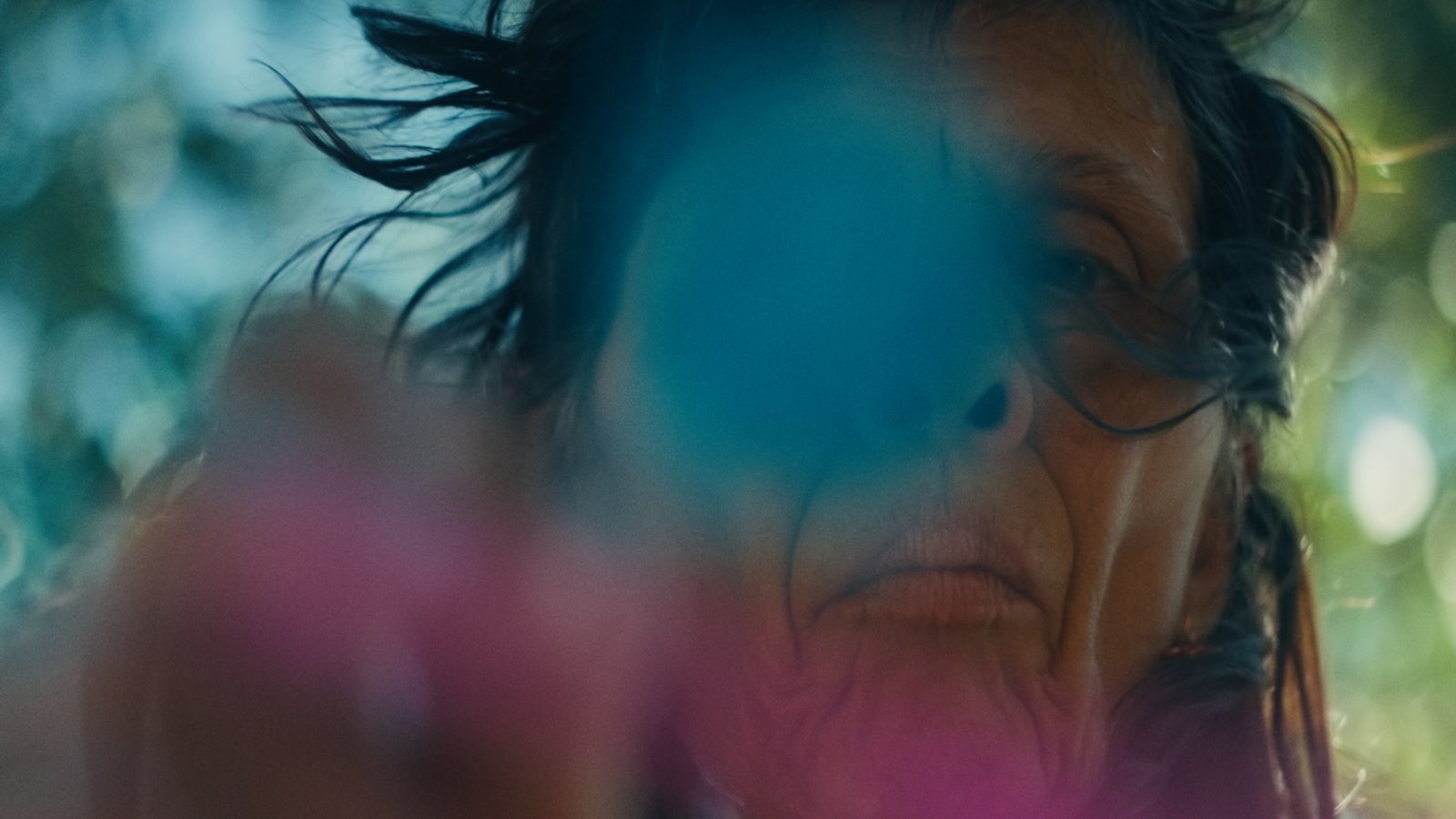
To further explore the complexities of the documentary’s subjects, Montemayor shot wide open on his vintage primes. By using lenses with “quirky, unique character,” as he called it, Montemayor was able to reflect the nature of a real person.
“No one's perfect. We all have our flaws. And the main subject of this film, Eric Meyer, the editor of the newspaper is also very complex,” Montemayor explained. “He obviously had this massive injustice happen to him and stands up for his right to free speech and for the power of journalism, but at the same time, he seems to rub people the wrong way in this small town because of his approach to storytelling.”
With the FX6, Montemayor was able to utilize the internal variable ND filters to hold onto that sweet spot in his vintage lenses, maintaining the character of his glass that became crucial to the visual language of the film.
“That flavor usually only comes out when you're shooting a wide open or close to wide open at a f/1.5 or f/2. You start to get halation in the highlights, maybe there's a little bit of vignetting, and it starts to soften a little bit in the skin. I love that look, and I want to maintain that consistency throughout these scenes,” Montemayor explained. “But if I don't have a camera with a variable ND filter, I can't do that. I have to stop down if I'm going outside, or even when I'm going into a different room where the difference is a stop or two.
“The variable ND of the FX6 allows me to incrementally change my exposure without having to lose that character of the lens, which is so important to telling the story and to establishing a look, keep that character, and keep that soul of the film. For me, that’s the biggest thing about the FX6 that I love.”
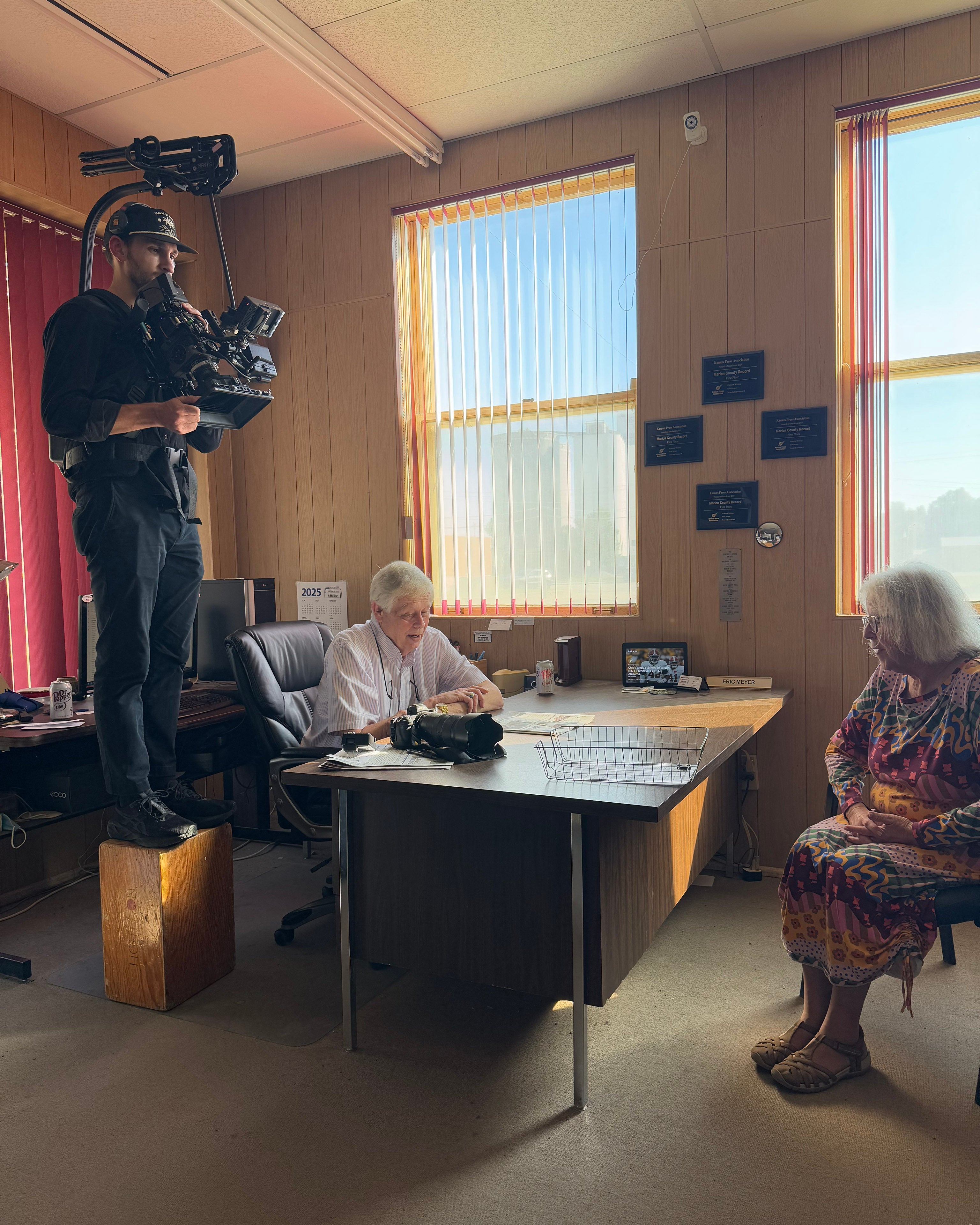
These internal-variable NDs were also paired with ISO 12,800 to shoot in various lighting scenarios, allowing Montemayor to focus on his composition and subjects rather than overcoming difficult lighting situations. But when he and Liese did have control over their lighting, such as in the office of the Marion County Record, the FX6 gave him the versatility to evolve the lighting while maintaining the visual language.
“When [the film] first starts, the office is very flatly lit. But it represents your understanding of the characters in the first place. You don't know them yet. So it's like you have this shallow understanding of who they are,” Montemayor said. “And then as the story progresses, and you get to see this other side of [them]. It's like the light starts to come in and starts to shape [them] in a new way and provide depth. The lighting has this fun evolution over the course of the film that coincides with what you learn about these characters.”
Seized was predominantly shot on the FX6, either in vérité or with a three-camera interview setup. Additionally, Montemayor used his Sony A7SIII to find additional angles.
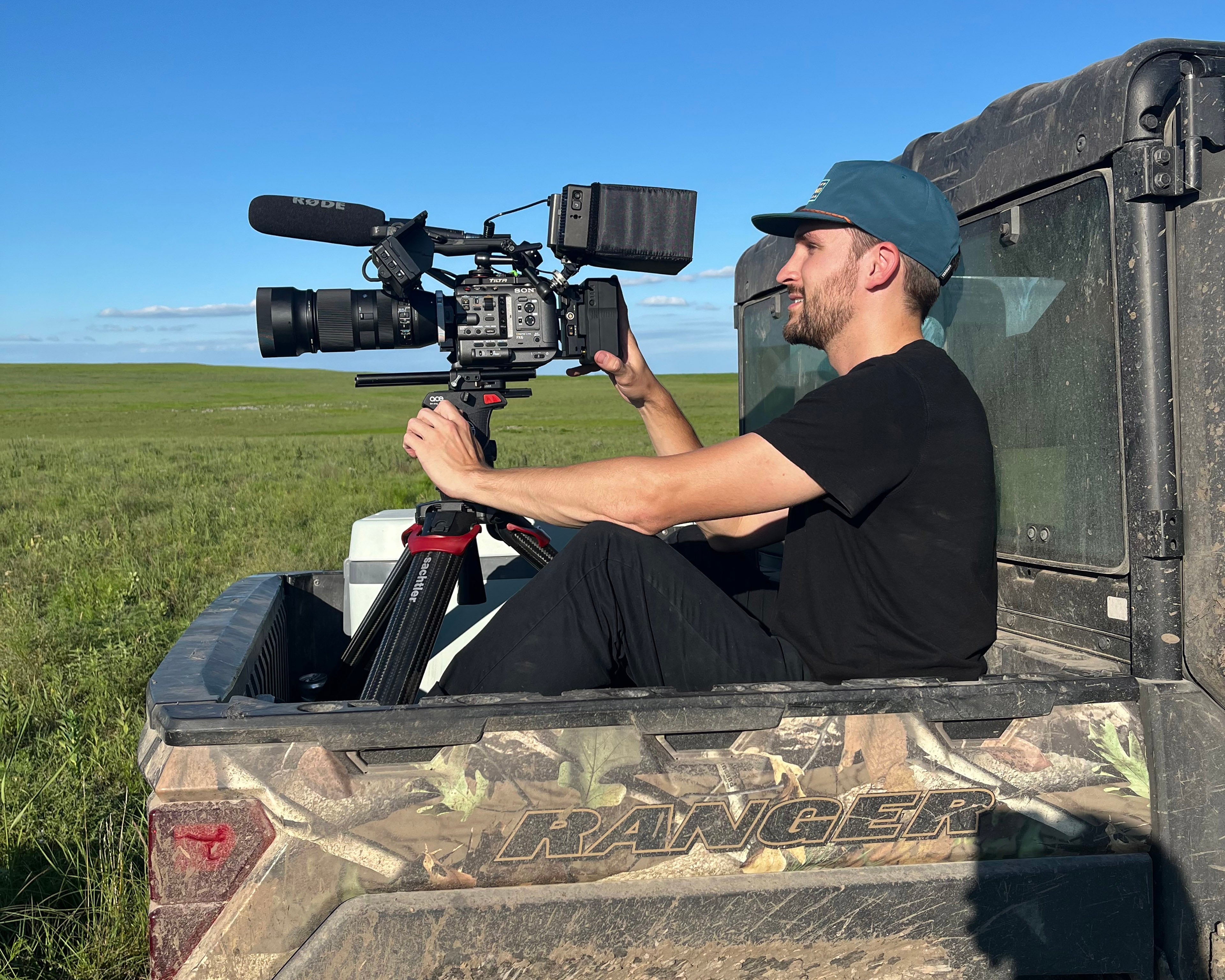
“It's just a fantastic documentary camera,” Montemayor said. “And I think the main thing that I love about the FX6 — particularly when I'm shooting a documentary in vérité, and oftentimes environments are changing, and you don't have control over a lot of things — is that I don't have to sacrifice this visual language that I've set.”
The Most Important Thing Is Trust
Capturing the complete story of such a nuanced event takes patience and trust. Trust in your collaborators, between your subjects, and in your camera. For Montemayor and Liese, building this trust took two and a half years, but the FX6 never gave them any doubt as they captured the story of Marion, Kansas.
“It was important for us to ease our way into these people's lives because there's a lot of themselves that they're showing us. And for most people, they're not used to doing that in front of a camera. It takes time for people to get comfortable,” Montemayor said. “Once they got used to us and [the camera], they understood that we were there to just help tell their story and that we would be really precious with them and their stories.”
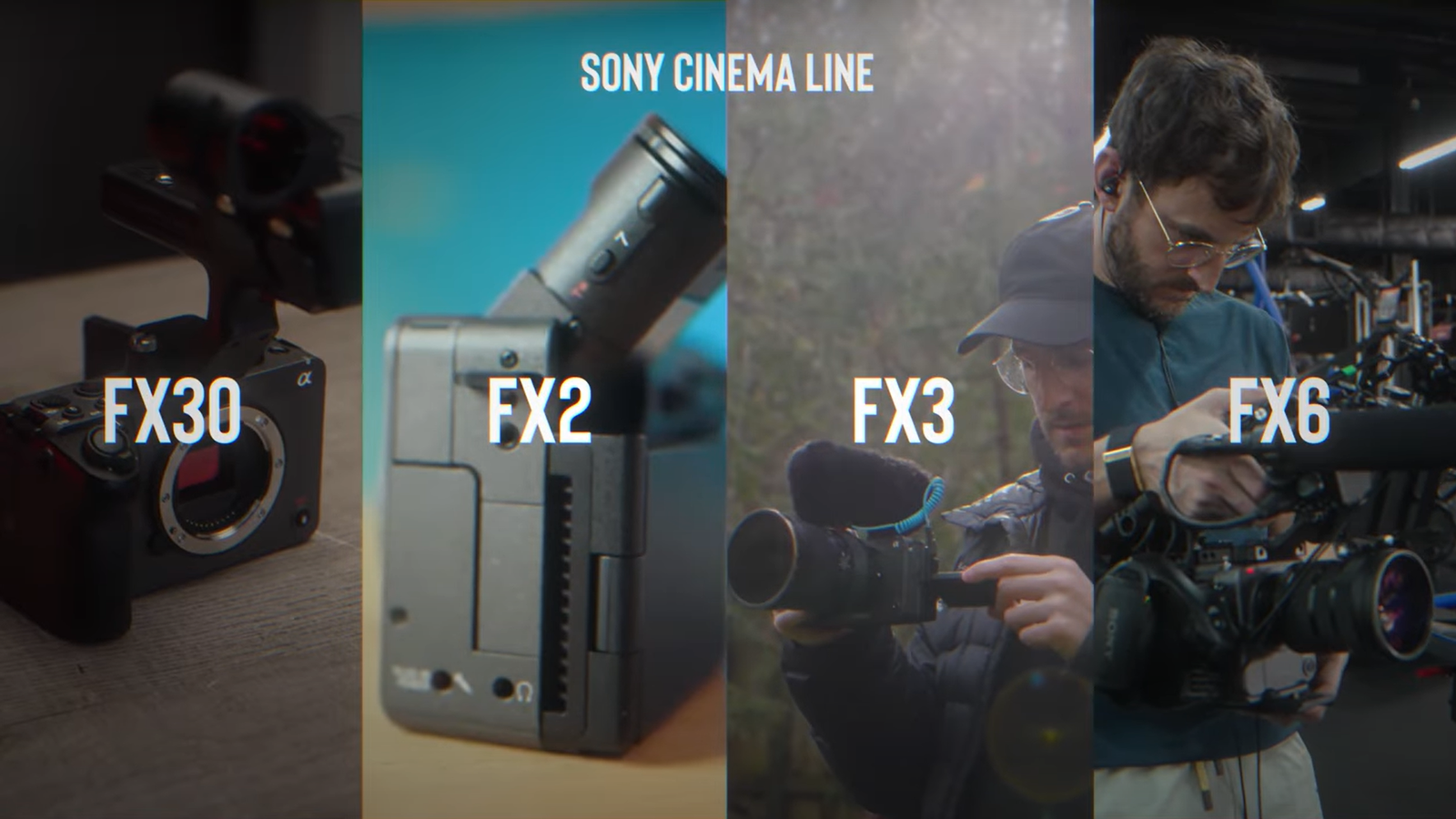
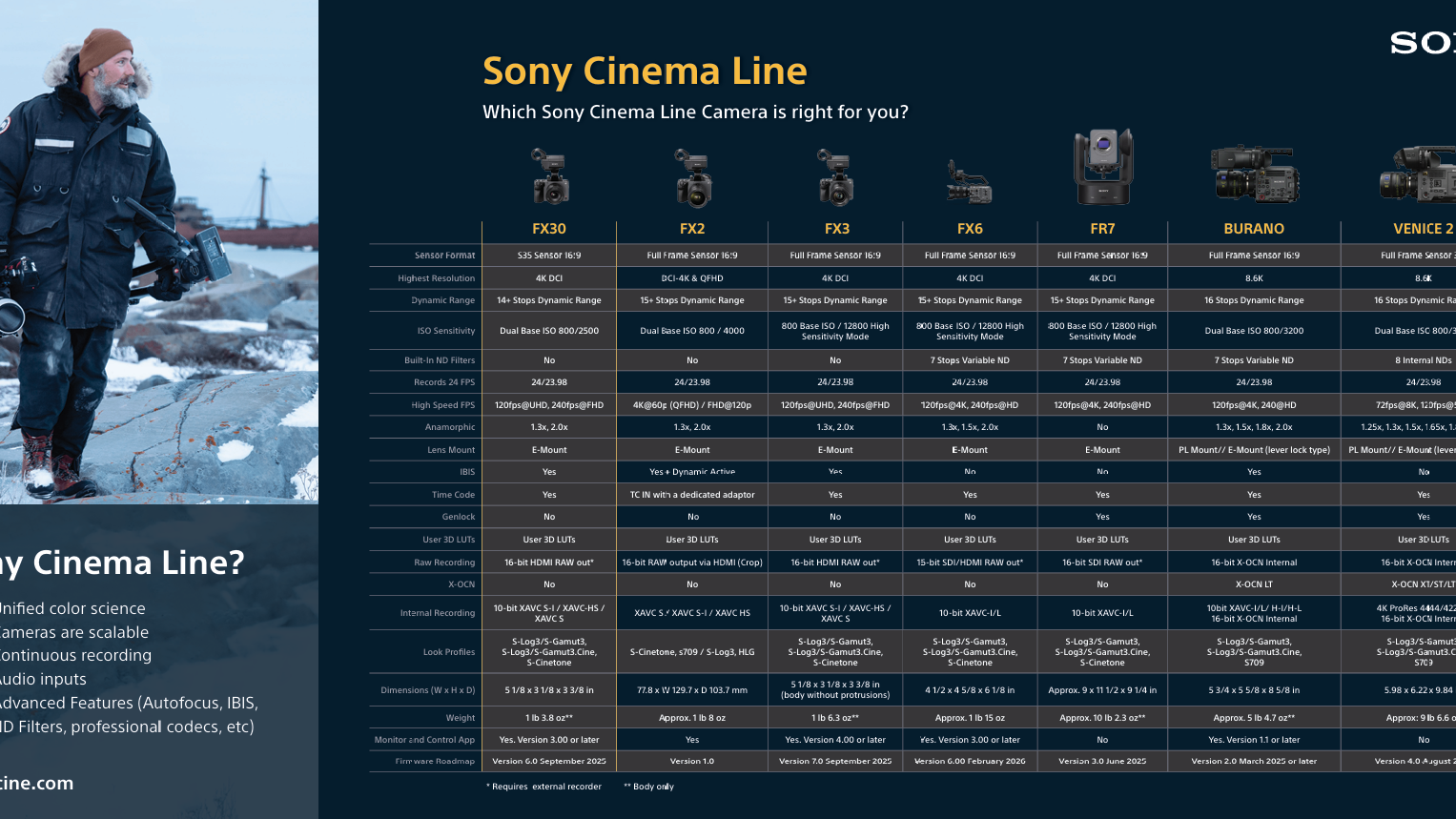
Seized premiered at Sundance 2026 as part of the U.S. Documentary Competition and is currently seeking distribution. To learn more about the film, visit the film’s festival page here. To learn more about the FX6 and the other cameras in the Sony Cinema Line, visit our Camera Comparison Chart.