12-02-2025 - Filmmaker Interviews
“Kiss of the Spider Woman” DP Tobias A. Schliessler, ASC, Explores the Fantasy of Musicals With VENICE 2
By: Yaroslav Altunin
Tobias A. Schliessler, ASC, refined his early creative approach in documentaries, music videos, and commercials before making his mark on the entertainment landscape with films such as Friday Night Lights, Dreamgirls, and the live-action remake of Beauty and the Beast.
For Kiss Of The Spider Woman, Schliessler paired up with long-time collaborator, Director Bill Condon (Gods and Monsters, Kinsey, Dreamgirls) to explore the juxtaposed worlds of an Argentinian prison in the 1980s and the Technicolor dreamscape of 1940s musicals, using the Sony VENICE 2 to craft the vibrant musical numbers.
Sony Cine sat down with Schliessler to discuss the challenges of filming two very distinct visual worlds, how he and Condon merged them together, and how the VENICE 2 enabled him to capture the specific look of the 1940s Technicolor 3-strip process.
Filmmaker Interview: Exploring the Two Different Worlds of Kiss of the Spider Woman
Starring Jennifer Lopez, Diego Luna, and Tonatiuh, Kiss of the Spider Woman follows two prisoners convicted of different crimes during the tail end of Argentina’s military dictatorship in the early 1980s. Based on the 1992 stage musical, which itself was based on Manuel Puig’s 1976 novel of the same name, the story explores love, politics, and the power of art.
“I’ve worked with Bill Condon for many years, and Kiss Of The Spider Woman marks our seventh collaboration,” Schliessler said. “I loved the original Kiss Of The Spider Woman movie, and when I read Bill’s interpretation, I was struck again by this powerful story and was immediately excited for the visual opportunities it presented.”
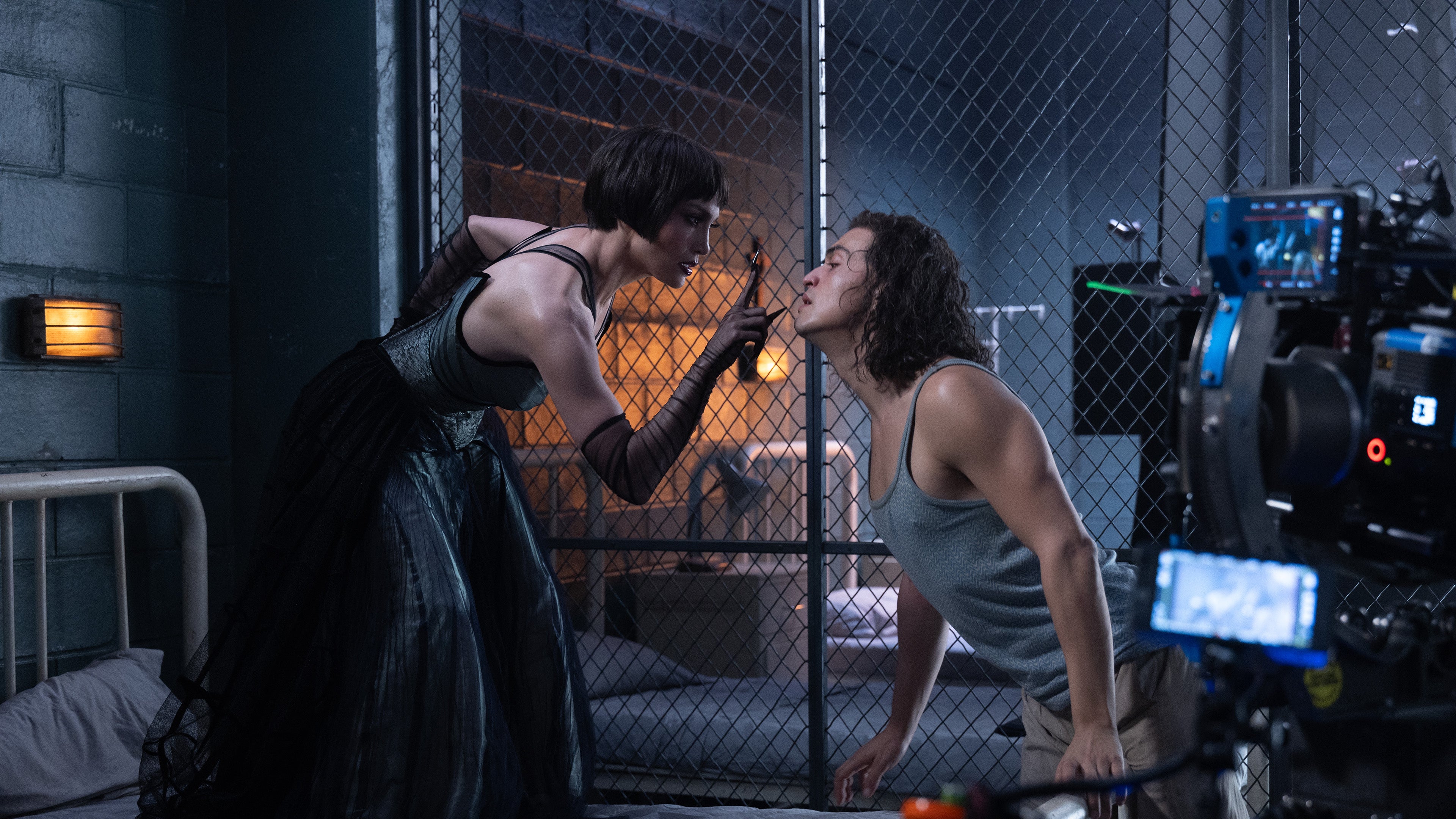
“The film takes place in a gritty 1980s Argentinian prison, where the character of Molina (played by Tonatiuh) recites the story of his favorite 1940s musical to his cellmate, Valentin (played by Luna),” Schliessler continued. “Through this, we see the beautiful Technicolor world in Molina’s mind, which creates a stark contrast to the reality they are living in. As a cinematographer, it was an enticing challenge to represent both of these worlds authentically within the same movie.”
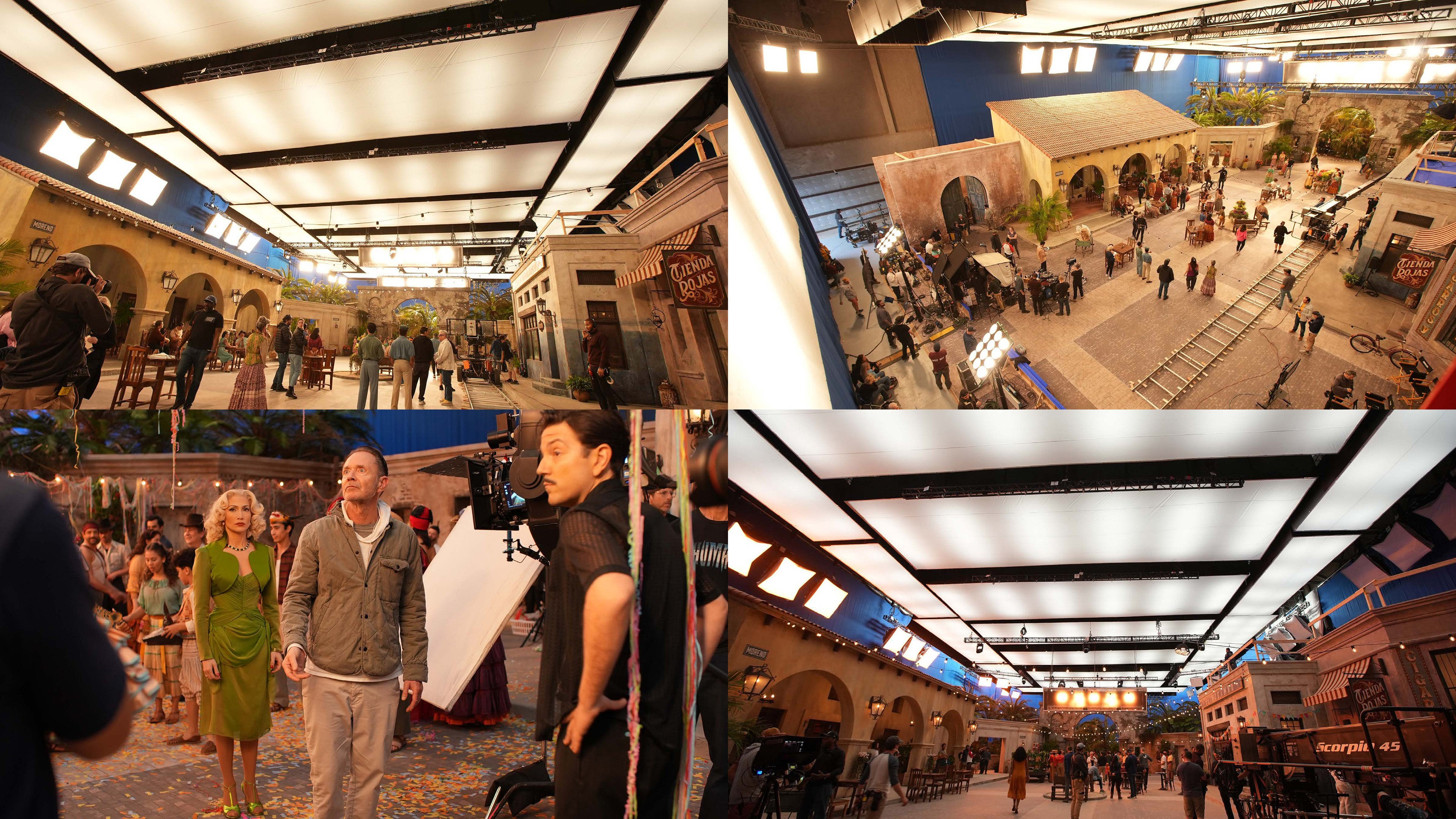
Schliessler and Condon had only eight short weeks to prep Kiss Of The Spider Woman, which included 14 musical numbers that would be shot on a sound stage in New Jersey, before moving to Montevideo in Uruguay for the prison scenes.
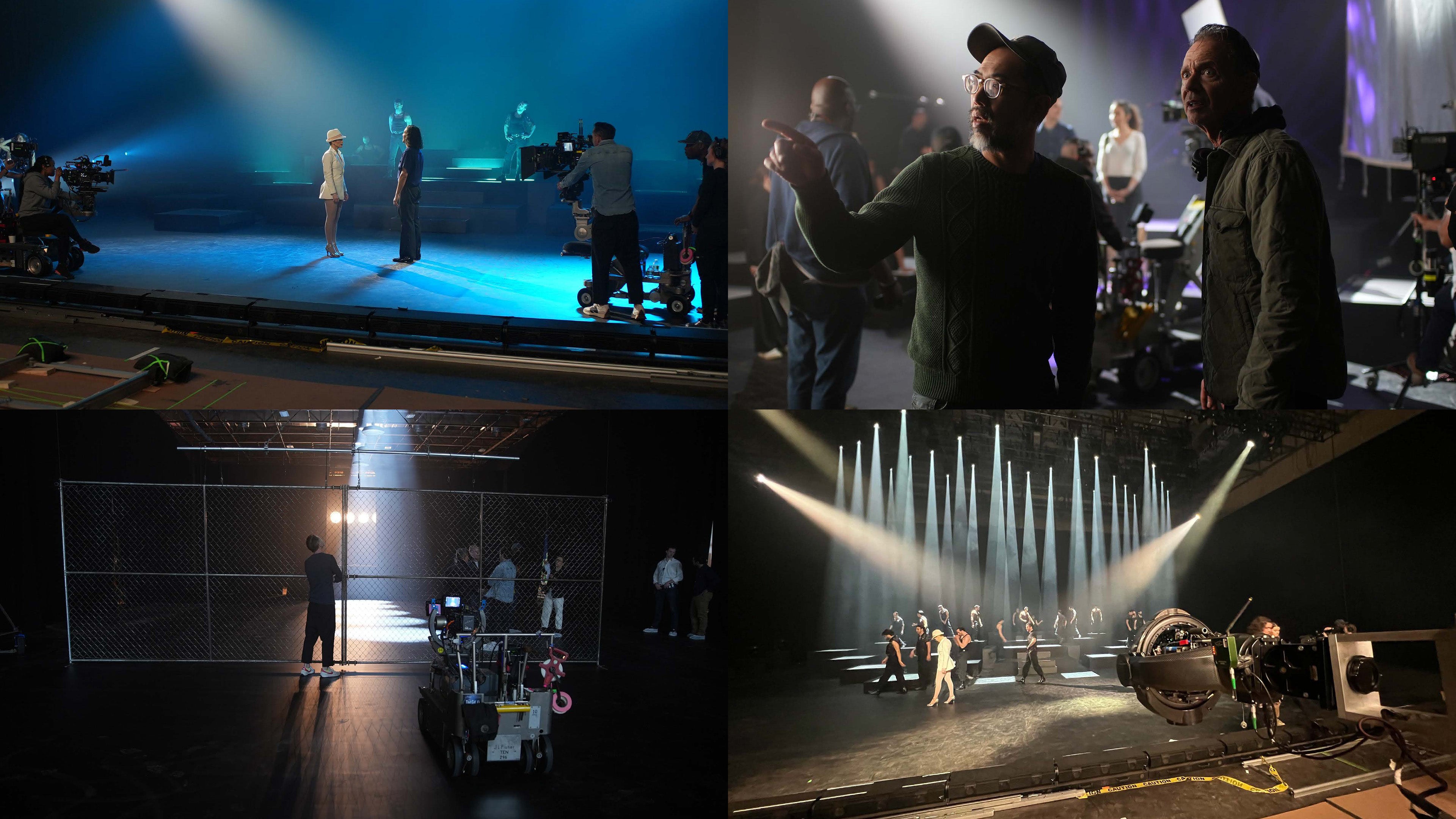
“When we first started, we focused on the Technicolor musical world that was a third of the movie, and shot those scenes in the first 17 days,” Schliessler said. “A few of the sequences took several days to shoot, but for most of them, we only had one day.”
“Bill had collected dozens of references from every musical of that era, which acted as our north star to hone in on the look during prep. He is the most knowledgeable director for musicals that I know, and he loves the genre,” Schliessler explained. “He had references for the lighting, the choreography, the costumes, and set design for every number.”
With all these references on hand, Schliessler and Condon worked diligently with the choreographers and dancers, watching and shooting rehearsals so they could plan how best to capture the musical sequences.
Filmmaker Interview: How the Sony VENICE 2 Gave Life to a 1940s Musical
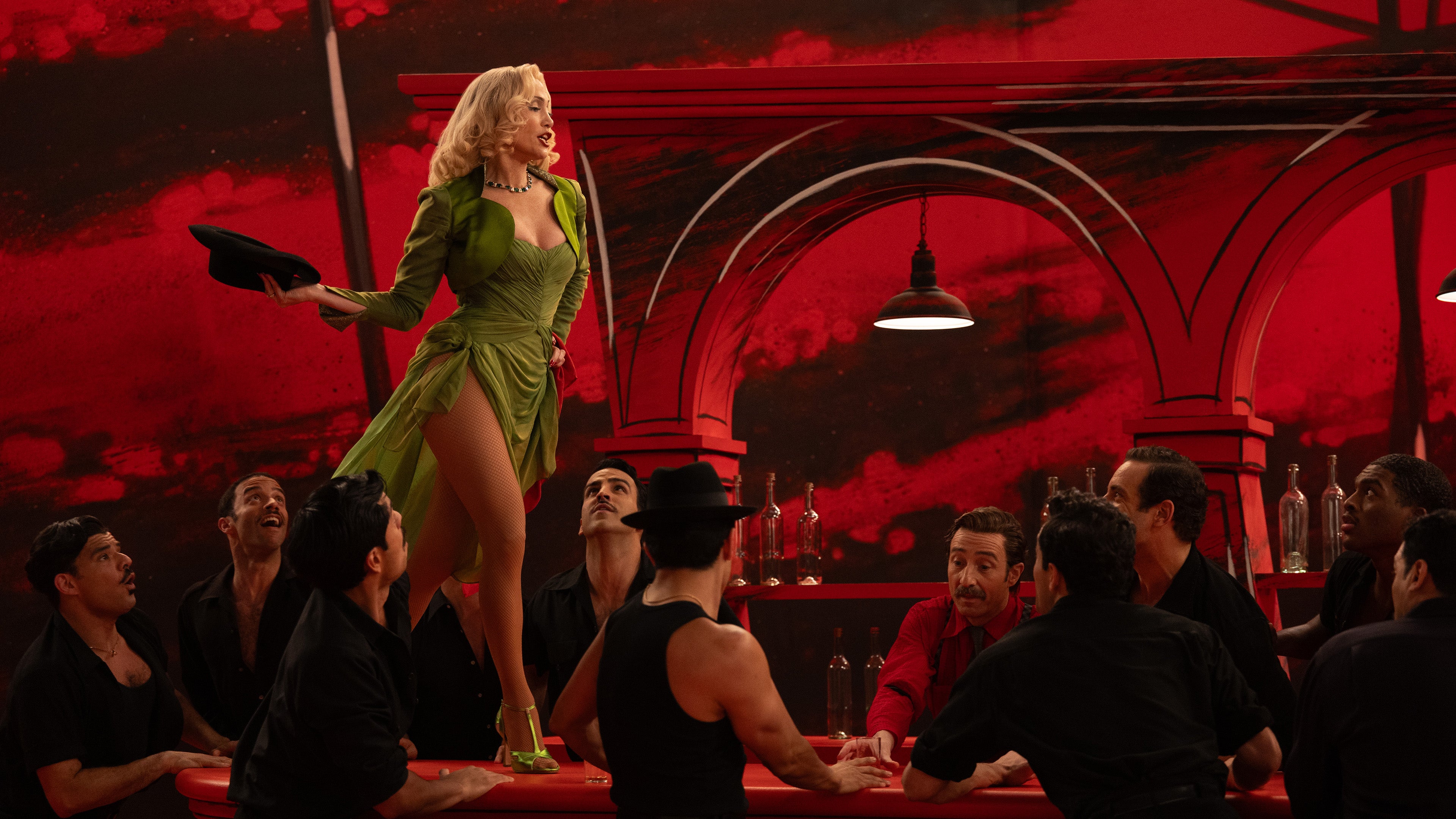
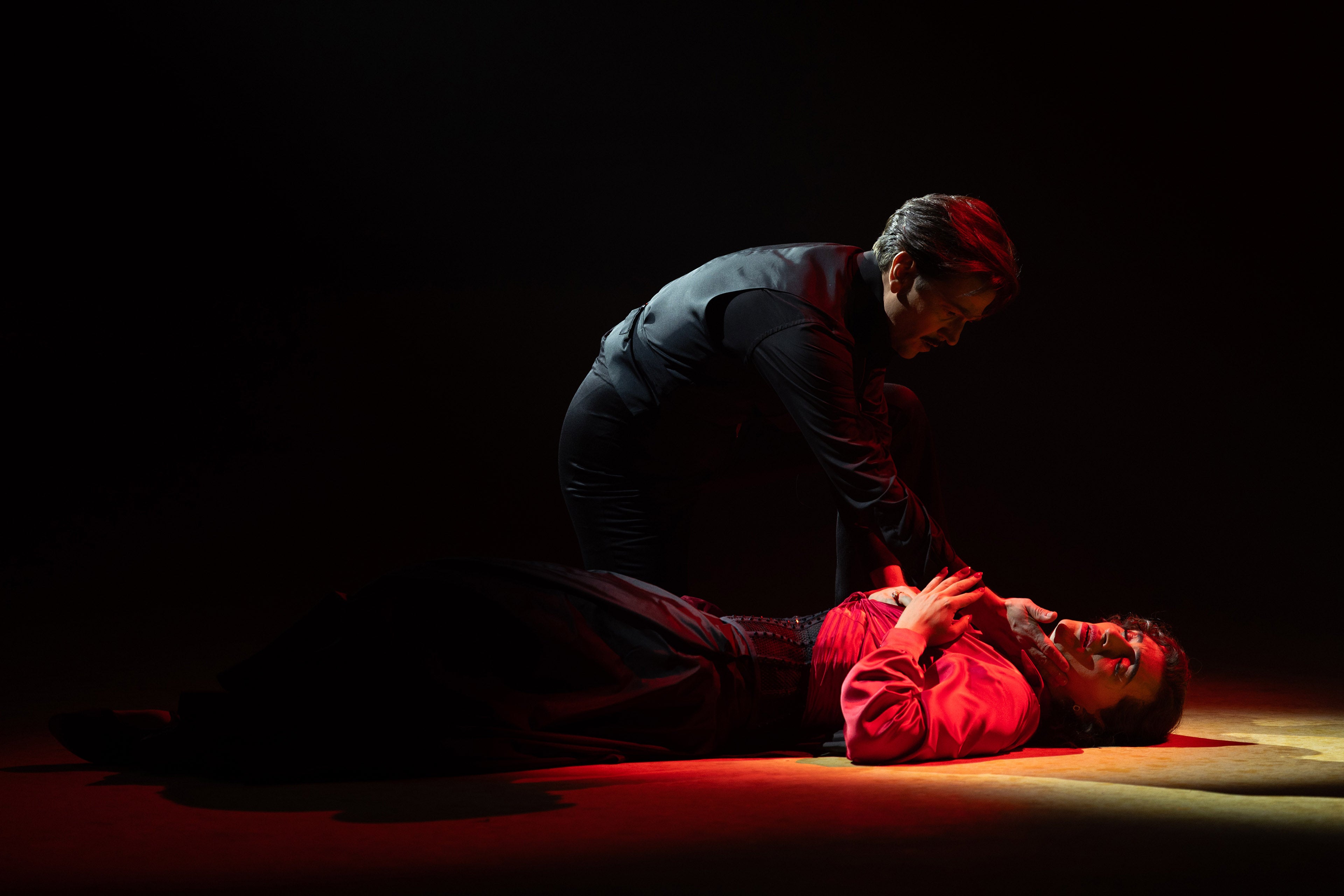
To replicate the musicals of the 1940s, Schliessler and Condon explored ways to mimic the Technicolor three-strip process that was used to capture movies in that era. For this, the cinematographer needed a camera that could not only capture those unique colors but also embrace the camera movements and compositions that defined the visual language.
“Bill was adamant that it really felt like a musical from that time,” Schliessler said. “With the three-strip process, the colors were super vibrant, and the skin tones were beautifully rich and creamy.”
While the scenes set in the 1980s were shot on a different camera system, all the 1940s musical numbers were done on the Sony VENICE 2.
“Originally, I wasn’t quite sure which camera to use. When I thought about the old Technicolor movies, I naturally fantasized about shooting film on one of those original three-strip cameras, but since that lab process doesn’t exist anymore, I knew I had to find another option,” Schliessler explained. “The look was so specific that I felt I could get the best result on a digital camera. I tested the Sony VENICE 2 [and other cinema cameras], and put them side-by-side with every kind of lens, and LUTs created by Stefan Sonnenfeld at Company 3. Ultimately, the Sony VENICE 2 rendered the closest look to what we were trying to achieve, and I knew it was the perfect choice for this movie.”
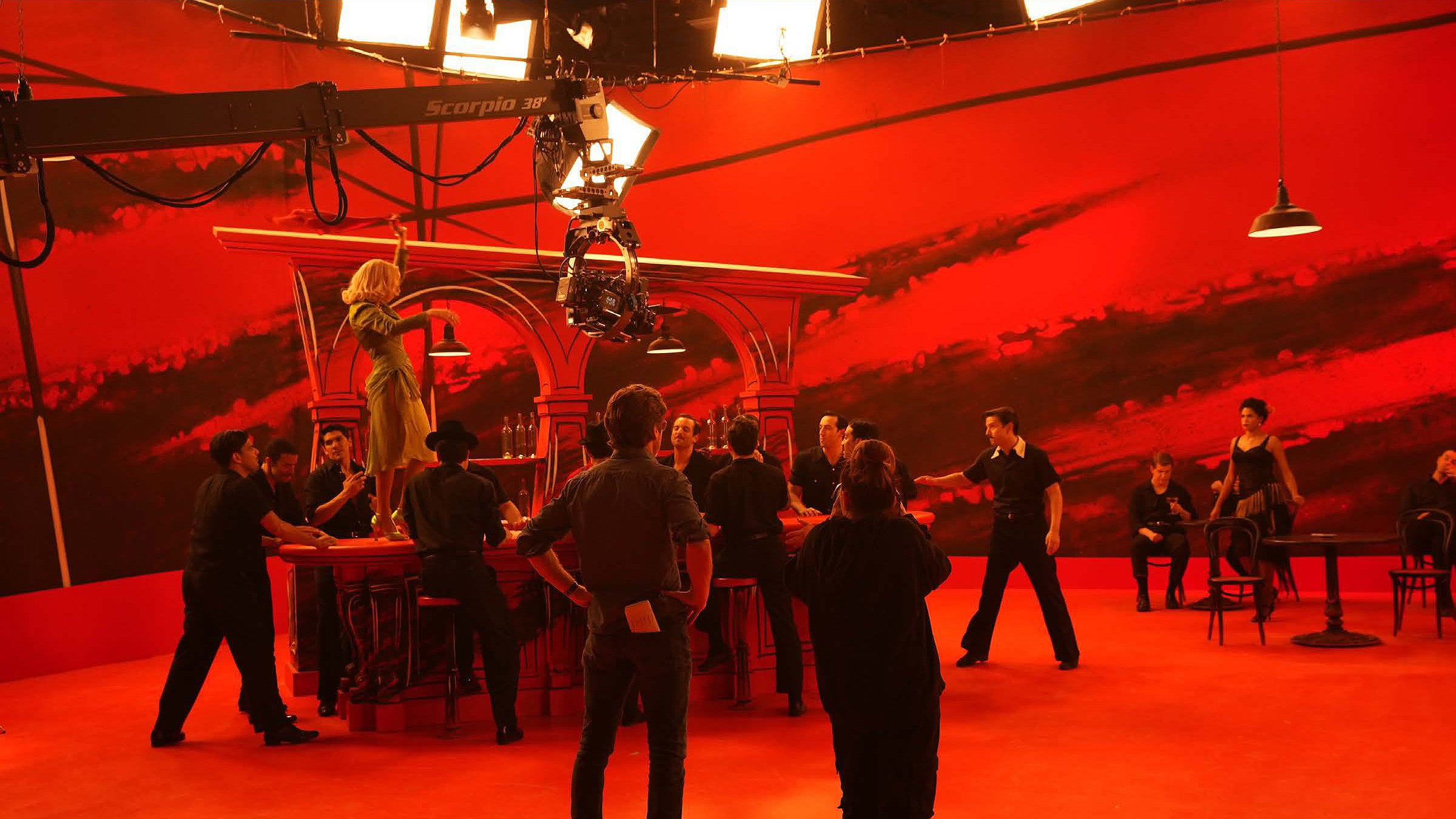
“As much as I love shooting film, it’s nice when the director can see exactly what I’m doing on his monitor,” Schliessler added. “Together we can make choices to alter the colors or exposure of the frame. It allows you a bit more freedom and flexibility.”
Recreating the specific colors and lighting of that era was only the first step. Schliessler also had to work closely in sync with the art department and costume designer for weeks to layer the image in a way that would embrace the classic Technicolor look.
“There was a very specific style of lighting with the three-strip cameras because they had such a low ASA,” Schliessler said. “They often needed a lot of hard light to get the proper exposure, so I tried to recreate that feeling of hard light in our scenes at certain times, but also implemented soft beauty lighting, which was equally characteristic of that time.”
Filmmaker Interview: Exploring the Gritty Reality of a 1980s Prison
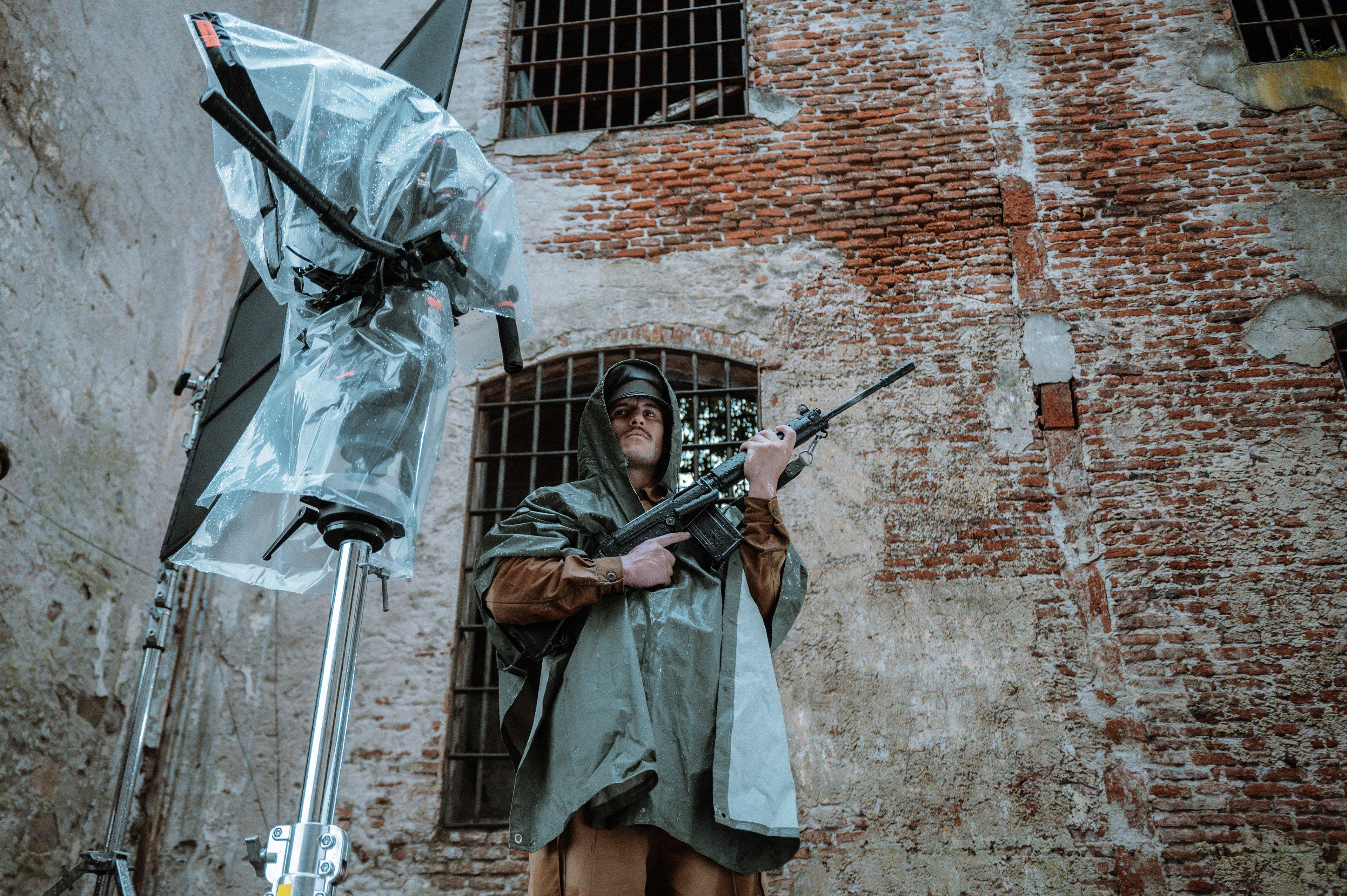
The rest of the film took place in an Argentinian prison during the Dirty War, which was a very different look and tone. To emphasize the difference, Schliessler decided to change not only the visual language but also the entire camera system and lens kit. While a set of Cooke Panchros Classics was used with the VENICE 2 for the musical numbers, an ARRI Mini LF paired with DNA primes was used to capture everything set in 1980s Argentina.
“I wanted to do a different look when we came to the prison,” Schliessler said. “These scenes needed to feel raw and gritty, and originally I thought I could maybe shoot them on film, but the logistics of transporting the footage from Uruguay were too risky.”
The scenes set in the prison and surrounding city were shot on location, while the prison cell was built on a sound stage in Montevideo. For these scenes, Schliessler used a handheld approach with a lighting setup that gave both the actors and camera operators the freedom to move around the small set.
“It’s an emotional story, and we wanted to be really close and intimate with the actors. We also wanted to make sure there was nothing obstructive in the space, so they could move where they felt was natural and stay completely in the scene,” Schliessler explained. “We shot everything with two cameras at the same time — sometimes cross-shooting — and the camera never left the cell. The camera always had to feel like we were trapped inside the cell with our characters.”
The cell was lit from above and accented with handheld tube lights for eye lights and subtle fill. To further support the story, the film began with a cooler color palette that gradually warmed as the relationship between Monlina and Valentin evolved.
“It was like a ballet between the actors and the camera operators,” Schliessler said.
“Everything was motivated by the practical lights that were in the cell or coming from the window, whether that was moonlight at night, or the sun in the daytime.”
Filmmaker Interview: How Schliessler Found Balance Between Two Worlds
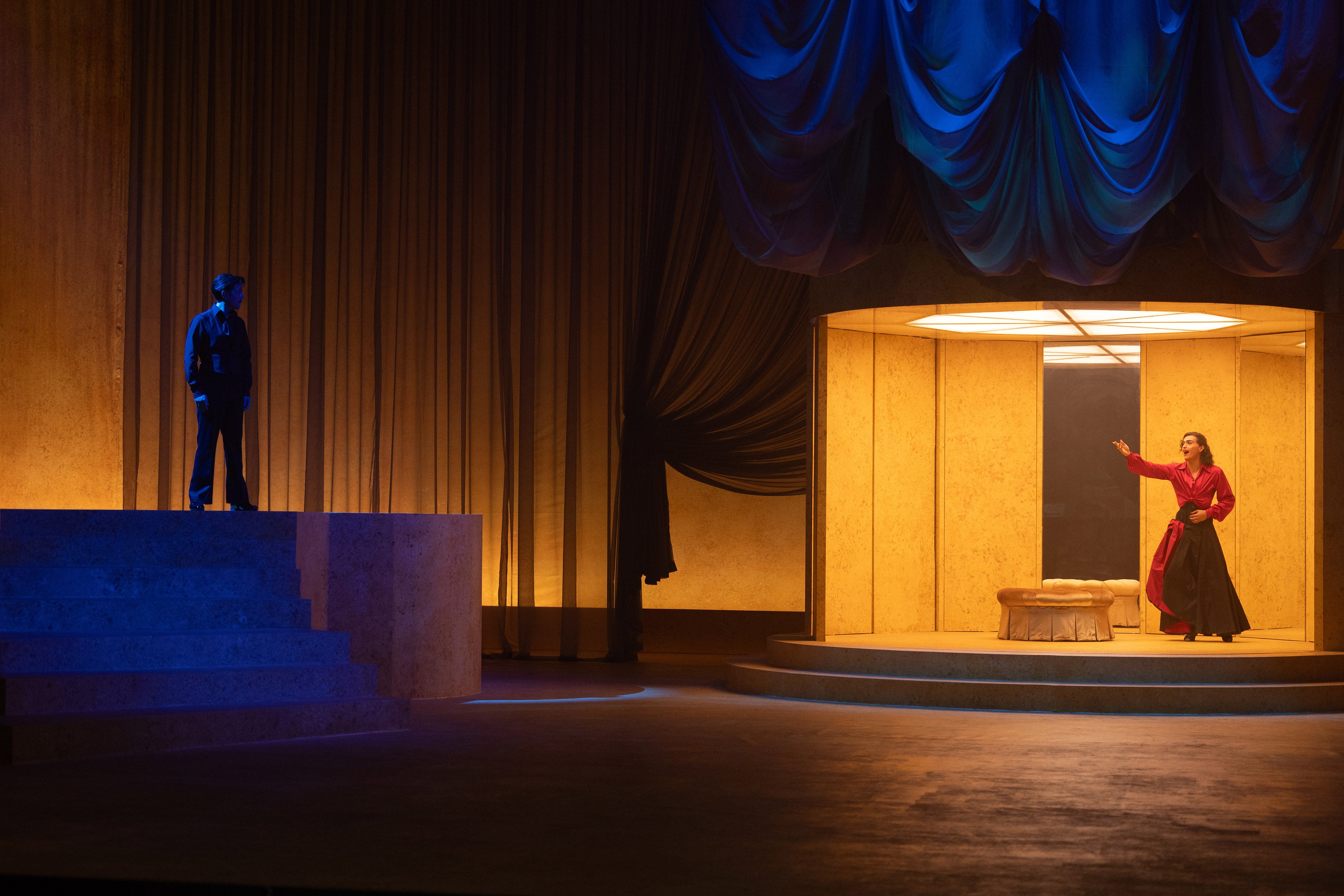
Blending the musical fantasy world that Molina created with the hard reality that Valentin lived in was a critical creative challenge that Schliessler and Condon solved with subtlety. Early transitions were motivated by lighting and match cuts, and as the story evolved, the divide between the two worlds grew less distinct.
“We really tried to find smooth transitions into the [musical] world so that the audience wouldn’t be jarred,” Schliessler said. “Sometimes we did it through lighting, finding creative places where we could transition with a more stylized approach that guides the viewer into the Technicolor sequences.”
The Language of Movies, On Screen and On Set
In Kiss of the Spider Woman, the two main characters use the retelling of Molina’s favorite movie as a way to explore abstract concepts, escape their reality, and learn more about each other than they ever anticipated. Though their life experiences are vastly different, the film they discuss helps them to find a common language and form a relationship that neither would have expected.
Catch Kiss of the Spider Woman in theaters to see more of Schliessler's work on screen. To learn more about the Sony VENICE 2 and the other cameras of the Sony Cinema Line, explore our Camera Comparison Chart.


