02-17-2026 - Filmmaker Interviews
How “Brilliant Minds” Season 2 DPs Reinvented Each Episode With the Sony VENICE
By: Yaroslav Altunin
NBC’s Brilliant Minds, created by Michael Grassi (Riverdale), is an unconventional medical drama that explores mental health from the patient's perspective. Starring Zachary Quinto, a doctor suffering from prosopagnosia, the series is now in its second season, reinventing itself in each episode to give each diagnosis its own spotlight.
To capture Season 2, DP Stanley Fernandez (American Horror Story) returned after lensing Episode 12 of Season 1. Joined by cinematographer Claudine Sauvé, CSC (Little Bird), the duo embraced the Sony VENICE to recreate as many of the visual intricacies of mental health in-camera as possible.
Sony Cine sat down with Fernandez and Sauvé to learn more about their creative process, how the anthology concept defined the visual language, and how the VENICE gave them the control they needed to fine-tune the creative look of the show.
The Look of Brilliant Minds | Giving Mental Health a Visual Language
Consisting of 13 episodes, the first season of Brilliant Minds was shot by four cinematographers: Pierre Gill (Dune: Prophecy) lensed the pilot, Miroslaw Baszak (Chapelwaite) and Michael Marshall (Gen V) shot the bulk of the season, and Fernandez captured Episode 12. This created subtle nuances from episode to episode, a thread that Fernandez and Claudine would continue throughout the 22 episodes of Season 2.
“We really loved the way the show looked [in Season 1], and we tried to move in that direction,” Fernandez said. “We changed our lenses — they used Atlas lenses last season, and we went with anamorphic vintage Hawks — we shied away from the sharpness, and we went with a little more softer, textured look. We also used a lot of atmosphere whenever possible just to add texture.”
“[For Season 2] I proposed, and Stanley agreed, that we use the Hawk V-Lite Vintage ’74 that I used on feature films before,” Sauvé added. “I really like that those are new lenses with a vintage look. For a TV show of 22 episodes that is shooting eight days per episode, you don't want to get into trouble when all the lenses are different colors and have different features.”
“We wanted to keep the anamorphic look and the nice flares and the softness of it all, as well as some aberration in the corner, a nice bokeh, and all those things that we like with vintage lenses.”
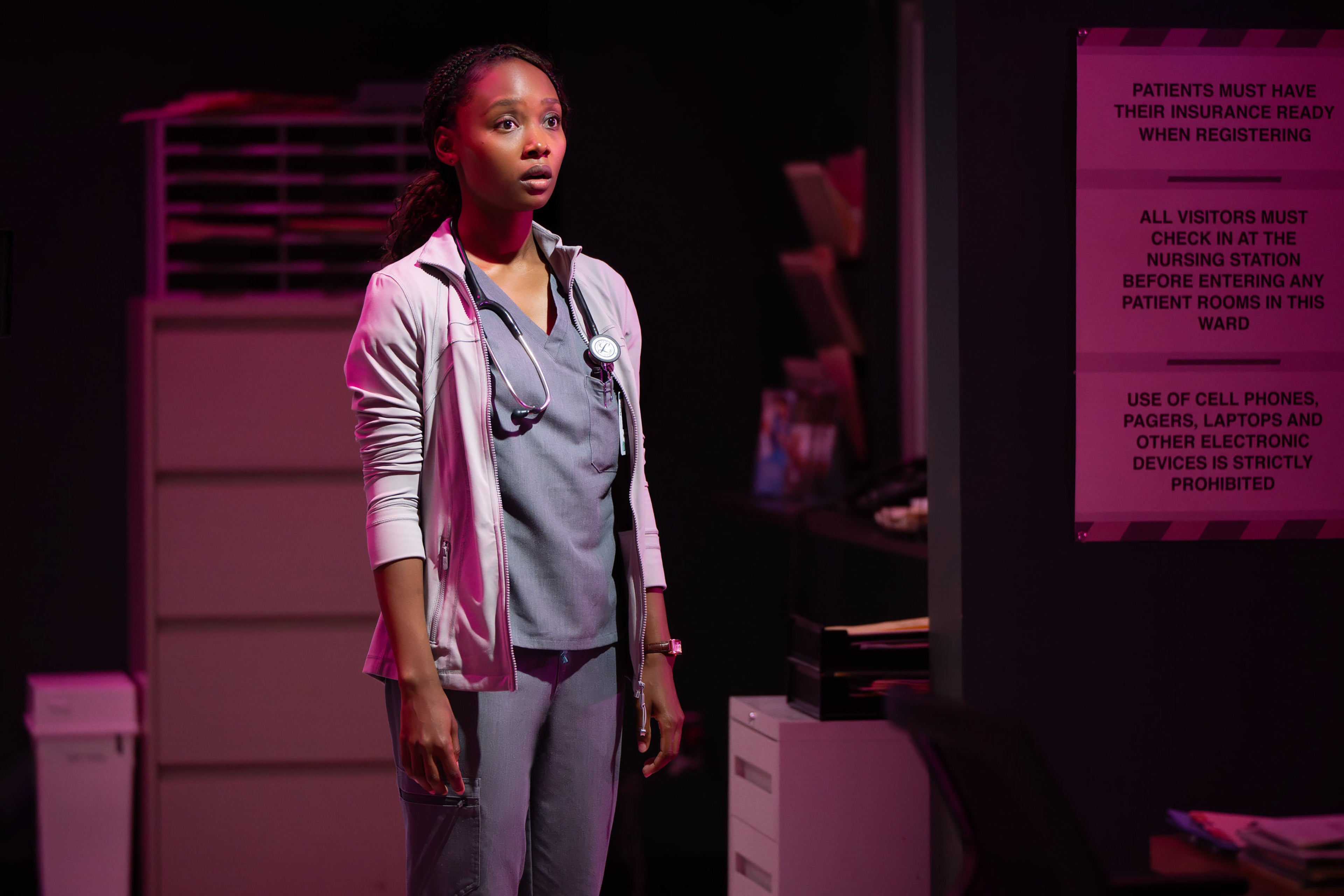
As with some medical dramas, each episode is devoted to a patient and their particular ailment. But with Brilliant Minds, the diagnosis is almost always a mental health issue, leading to changing perspectives and realities. And while the show's main look remained consistent throughout, those patient stories gave Fernandez and Sauvé a chance to reinvent the visual language.
“What's interesting about the show, when it comes to the medical portion, is that it sticks to its own thing. It's already been established, and there's continuity there,” Fernandez said. “But from episode to episode, that varies. [Each episode] has its own tricks, nuances, and patient POVs. So that gave us the opportunity to do different things, different frame rates, and different camera movement.”
“[Because] it varies from episode to episode, that keeps it fresh. We’re almost reinventing ourselves every episode.”
“Every episode has its own identity and own patient perspective,” Sauvé added. “From the start, our showrunner, who was also the creator of the series, Michael Grassi, told us to explore it as an anthology series. So we had to explore different looks for every patient’s perspective using different lenses, different lighting, special filters or accessories.”
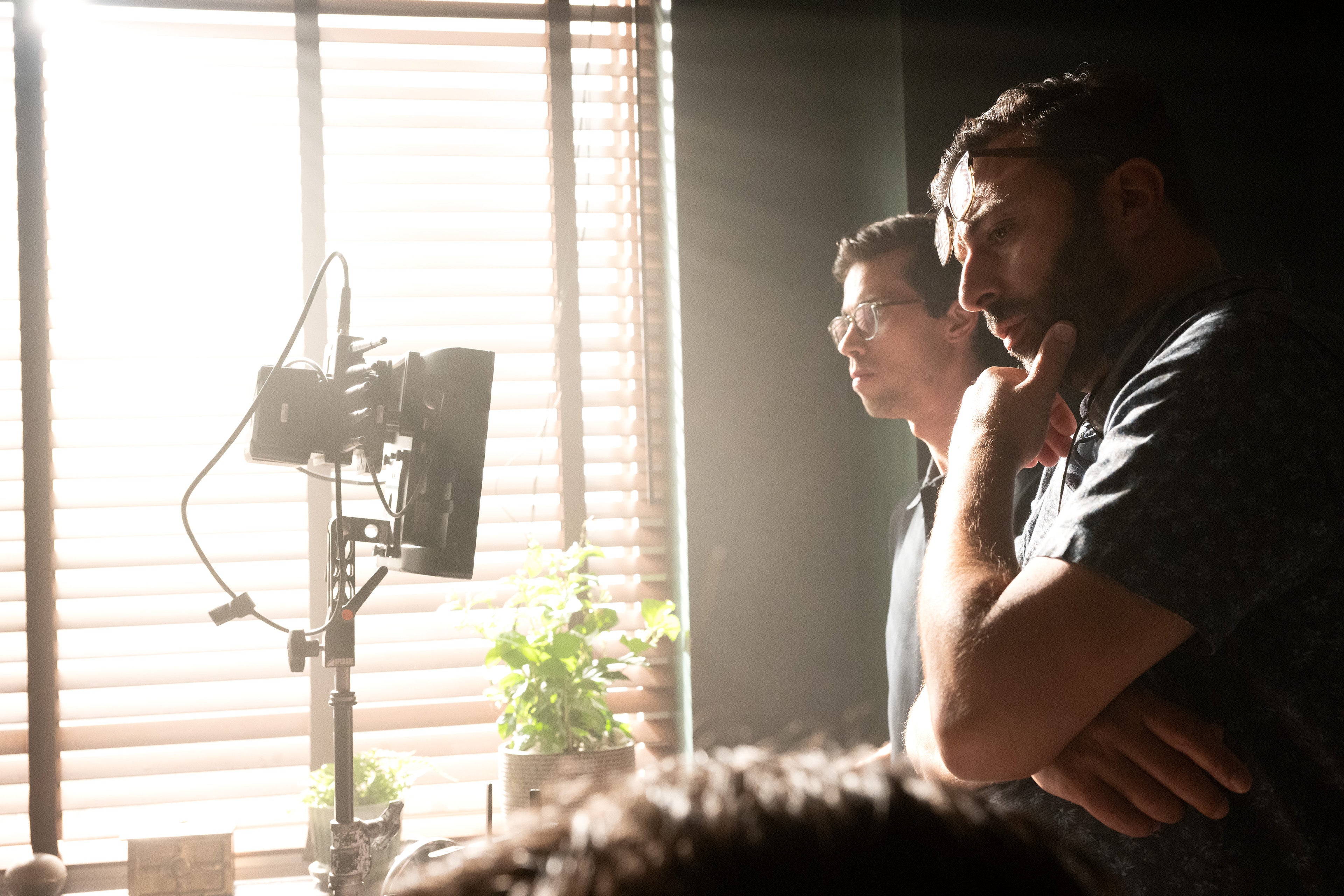
How the Sony VENICE Helped Build the Look of Brilliant Minds Season 2
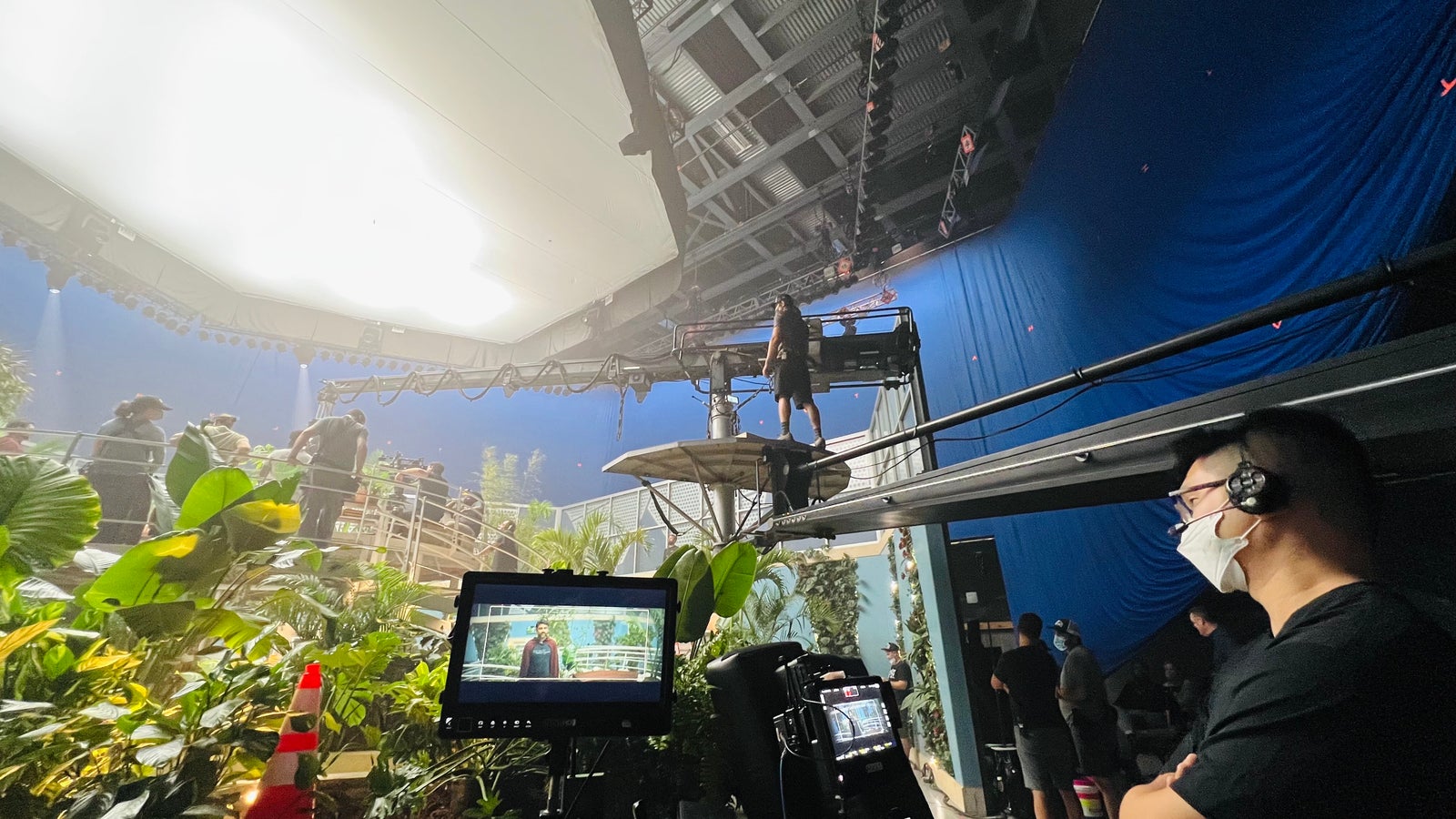
For most of the series, scenes take place at the fictional Bronx General Hospital. Here, Fernandez and Sauvé played with light, lenses, and filters to achieve a consistent look for the show's foundational visual language. However, for moments and story beats outside this location or even reality, the two cinematographers embraced the unique characteristics of their lenses, aiming to capture all their patient POVs in-camera before leaning on VFX.
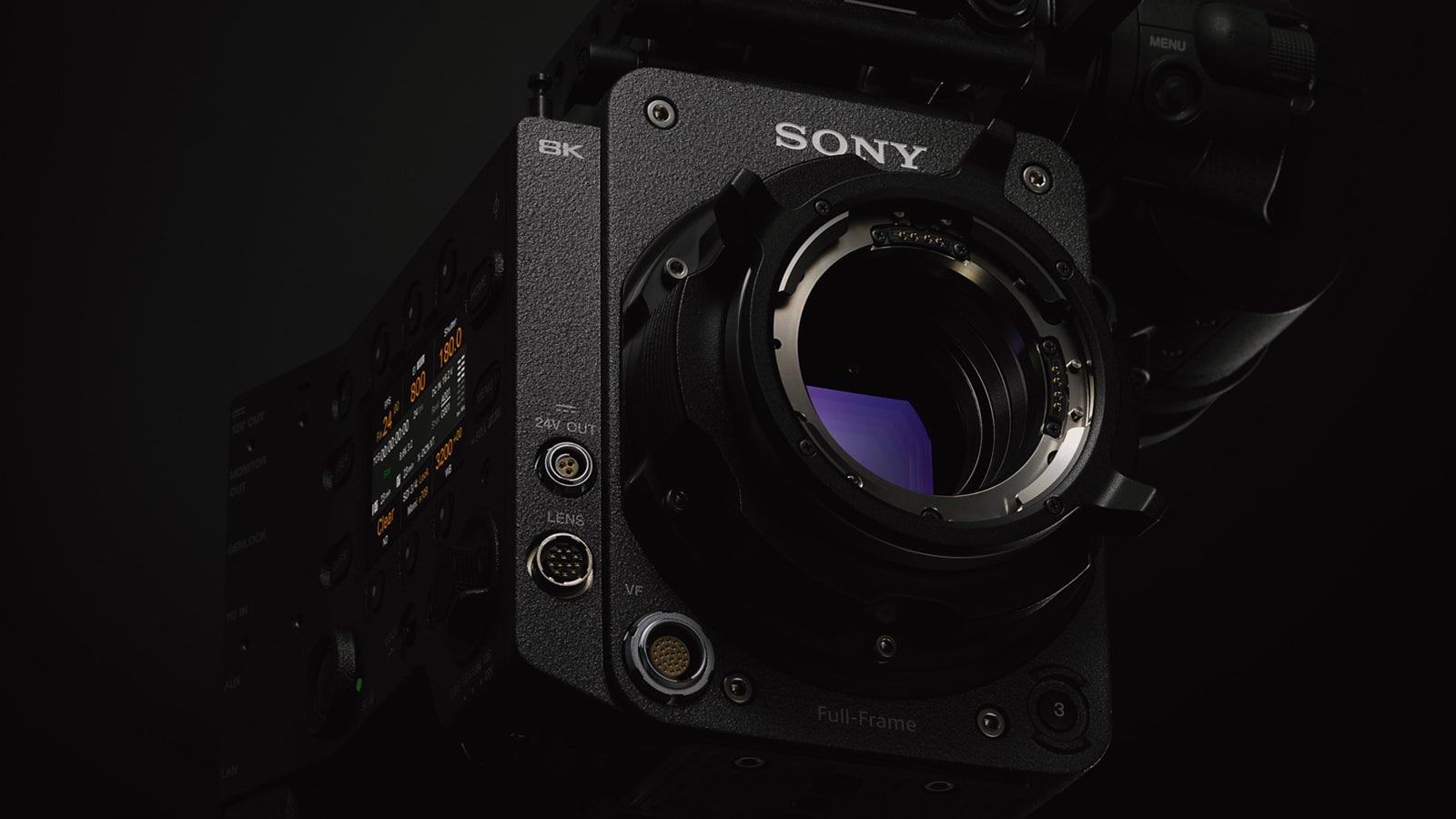
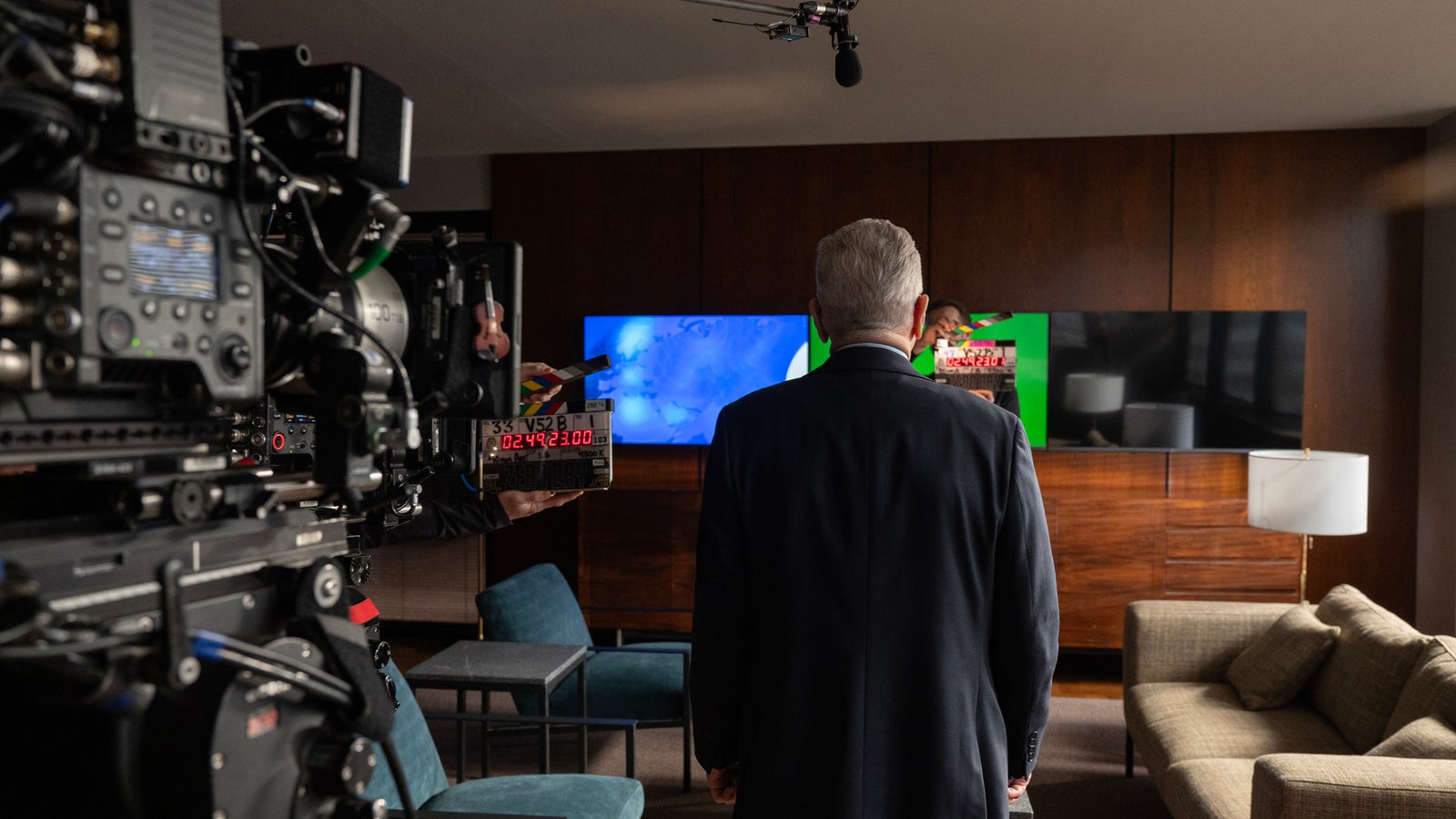
To capture both worlds, Fernandez and Sauvé used the Sony VENICE, which was also used on Season 1, at times rigging it with the VENICE Extensions System or even replacing it with the Sony FX3.
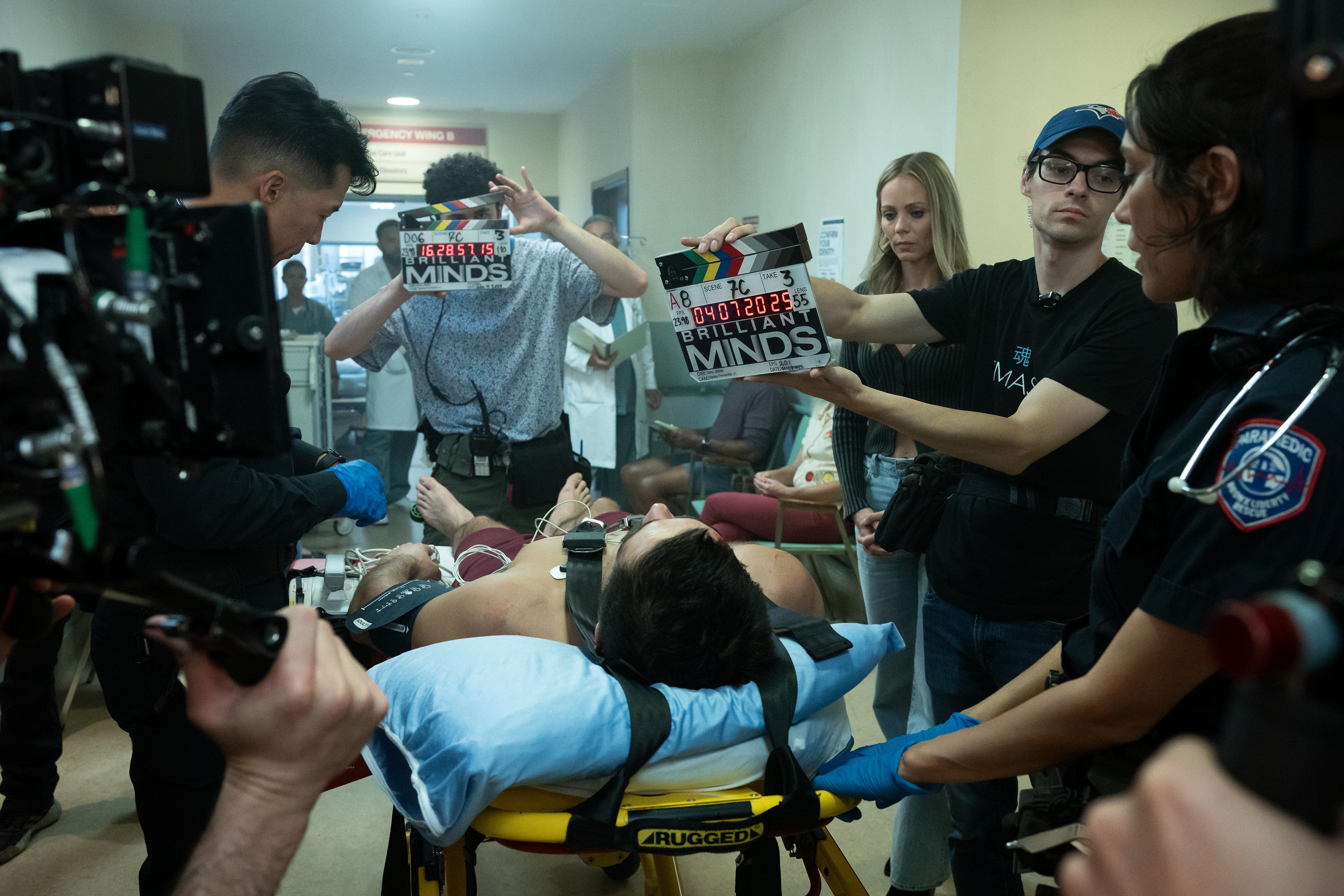
“The VENICE had been a workhorse for us and accomplished everything that we've asked it to do,” Fernandez said. “And we recently used the FX3. It's like a little baby brother. It's still the same color science, but they mesh together so well when using the same lenses.”
“We used it a lot for tight quarters, like shooting an ambulance scene. The Rialto can handle it, but the FX3 is just so fluid, being able to put it in places and pick it up and move it fast makes us more efficient that way."
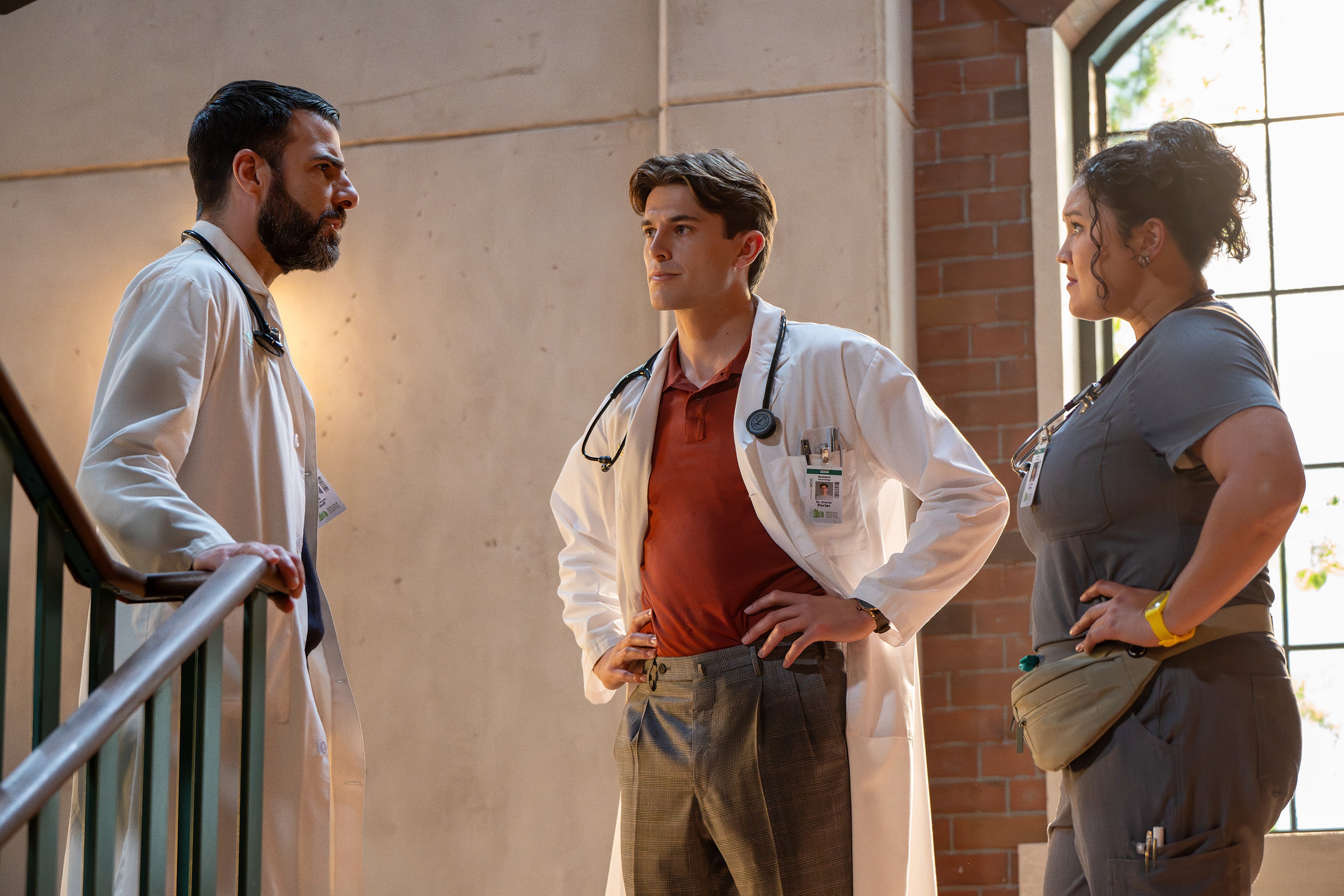
For Suavé, this would be her first time with the VENICE on a full project, and the cinematographer discovered that the camera’s feature set offered a wide range of control, helping refine the creative look inside a patient’s mind and in the real world.
“[Because of the internal ND] I’m playing with the depth of field all the time, even more so with those anamorphic lenses,” Sauvé said. “If you want to make that soft edge a bit less soft, you need more T/stops, so it’s interesting to be able to quickly manage this even in between takes without anyone noticing anything you're doing.”
“Combining [those lenses] with the Sony VENICE, which we mostly shot with the native ISO of 2500, really gave us a lot of possibilities,” Sauvé explained. “That’s my favorite feature of this camera, because I like using natural light, and when you need too much light, you erase everything that is already there in the room.”
“I like to combine natural light and my light and see how it acts. So to be able to use this very sensitive sensor, it's really great to be honest.”
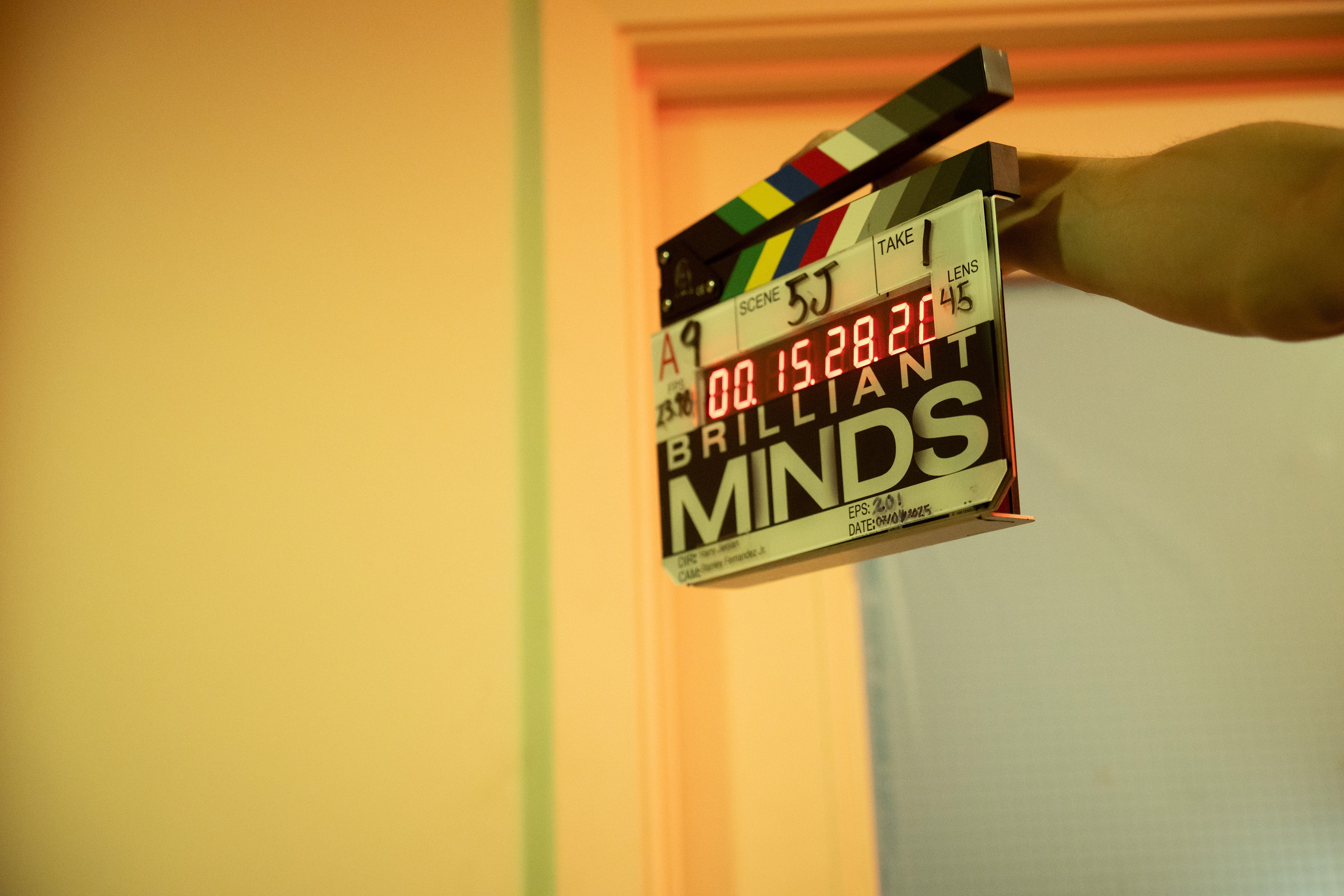
That sensitivity extended to the way that Sauvé liked to shoot. Whether on set, where she liked to work with lights mimicking sunbeams, or on location, where she had actual sunlight, the cinematographer could creatively ride a fine line between exposure and overexposure.
“I like to overexpose things, but I'm always looking for details in there. I'm obsessed with protecting details in the highlights,” Sauvé said. “With the VENICE, I can really manage the highlights properly, with the sun and or the fake sun, and make it look very natural.”
“The combination of the Sony VENICE sensor, the soft sunlight, my glimmer glass, and the Hawk Vintage ’74 lenses made something really beautiful and natural, even with a huge light directly in the shot.”
For Fernandez, it was all about moving fast and being efficient. With only eight days to shoot each episode, the cinematographer found that the VENICE allowed him to shoot quickly while also leaving room for creative possibilities. However, it was how the camera handled varied skin tones that surprised Fernandez.
“Because of the camera and its dynamic range, the way it handles low light and the highlights, makes it a very interesting combination where skin tones stay soft and real,” Fernandez said, ”With so many variation of beautiful complexions it can be challenging at times, but not with the Sony."
A Cohesive Visual Language That Evolves From Story to Story
Even with only two cinematographers for Season 2, Brilliant Minds continues to evolve in subtle ways. Like with its first season, its creative DNA is all about subtle changes. Fernandez and Sauvé both brought their own visual touches to the series, but as Fernandez looks back on their world, he sees a cohesive thread.
“What's interesting is that I feel like we have a very similar vibe, but we're still individuals,” Fernandez said. “It meshes. And visually, from episode to episode, there's never a moment when it feels like a different show.”
Catch Season 2 of Brilliant Minds streaming now on Peacock. To learn more about the Sony VENICE and the other cameras in the Sony Cinema Line, visit our Camera Comparison Chart.