01-28-2026 - Filmmaker Interviews
“Gen V” DP Jonathon Cliff Explores a Fresh Visual Palette for Season 2
By: Yaroslav Altunin
The success of The Boys has brought a new cinematic universe to the television screen, transforming the comic book story into an epic tale that spawned five seasons and has garnered a dozen Emmy nominations and four wins. The series has also spawned several spin-offs across various media types, with Gen V, an equally successful series, bridging the third and fourth seasons of The Boys during its premiere.
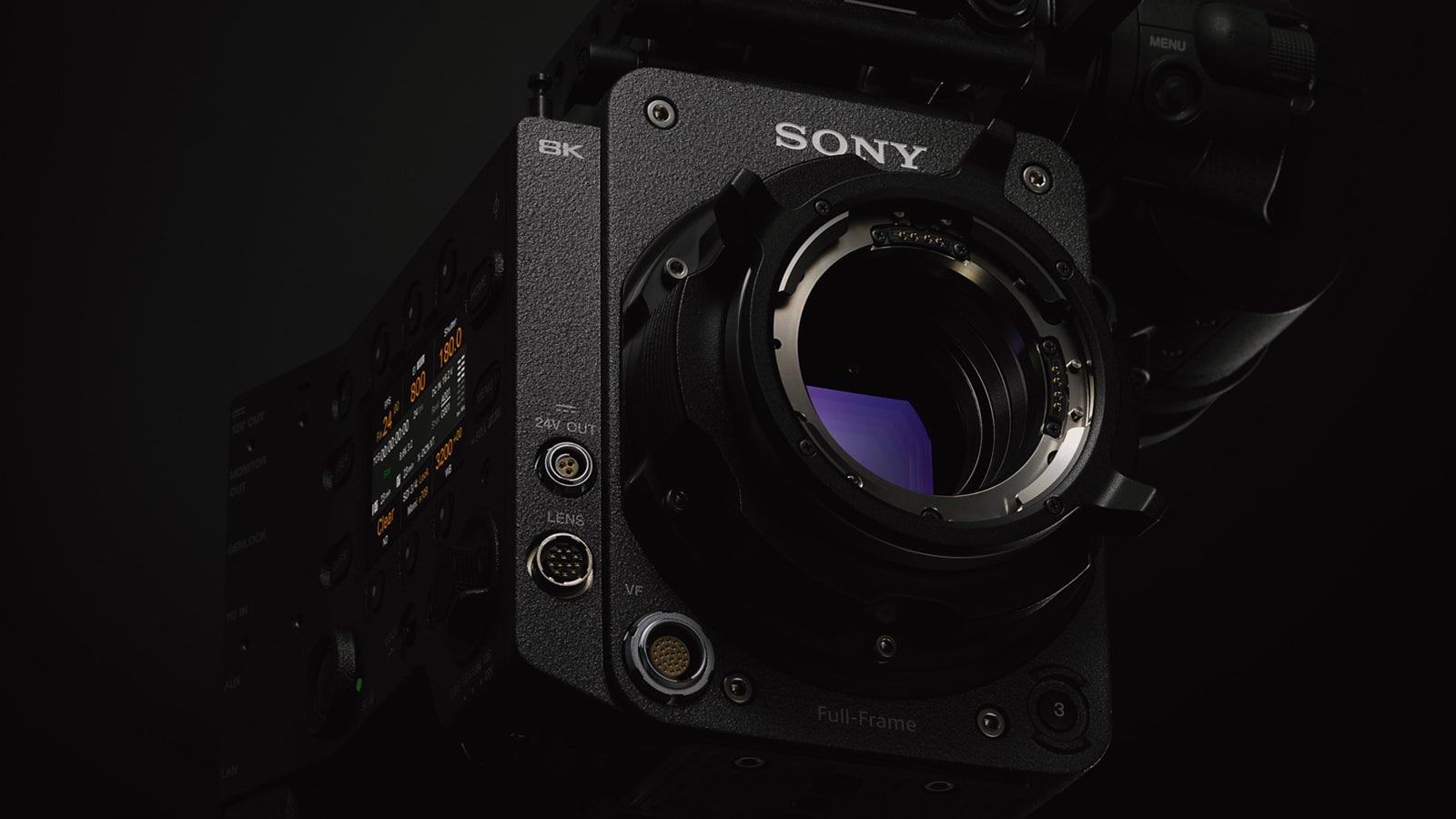
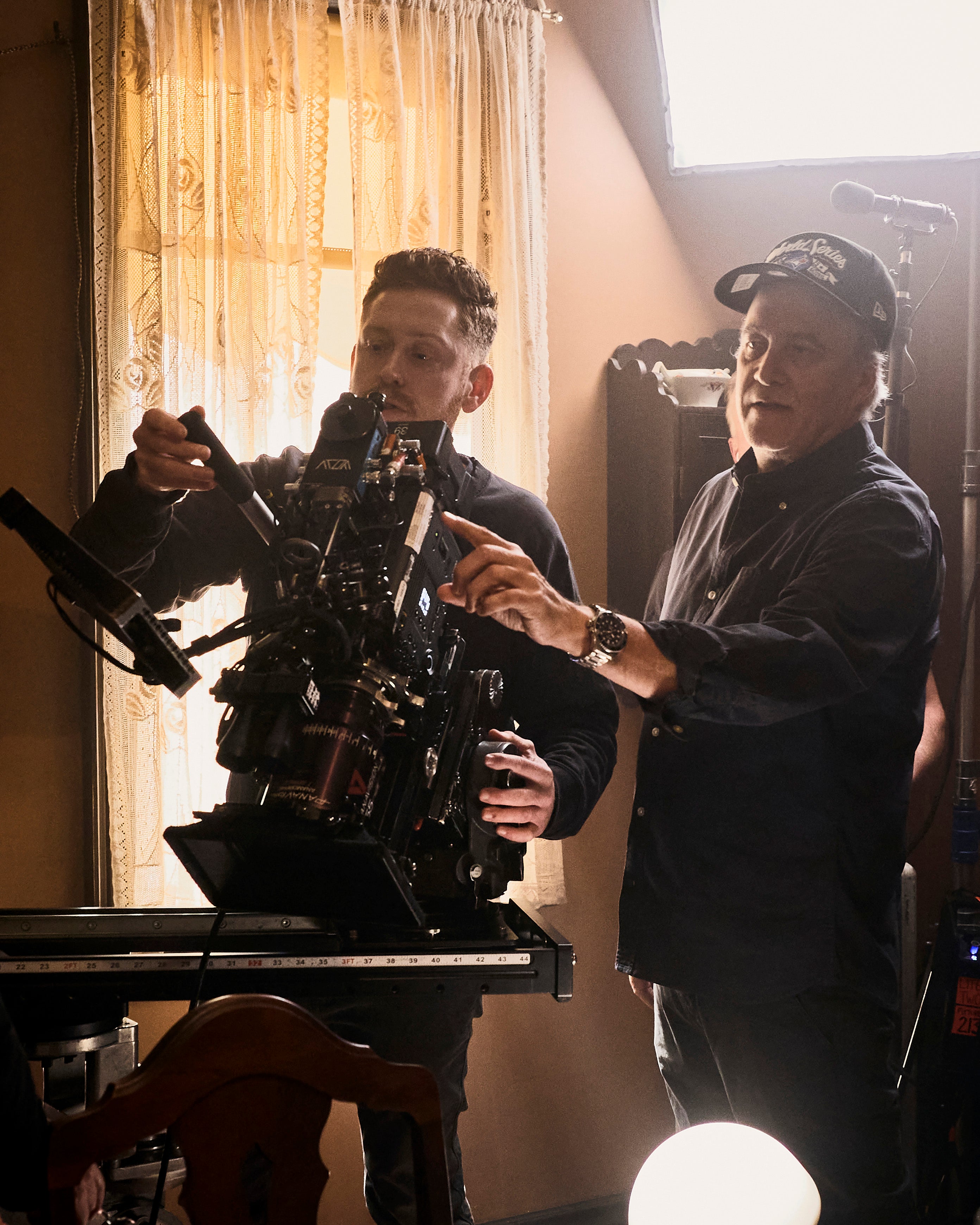
For Season 2 of Gen V, cinematographer Jonathon Cliff, CSC (The Boys), returned to the Vought Universe to further explore the world of Godolkin University School of Crimefighting and its young adult superheroes in the making. Captured on the Sony VENICE 2, Cliff and director Steve Boyum (Lethal Weapon, Black Sails) embraced 70s Hollywood cinema to tackle intimate character moments and epic fight sequences.
Sony Cine sat down with Cliff to learn more about the creative challenges he faced, the three creative rules that informed the series, and how the VENICE 2 helped him weave together the show's diverse elements.
Evolving the Look of Gen V For A New Season
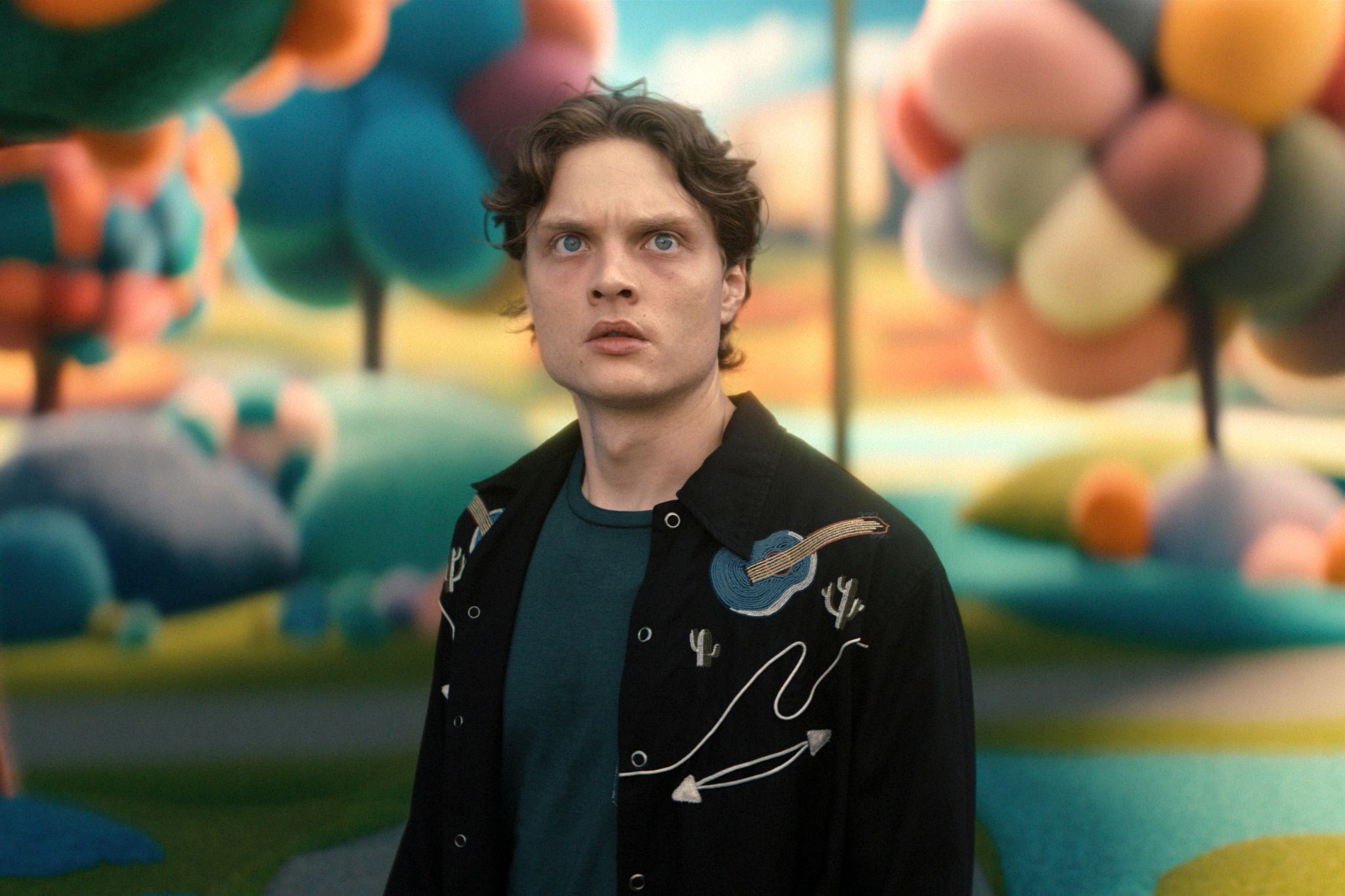
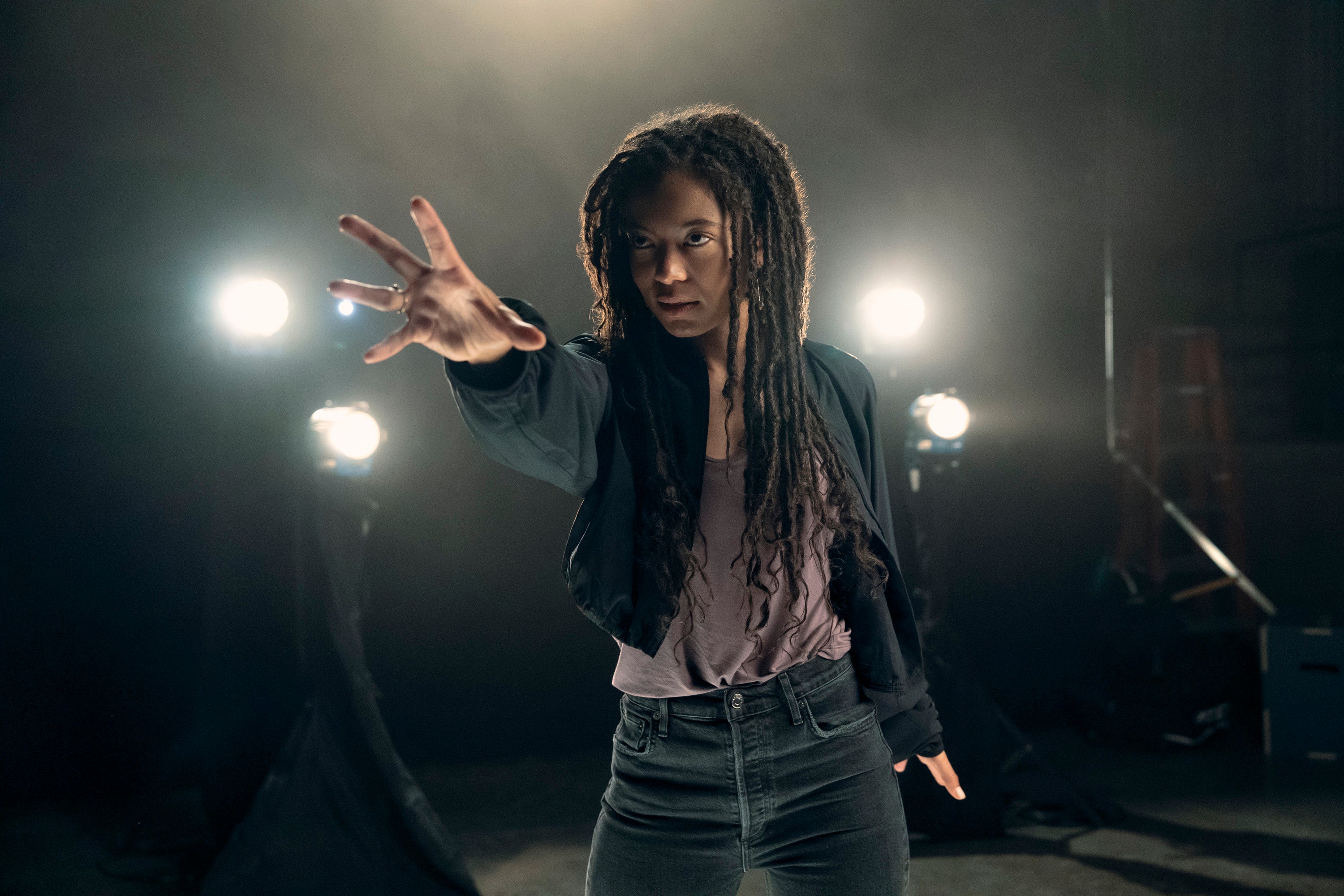
Season 2 of Gen V returned to Godolkin University and took place after the fourth season of The Boys, where Marie Moreau (Jaz Sinclair) and her friends were introduced to a new dean and a new training program. For Cliff, who had shot several episodes of Season 4 of The Boys, the world of Gen V was a different palette, offering new storytelling opportunities.
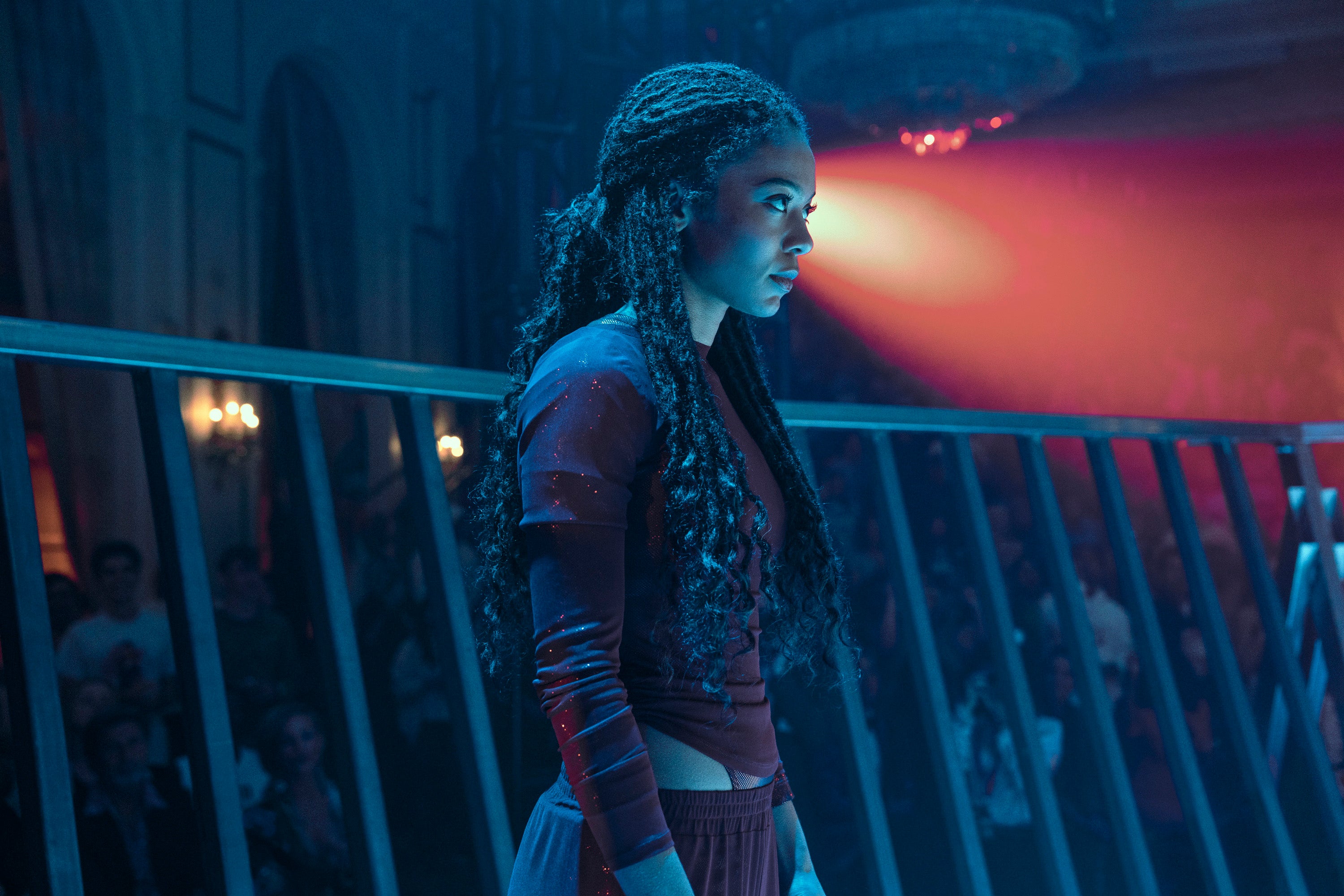
“When I first heard about Gen V, I was very intrigued by the idea of how the writers would transpose The Boys narrative for a younger demographic. There are similarities, and there are differences in the story and the visual style,” Cliff said. “I strived for a slightly more polished look, but still grounded strongly in naturalism and reality. In that way, [Boyum and I] consciously tried to push it more towards the Vought Universe from the look of Season 1, which involved a completely different creative team.”
This season would be the first time Cliff would work with Boyum, but the duo quickly found a common language based on their love for 70s films, which they called the Golden Age of Hollywood cinema.
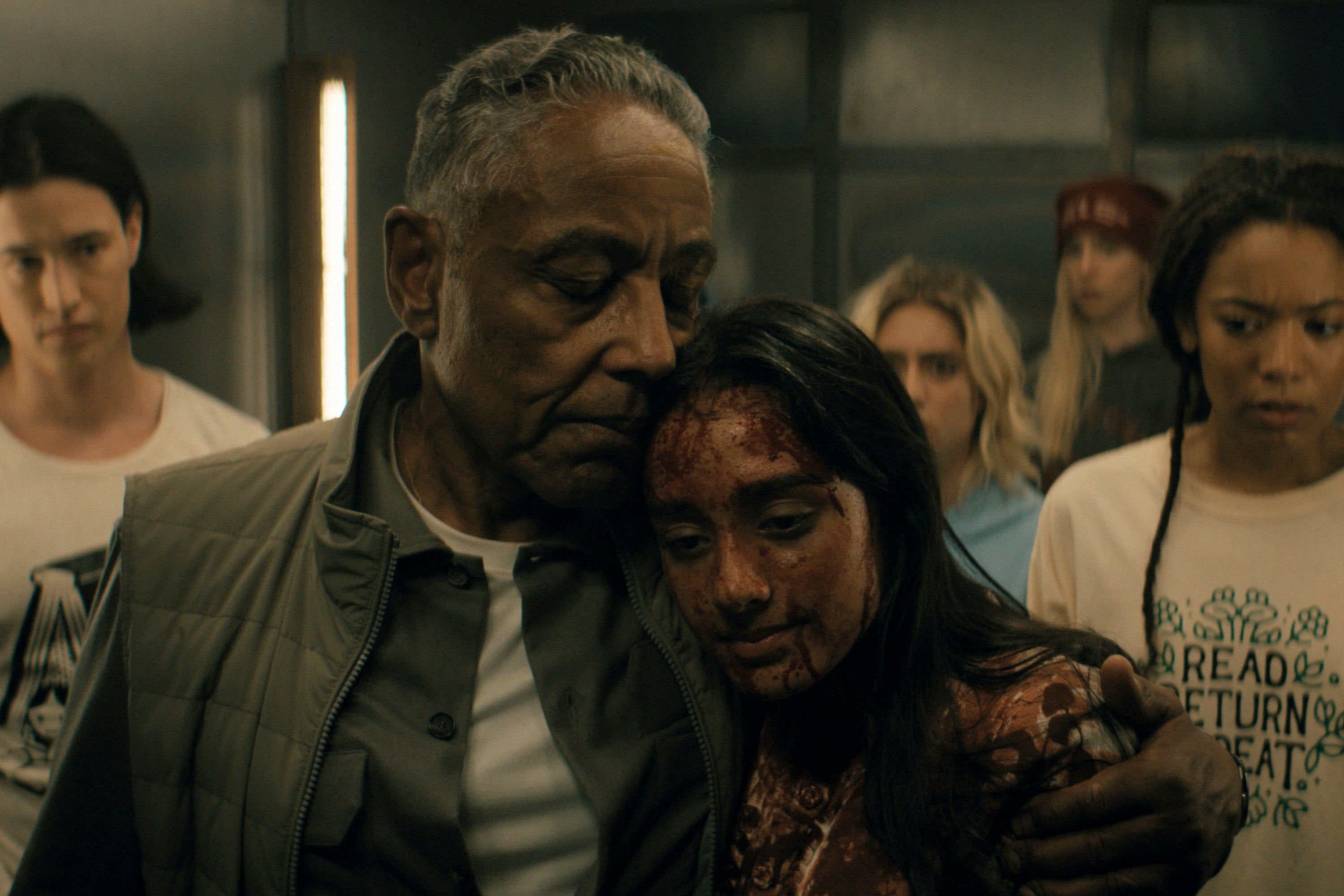
“There was a shorthand between us almost immediately, so the visual language of the show evolved from a shared sensibility,” Cliff explained. “I would sum it up in three short observations: The Extreme Close Up is underrated, the Medium shot is overrated, and Action sequences live far more effectively in Wide shots.”
“These simple rules of thumb really informed how to juggle back and forth between the intimate character moments on the show and the epic fight sequences.”
With this foundation, Cliff turned his creative lens to the characters to find the right approach to capture the different superhero powers on display. Working with Supervising Stunt Coordinator John Koyama, who also served as Associate Producer, the cinematographer avoided restricting the stunt team with excessive lighting and equipment, and gave his camera operators, Adam Tupper and Liam Ward, to freedom to “sell the brutality and immediacy of the violence in the stunt choreography.”
“In a universe where many different superheroes exist, one of the more challenging aspects to bring to the screen is their individual powers and how they interact with the real world,” Cliff said. “It becomes crucial to understand each character’s ‘power’ in order to shoot the action sequences in which those powers are utilized.”
“The grand climactic fight sequence in the final episode is a perfect example. These sequences had a range of different action beats, all executed within the context of a battle between many different characters with many different levels of powers. Some of them involve different types of interactive lighting, green screen elements, or purely VFX elements,” Cliff continued. “The final fight scene took something like 11 to 13 days to shoot and represented the culmination of all [the stunts, VFX, and SFX] departments coming together and executing a well-laid-out plan.”
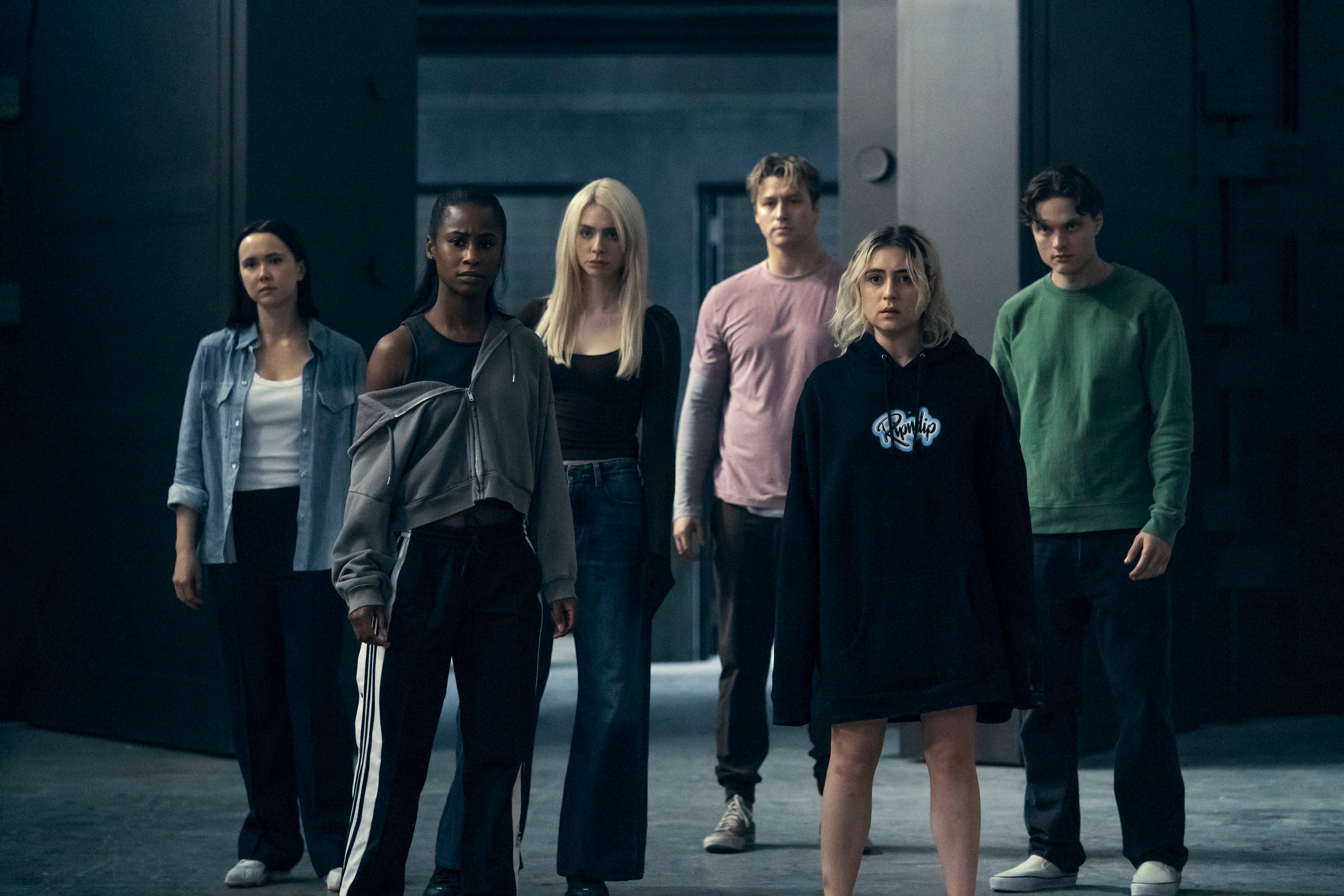
Even with so many elements to juggle, Cliff began each sequence in reality and only added in other elements when needed in post. This grounded approach posed unique challenges that allowed the SFX and VFX teams to flex their creative talents.
“The approach always starts with grounding the action in reality as much as possible and then enhancing as necessary in post. If you are going to throw a character through a wall, then build a wall and throw them through it. It just looks better if you at least try to do it as real as possible in camera,” Cliff said. “Oddly enough, the most challenging sequences to get right were the ‘Little Emma’ sequences in the Frat house party.”
“This involves shooting very precise plates in the regular-sized world and then building giant elements for the actor to interact with in the studio later. Whenever the actor physically interacts with a surface or object, it has to be very precisely scaled up to giant size in a very precise ratio. This meant building huge sinks, solo cups, wood flooring, toilets, and lamps for Lizzy Broadway, our actor, to walk on, swim in, etc.”
Why Cliff Chose the Sony VENICE 2 for Season 2 of Gen V
From intense action moments and intimate character moments to oddly-sized SFX and their matching live-action plates, Cliff needed a toolkit that could evolve with his needs. The Sony VENICE 2 allowed him to match the visual language of The Boys, which was shot on VENICE, but also provided an expanded palette of resolutions and formats that helped the cinematographer discover his visual language and support the VFX team.
“My choice to switch to the VENICE 2 in this universe was an easy one to make. The camera is a bit smaller and lighter, and in a shooting environment that uses a lot of handheld work, every ounce is critical,” Cliff explained. “I also love that it is such a Swiss army knife of different formats and resolutions. I personally love the Super 35 format, as I grew up with film both as a stills photographer and a cinematographer. It is essential to build upon the past while walking towards the future, so I appreciate when a digital cinema camera recognizes the history of filmmaking.”
“I also love anamorphic lenses, and I believe the 2x ratio in Super 35 represents a purity and blending of form and function that harkens back to my love of 70’s Hollywood filmmaking. I was extremely excited when I discovered the 5.8k Super 35 option in the VENICE 2. This route offered an upgrade to the resolution on the show and increased the lens options,” Cliff continued. “I am not a person who obsesses about resolution, as I am aware of the limits of what the human eye can register, but generally VFX teams appreciate when you can offer a bit more and 5.8k offers that over 4k.”
“On occasion, if you are shooting certain very VFX-heavy sequences, the choice can be made to up the resolution for those particular shots as needed. Having those other formats available, even if you only use them rarely, has a certain comfort factor for a cinematographer.”
How The VENICE 2 and the Sony Cinema Line Supports the Vought Universe
Gen V, as well as The Boys and other spin-offs for the Vought Universe, pose a unique challenge for cinematographers. The stories in these shows put a lot of demand not only on the crew but also on the equipment.
“These shows are also very multimedia-heavy. There is social media, news footage, broadcast TV, and commercials [elements]. It’s great to be able to use and integrate other cameras from the same [Sony Cinema Line] when branching out from the ‘main’ look of the show into these other formats.” Cliff explained. “I have enjoyed using the FX3, the FX6, and FX2 in order to complement and sometimes contrast different media elements within the body of this show and The Boys as well.”
“Staying within the same family of sensors and codecs but having a set of different tools really expands the brushes and the palette that I can bring to the story. [And] these camera systems are robust. On these productions, we really do put them through hell,” Cliff continued. “We shoot in extreme heat and extreme cold. We shoot in dense atmosphere, fire, explosions, and dust. We throw them around handheld and are constantly switching to other modes [such as] cranes and Steadicam on the fly. I have never lost time on set due to the failure of these machines to stand up to the constant rigors we subject them to.”
Catch Season 2 of Gen V now on Amazon Prime to see Cliff’s work in action. To learn more about the Sony VENICE 2 and the other cameras in the Sony Cinema Line, visit our Camera Comparison Chart.