07-14-2026 - Interviews & Behind The Scenes
Exploring Narrative Filmmaking with the Sony FX2
By: Yaroslav Altunin
Announced in May 2025, the Sony FX2 was released as a new entry point for independent creators to explore the broader Sony Cinema Line. While it had a similarly sized Full Frame sensor as the FX3, the higher resolution and built-in viewfinder of the FX2 opened the door for new creative opportunities.
It was within this space that New York-based cinematographer Jacob Hale and director Christian Jaramillo began to experiment with more exploratory storytelling. By consistently shooting short-form content with available light, talent, and equipment, a two-minute short film titled Thief was born.
Crafted from footage shot entirely on the FX2 and FX6, Thief showcases the storytelling that’s possible when there aren’t technical limitations to hinder creativity.
Sony Cine spoke with Hale to learn more about his creative process with Jaramillo, how the concept for Thief was brought to life, and how the FX2 became a camera that could reach across the length of a football field.
Creating An Emotional Connection
For Hale and Jaramillo, capturing a story isn’t a final goal. It’s a stepping stone to developing a body of work and strengthening a creative muscle. Most of their exploratory storytelling lives on their YouTube channels, where the challenge is sparking that emotional connection that keeps audiences engaged.
“It's hard for somebody to look at something like a full film, especially if they're on their phone. Like, am I ready to commit 10 minutes right now and watch this whole thing? But if you catch their attention, they're not going to turn it off,” Hale said. “There's something, at least in my mind, to figuring out what that emotional connection is that they're going to have and trying to grab that, and then see if you grab them, will they stay?”
The collaboration between Jaramillo and Hale begins on the page. The former writes, while the latter edits and transforms the script into a visual language that could be captured with no money and no time. For the duo, it’s all about consistency.
“We try to make it a goal to shoot a lot,” Hale said. “Specifically, from the Sony camera side, that’s why we shoot the way we do. We like the serendipity of it. We like feeling a little bit off the cuff, even though we're controlling certain things. The goal with a lot of what we're shooting is to try to capture something that's like a little bit raw.”
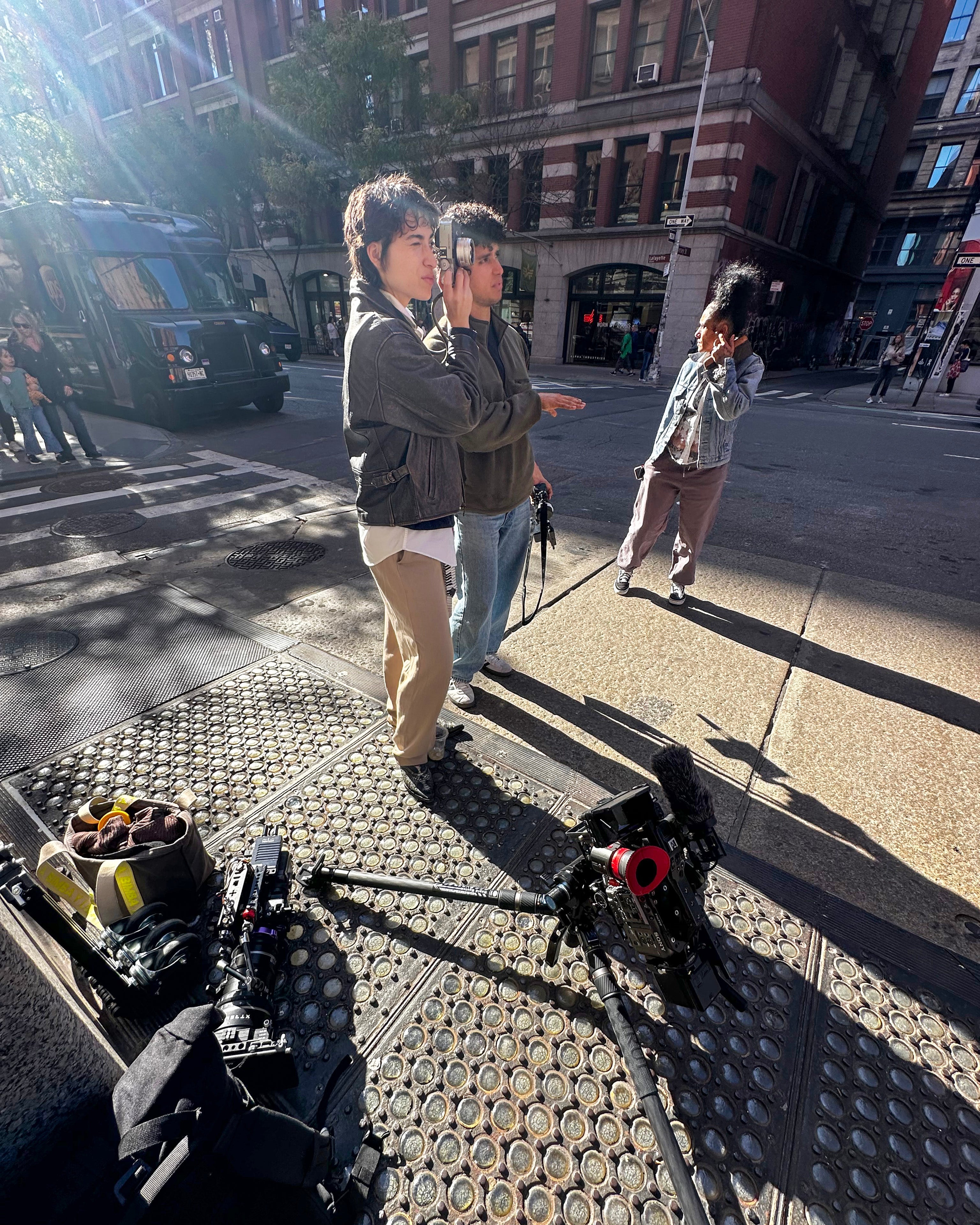
Consistently shooting like this demands that Hale and Jaramillo adapt to an evolving slate of availabilities. From actors to locations, and with New York as their backdrop, the work becomes an exercise in discovery. What can they capture with the things that are available to them, and what sort of narrative can they discover within those elements?
"It's a learning process. We're just trying to get into that rhythm of finding different stories we want to tell,” Hale said. “[Thief], in particular, is so short, the question was, could we tell something really quickly, and could we make something that was contained, narrative-wise, in a minute or two minutes.”
Thriving in Creative Discovery
This no-budget, film-consistent workflow was a challenge to define early on, and creative discussions between Hale and Jaramillo went back and forth on visual language. With inspiration that Hale found in classical French cinema, the creative duo settled on the feeling of a scene versus how they wanted it to look.
“Criterion Channel has this behind the scenes called Un Certain Regard. It's like an old French TV show of behind the scenes. There are a few different films on there, but one of them was just this film in France that I was watching somebody direct,” Hale explained. “[The director] would come into the room, he’d watch the scene take place, and then after watching it play out a few different times, he’d go ‘Okay, camera goes here, camera goes here, and camera goes here.’ And I feel like we've been inspired by that, and we almost work that way. We know how the scene wants to feel, how we want the scene to feel, but we don't really set anything until we get on set, we feel it out, we rehearse, rehearse, rehearse, and shoot it all in one go.”
This new approach has now connected Hale more to the talent and the story of the scene. However, finding a camera that could be just as versatile proved to be a challenge. With the Sony FX2, Hale found a tool that gave him the same connection.
“For the longest time, I wanted a director's viewfinder that really felt like a director's viewfinder and that I could actually shoot stuff with, “Hale said. “And as we started shooting more narrative, I also really wanted something that [could shoot] Super 35 because, especially in New York [where] people are walking around, and there's so much going on, it's tough weight-wise to get a long lens that is also full frame."
Unlike the FX3, the FX2 could shoot 4K in Super 35, allowing the cinematographer to choose from an expanded set of lens options that could support this shooting style.
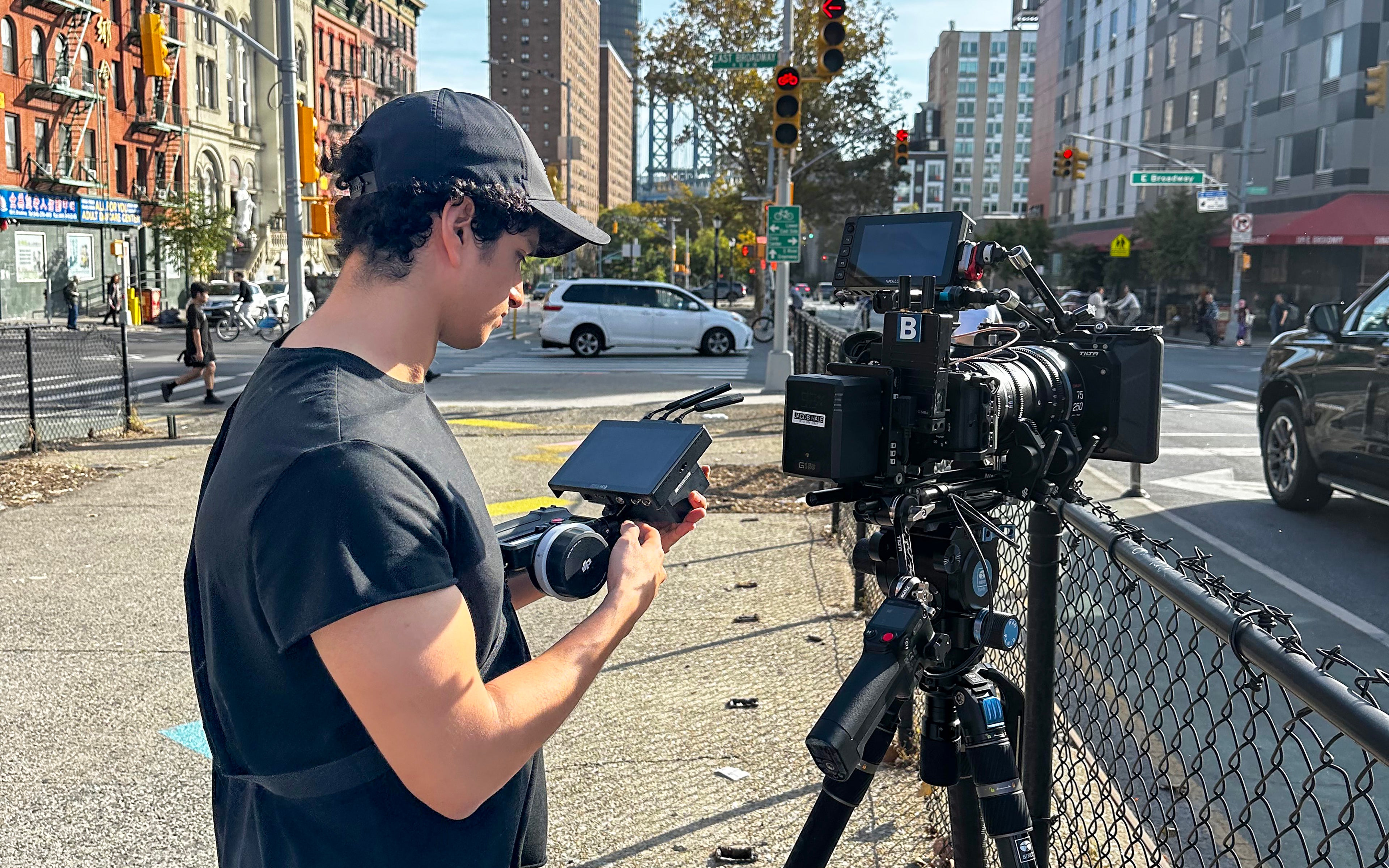
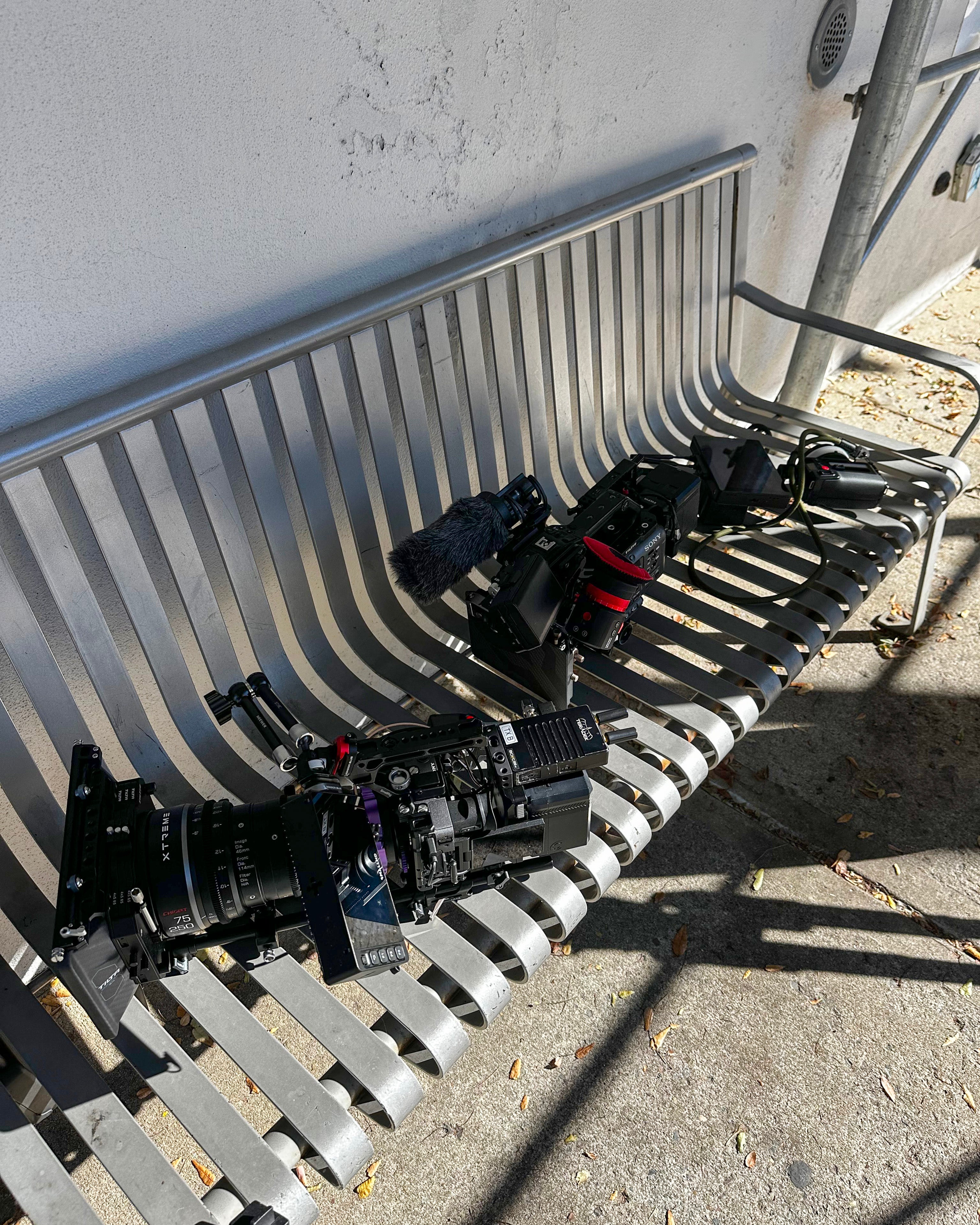
“The camera and a zoom lens together are a pretty big package. That’s a lot of power that I'm drawing. I've got three motors for the zoom, and I was running into small issues that I was having to solve by making the camera bigger. And that’s frustrating for the way we try to shoot,” Hale added. “When the FX2 came out, I could put the zoom lens on it, I didn't have to power an EVF, and I could get the package the same length as my FX6 with a prime lens on it.”
The FX2 was a camera that could not only match Hale’s FX6 but, in certain scenarios, be more efficient for the type of footage he and Jaramillo were shooting. It was less gear to carry around New York, more power efficient, and provided more versatile resolution options over Hale’s FX3.
“That kind of efficiency really helps. I can carry it onto the train, and we don’t have to worry about getting an Uber to carry gear around,” Hale said. “It's pretty much replaced the FX3 for me. I still love the FX3, it’s useful for certain things, but the FX2, because the EVF, I feel like it's just so much more versatile.”
“The workflow of these smaller cameras has really changed how I shoot, how much crew I have to have around, and the support gear I need,” Hale continued. “It’s been great being able to have that flexibility and have gear that I can walk out the door with and that I know I'm not gonna have to bring hard NDs with me and I'm not gonna have to bring extra batteries.”
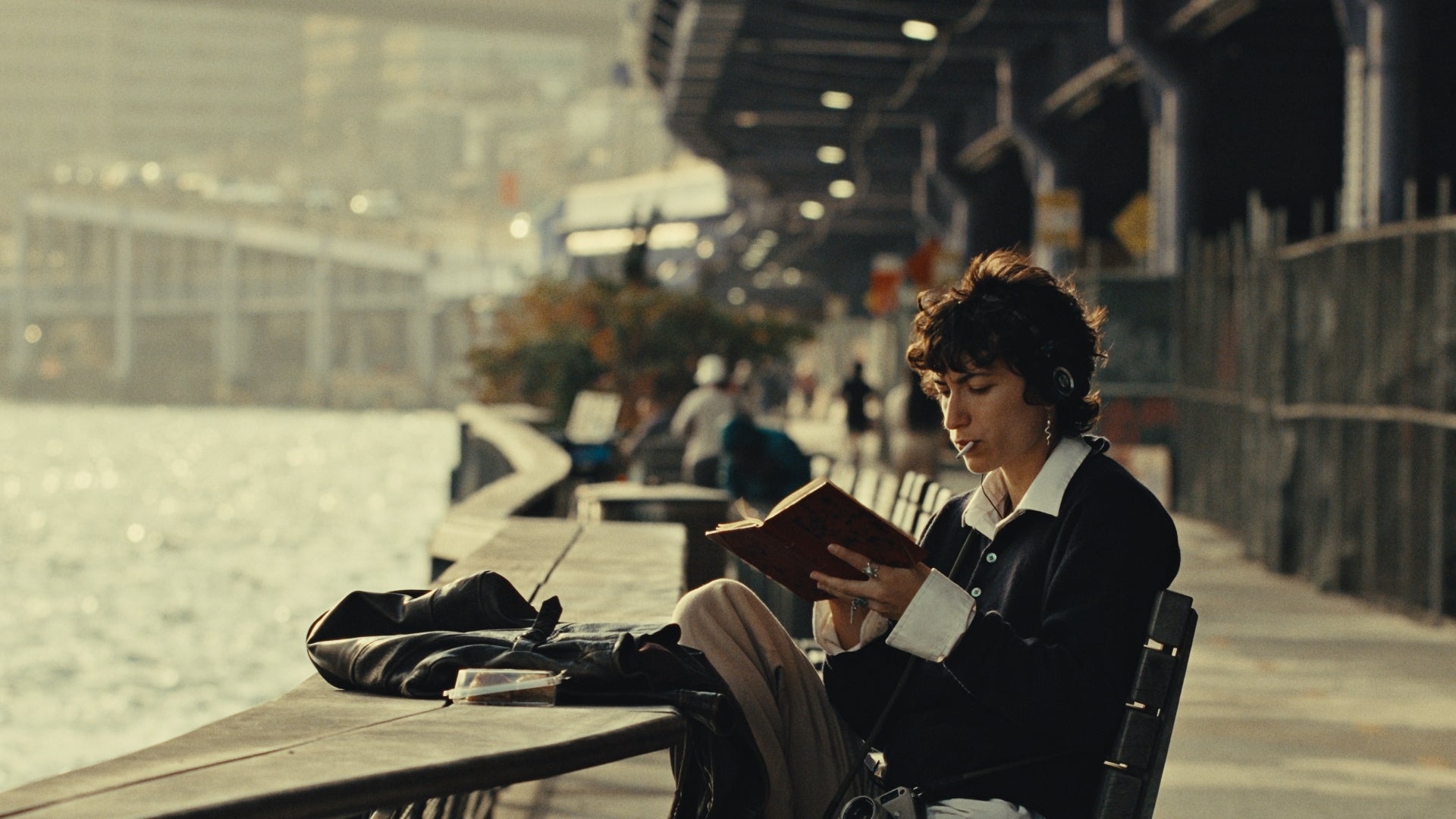
Using the Sony FX2 in a Narrative Space
As an exploratory piece, Thief came to life from a rough story that Jaramillo wrote and from bits of footage that Hale shot with their two actors. Some footage never made it to the final cut, and while both the FX6 and FX2 were used, only four shots from the FX6 made it into the film.
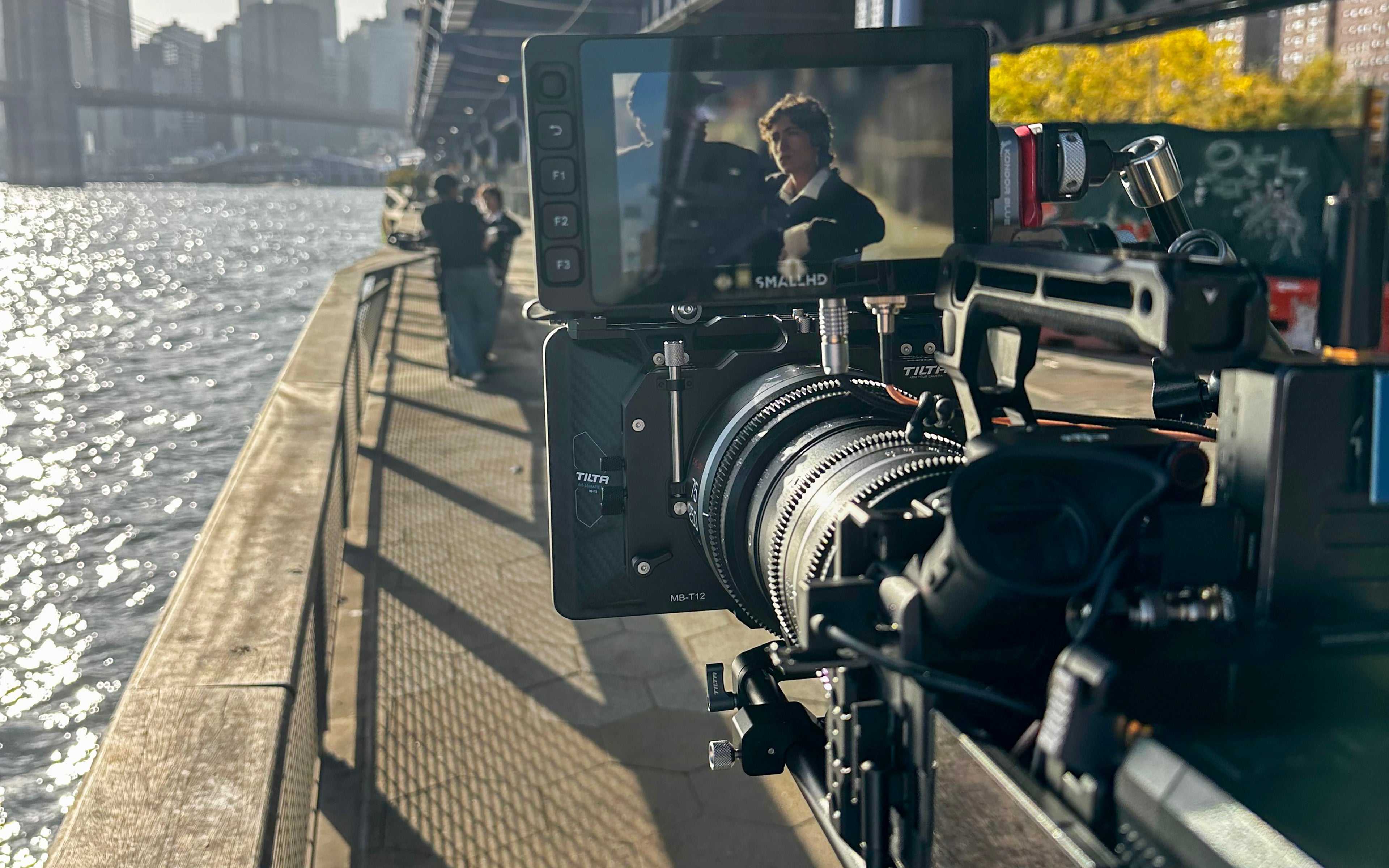
“I was really excited about the FX2 when we shot Thief. I was using it a lot, especially with the zooms,” Hale said. “I just got a Chiopt Xtreme Zoom 75-250mm, basically the smallest zoom over 200 millimeters that I could find that would power zoom.”
This setup was such a powerful combination that Hale could capture footage with a hyper-telephoto focal length. Even a block away, the FX2’s IBIS kept the image steady.
“I used the in-body stabilization and I use the clear image zoom a lot,” Hale said. “I didn't think I would, but I really ended up using it a ton. I've gotten the equivalent of a 1200mm with that [Chiopt] lens, which has been fun to shoot beyond a building or a block away and track somebody walking down the street.”
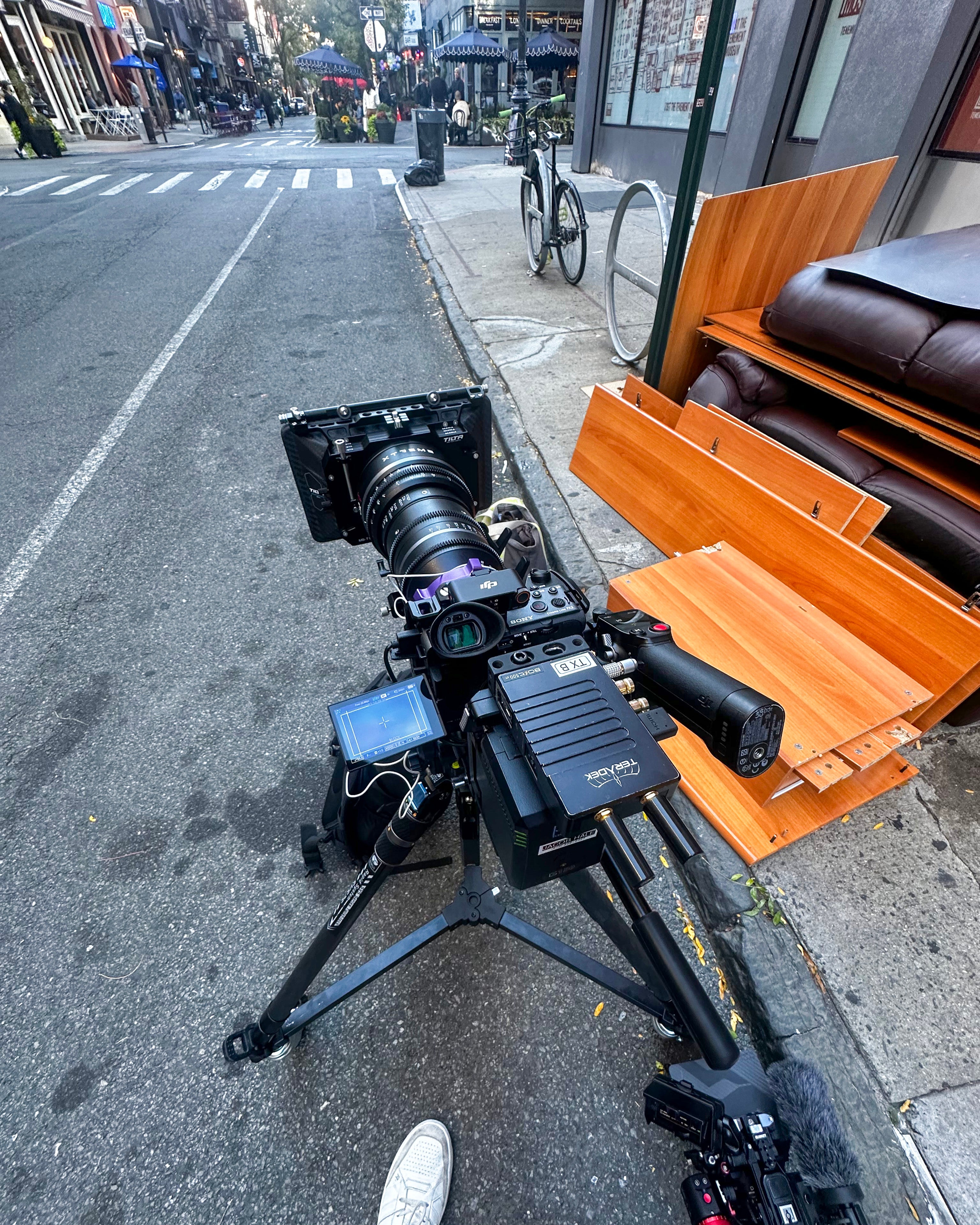
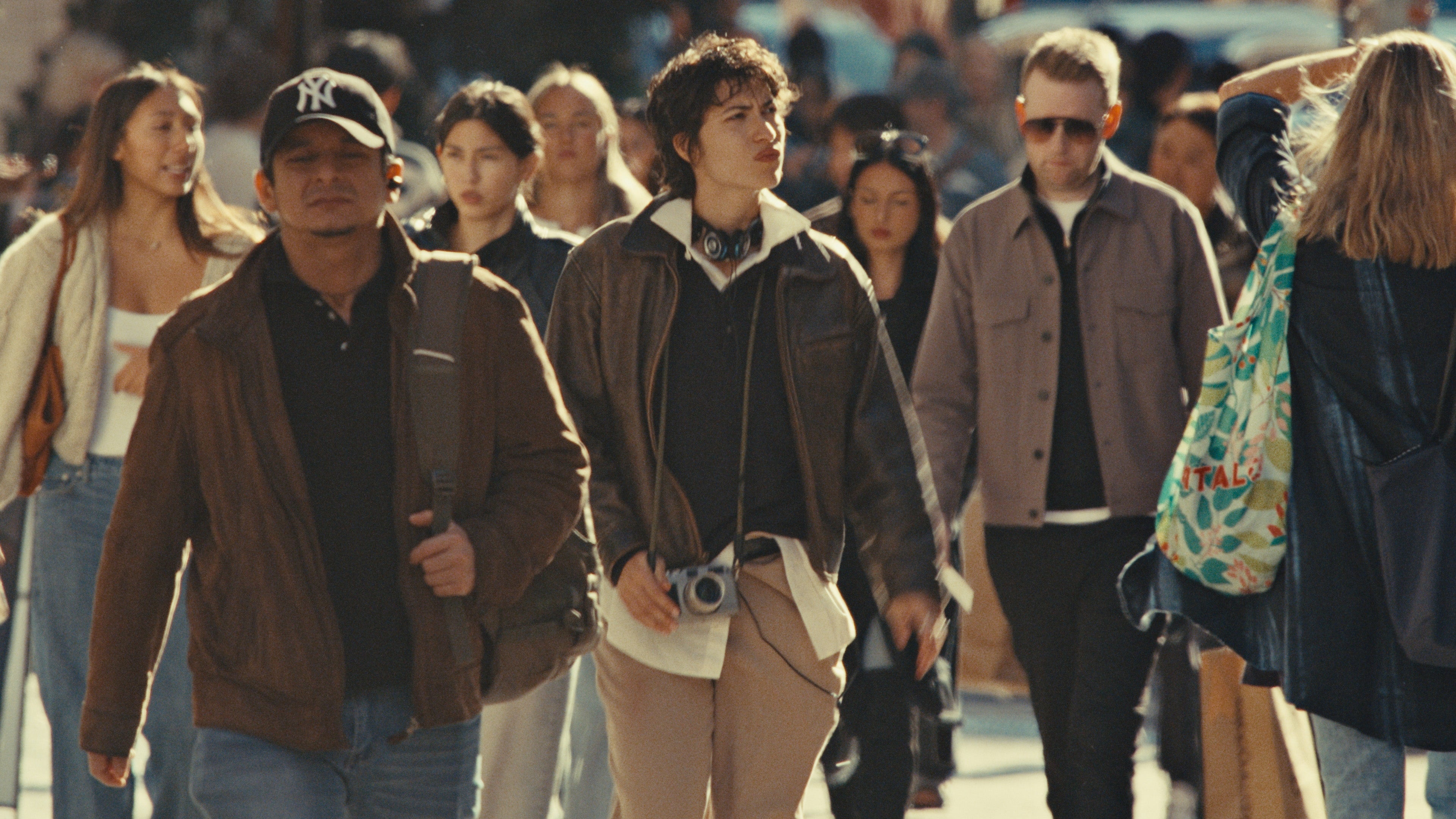
But it was the compact size that allowed Hale to capture footage of his actors on a busy street or on a crowded train. With the guerrilla-style filmmaking that he and Jaramillo have embraced, remaining incognito was critical for both story and coverage.
“There are times where we’re trying to shoot on the train, where the FX6 can do it, but people look into the camera, which you know, for better or worse, we can't pay everybody not to look into the camera. So being able to hide the fact that we're shooting and shoot a quick scene of somebody standing and not everybody's staring at you. It’s kind of miraculous,” Hale said. “There’s another thing that we shot, where there are five shots, they're wide, and not a single person is looking at the camera. I’ve used that footage to send to other people to tell them this is why I love the [FX2].”
Further still, the Dual Base ISO on FX2 let Hale embrace a workflow he picked up in his celluloid days, and much like in his work with Jaramillo, it also helped him find the consistency in his frame.
“I've been in love with the sensor on FX6 and FX3 for a really long time because of the low light,” Hale said. “That's what originally brought me over to that camera. And because [the FX2] has ISO 4000, I pretty much leave it there. I don't like dynamic range. This might be a controversial thing to say, but all my LUTs, I intentionally add contrast and bring it to 10 stops because I shoot a lot of film as well, so I really just want consistency.”
“Things feel punchy, especially at night. I feel like I pick up on colors differently, especially primary colors. I feel I get more skin tones at night, at least in dark situations. Even though I could probably expose at ISO 800, I just feel like I get more information in the skin.”
Freedom To Create
Between the FX2, FX3, and FX6, Hale is a cinematographer firmly planted in the Sony Ecosystem. While the feature set from all three cameras provides crucial support to how he and Jaramillo shoot, it’s the freedom that the toolkit provides that matters most.
“There's a lot of that serendipity,” Hale said. “And then with that french new wave film, seeing behind the process and just watching somebody else do that and be like, ‘Oh, we're not crazy.’ This is how we should have been shooting the whole time.’”
To see more of Hale’s work, visit his website or Jaramillo’s YouTube Channel. To learn more about the FX2 and the other cameras in the Sony Cinema Line, visit our Camera Comparison Chart.


