01-06-2026 - Filmmaker Interviews
“Black Rabbit”: DPs Igor Martinović, ASC, and Peter Konczal, ASC Deconstruct the Gritty Layers of a Modern Thriller
By: Yaroslav Altunin
Netflix's Black Rabbit is a modern thriller, layered with artistic grit that weaves together the look of 70s movies with a modern New York skyline. Written and created by Zach Baylin (Creed III, Gran Turismo) and Executive Produced by Kate Susman (The Order), the film stars Jude Law (The New Pope, Skeleton Crew) and Jason Bateman (Ozark).
To lens the eight-episode series, Bateman — who also directed Episodes 1 and 2 — brought on cinematographer Igor Martinović, ASC (The Night Of, George and Tammy) and Peter Konczal, ASC (Fargo, House of Cards), who built up a visual cornucopia of layers before dismantling them in step with the story.
Sony Cine sat down with both Martinović and Konczal to explore the unique techniques they employed to craft the look of Black Rabbit and how they balanced the evolution of the visual language across eight episodes.
Filmmaker Interview: How Martinović and Konczal Built the Look of Black Rabbit
Set in modern-day New York, Black Rabbit follows the exploits of Jake and Vince Friedken, two brothers played by Law and Bateman, respectively, as they battle the chaos of their familial relationship and tackle the challenges of running the hottest restaurant in town. For Martinović, who shot the first two episodes and set the look of the show, New York played a pivotal role in the early creative discussions.
"There are so many elements of this story that I really liked," Martinović said. "The narrative elements, as well as the idea of portraying the New York nightlife scene and the New York underbelly, all while trying to create a look that would give justice to the energy of the city."
"One of the major elements of creating that look was not to create images that are necessarily beautiful, but infusing them with a vivid, dynamic energy. We aimed to craft a look that feels raw and unpolished."
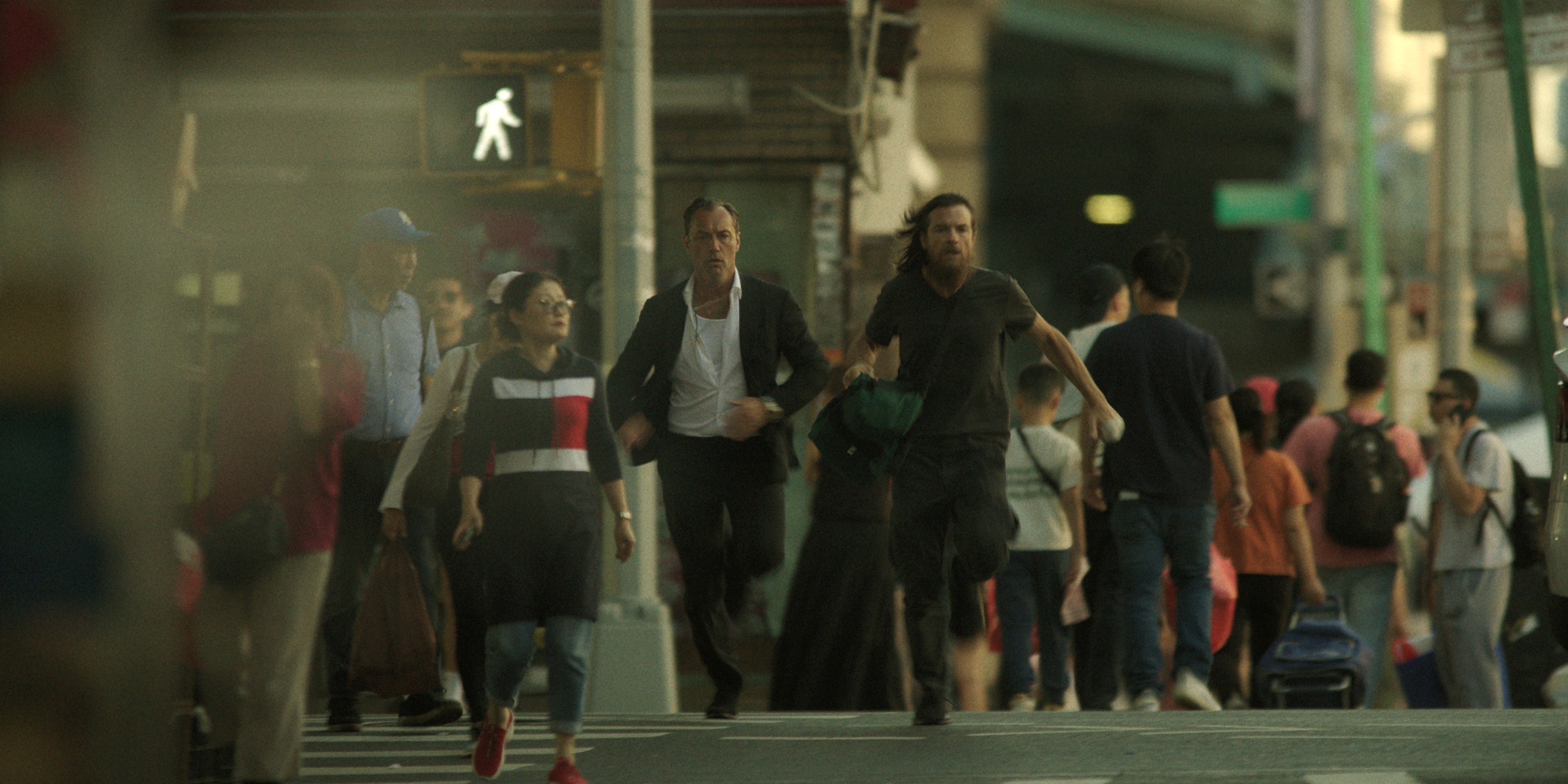
In embracing the rough and unpolished energy, Martinović was pulled towards the gritty world of 1970s New York, exploring how the city was portrayed in movies from that decade. This was blended with a modern interpretation of the city, drawn from present-day photographs that were more in line with the time period of the show.
"We talked a lot about how the city is photographed in recent years, and we talked a lot about the movies that portray New York from the 70s, which is my favorite part of American movie storytelling," Martinović said. "We all agreed that the energy and dynamism are something that would drive our look."
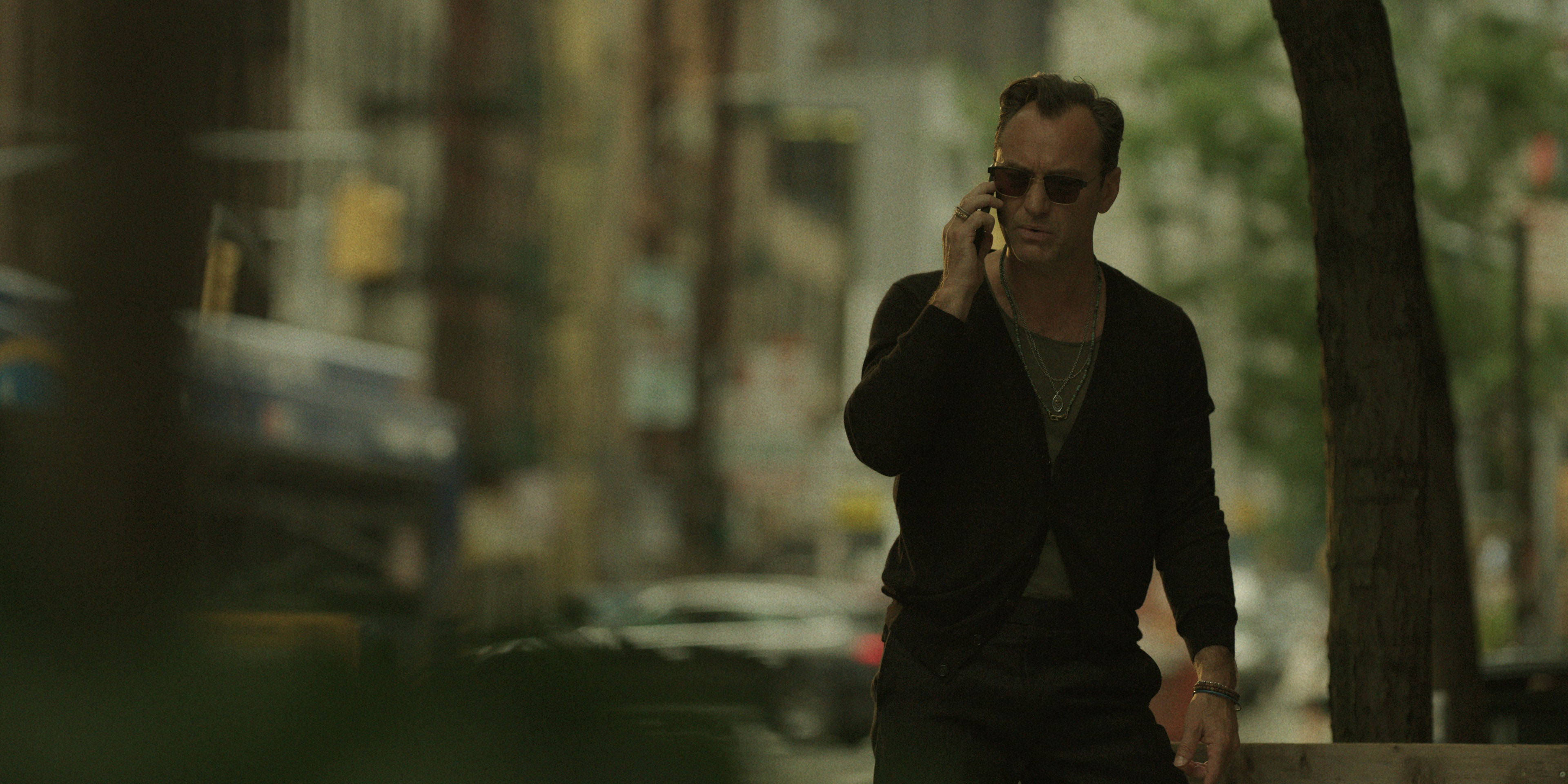
Drawing on these visual references, Martinović and Bateman went even further, layering the image with LiveGrain — which they also used on set — to create compositions that would demand audiences to interact with the frame to uncover the nuances Martinović hid within.
"The grain was important. Seeing deep into black areas. A moody image," Martinović explained. "We wanted audiences to get drawn into it. The idea was to engage the audience not by giving them a clear, easily readable image, but by encouraging them to participate by discovering the details hidden within it.”
"Many times, I would look at the monitor, and the image would look too polished. So I would go to Luke Taylor, the DIT, and say, 'Let's destroy this.' Because the goal was not to create beautiful images. We wanted to capture the emotion, how the characters feel at those moments, as well as the pulse and movement of the city.”
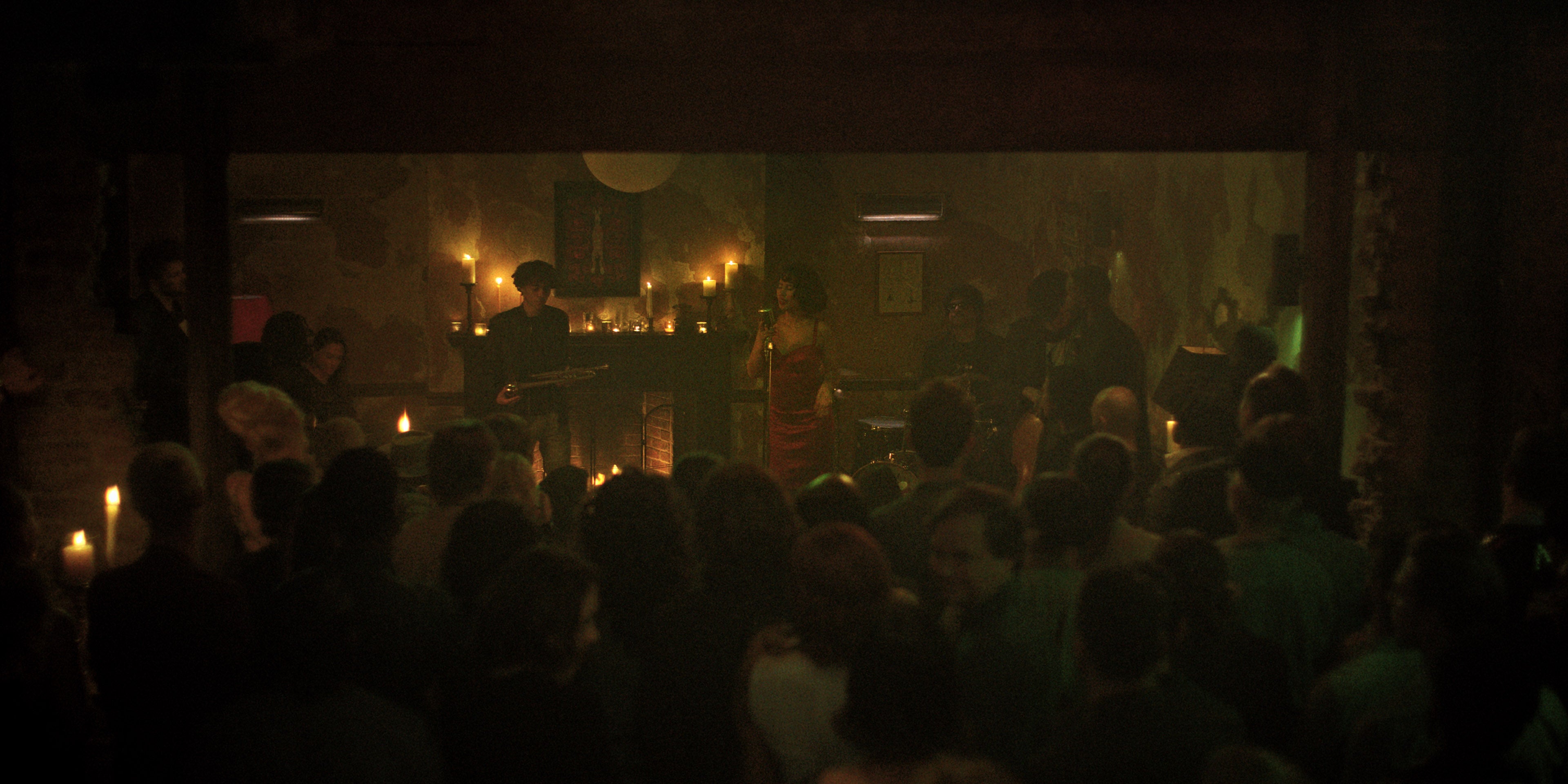
At first, the Friedken brothers each have their own visual motifs. Lighting and color choices separate them into different worlds. As the show evolves, their differences are revealed as a facade in gradual steps, a process that Martinović and Konczal mirrored in their visual language.
"There was a certain color palette and lighting scheme that we used for Jason's character and another for Jude's character," Martinović said. "Jude's storyline was visually presented through an overall smoother look, with softer lighting and a color palette that complements the interior of the Black Rabbit restaurant and lounge. There are a lot of reds and greens and plenty of warmth.”
"And then for Jason's character, we worked with a lot of magenta and fluorescent greens, a much less pleasing color palette to reflect his rawness and unpolished nature.” Martinović continued. "As the story progresses, these two worlds merge, and you start to understand that both of the brothers have a dark side. From that point forward, we shifted to harsher lighting, more handheld movement, and deliberately degrading image to more fully capture the spiral into the rabbit hole."
Filmmaker Interview: Deconstructing the Visual Language of Black Rabbit
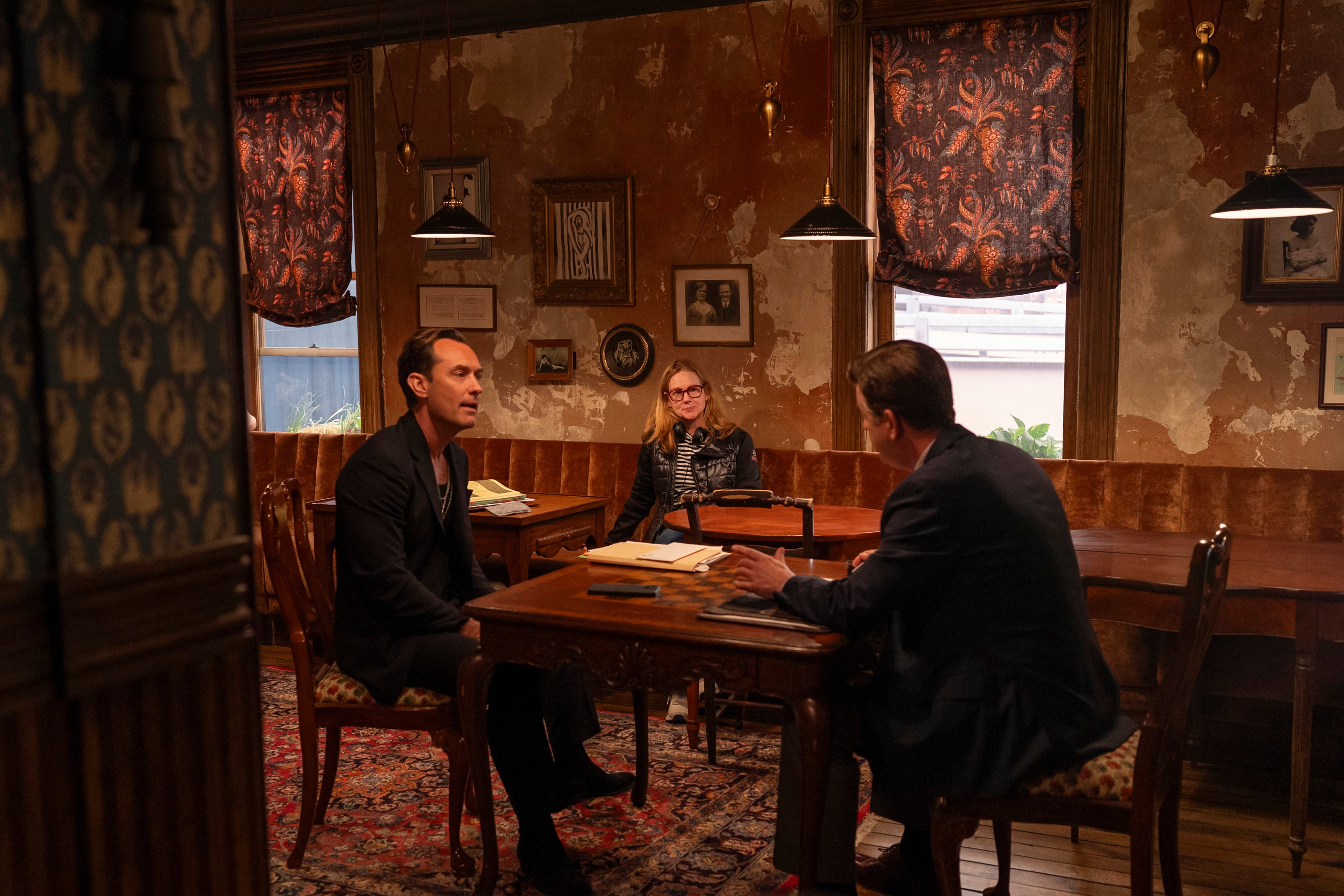
Shot in two episode blocks, Black Rabbit was not a series that remained visually consistent. Martinović and Konczal had to maintain a constant dialogue as they worked with different directors, sharing their creative discoveries to push and evolve the show's visual language.
"I remember calling Igor and saying, 'Okay, I'm going into these next two episodes, and I'm going to start cracking the look a little bit. I'm going to start making certain scenes a little bit nastier and dirtier,'" Konczal said. "I found myself sending frames and certain scenes to Igor [and saying] this is what I'm doing, and Igor would be like, 'Oh, this is great. I'll build on this when Ben Semenov comes in, then we'll take it even further than that.'"
Martinović began his episodes with a unique technique he developed while shooting day-for-night in the Mexican desert. It started as an effect but would eventually become a way to have more control over the composition, which the cinematographer leaned on quite heavily to find the grit he needed for Black Rabbit.
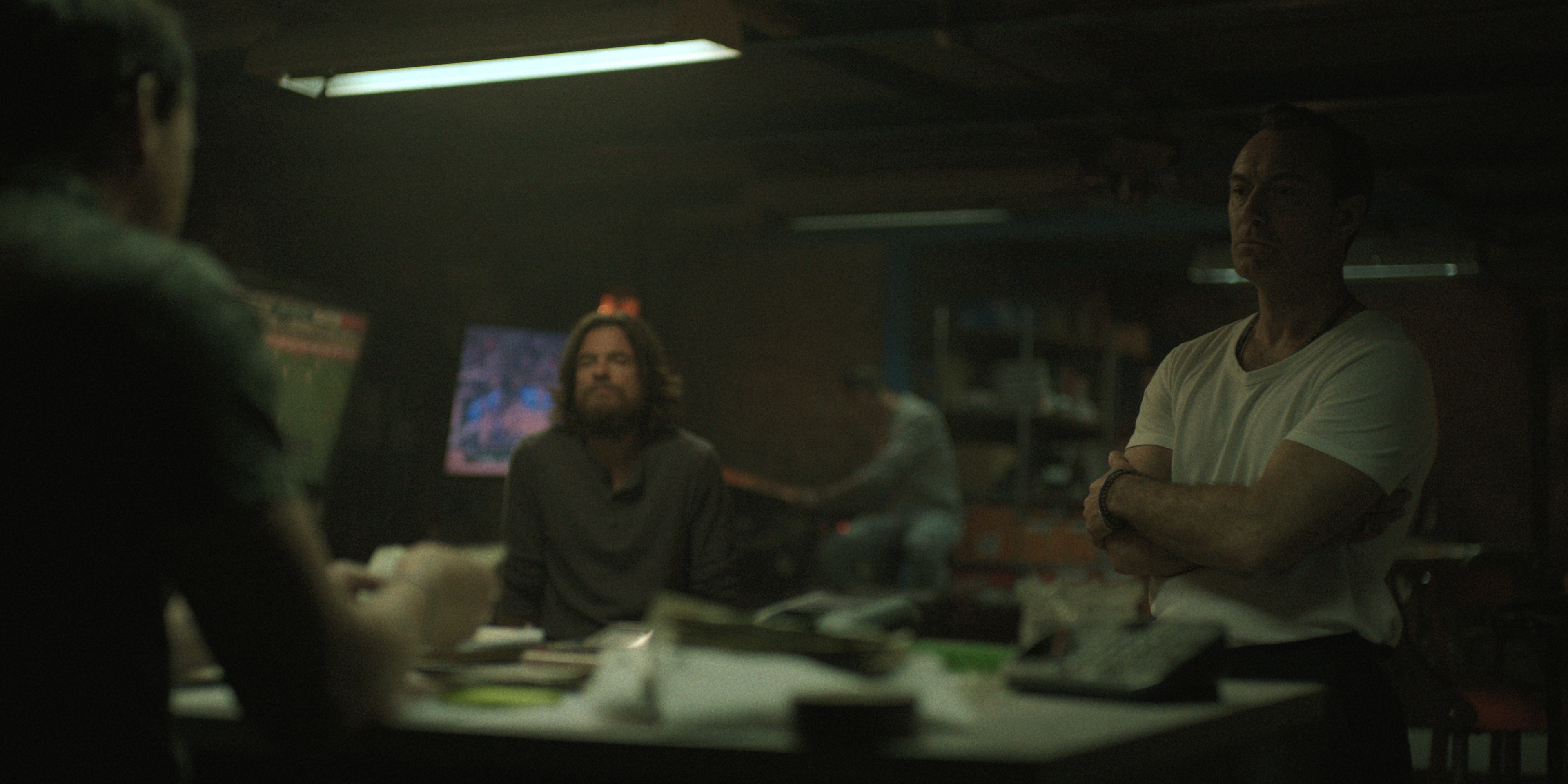
"I'm not drawn to digital images that look overly pristine, so I break them down as much as I can," Martinović said. "I used vintage lenses and then crafted my own filters. I took clear glass filters and charred them, creating a set of ten custom pieces. We chose among them depending on the lens or the situation we were in.”
"I use them almost as power windows. So if a part of the frame is bright, I just char the filter on that part. The entire show was filmed through those charred, clear glass filters."
When Konczal took over, starting with Episodes 3 and 4, which Laura Linney directed, he embraced the charred filters Martinović had been playing with. However, instead of using the same technique, Konczal gave it his own spin.
"I saw what Igor was doing with the smoke filters, and I started bringing out these like cheap little glass rulers and started dressing the frames," Konczal said. "We were trying to make it feel like the camera was looking through these layers, and that as we went, we would start deconstructing and pulling those layers away."
Filmmaker Interview: Martinović and Konczal Light for Emotion and Frame for Honesty
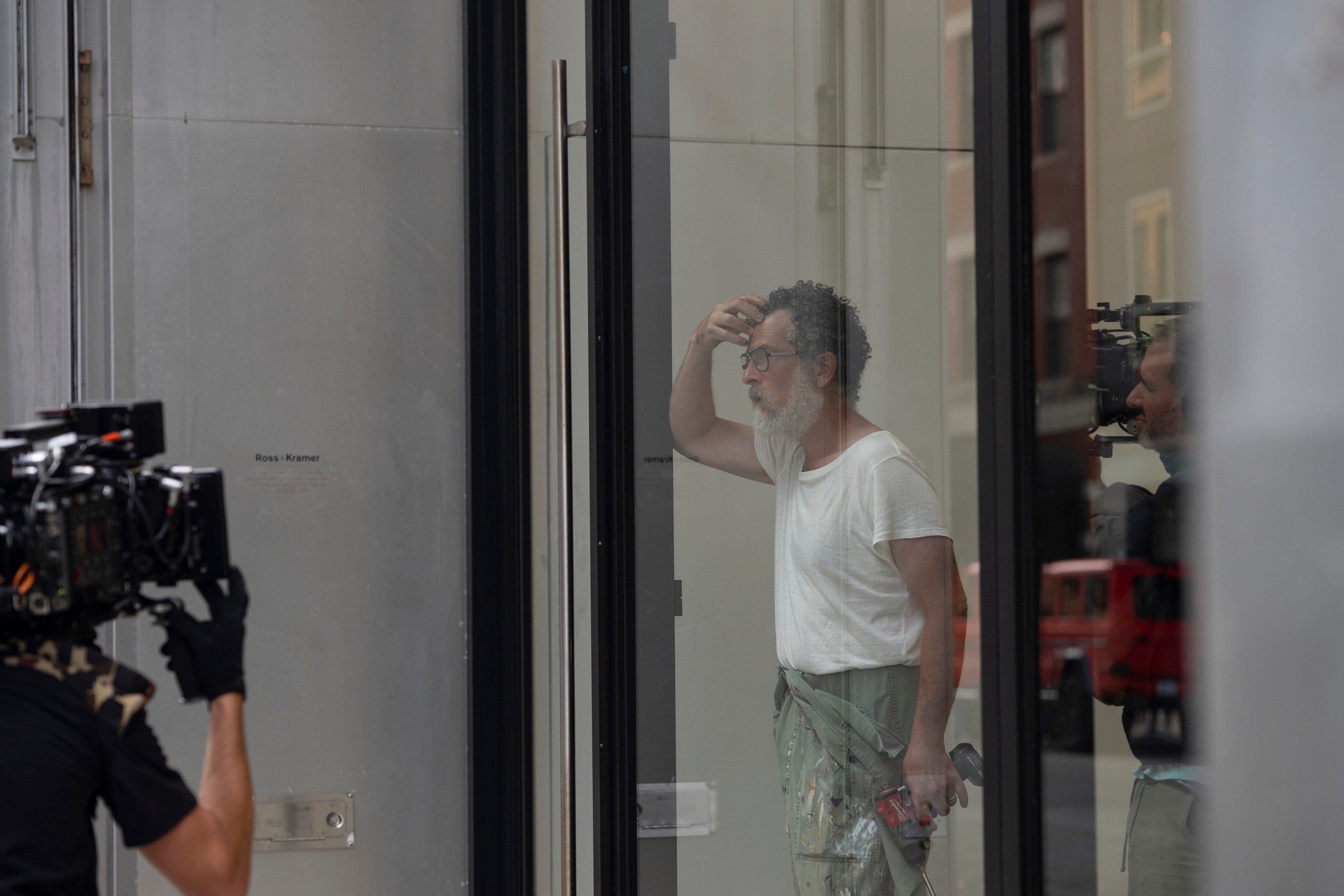
These filter and lens techniques were combined with a lighting approach that focused on freedom for the actors and camera operators. Martinović and Konczal were searching for a natural frame that felt honest to the world that Vince and Jake inhabited. To achieve this, Martinović focused on giving the actors the space they needed to play.
"I like to give actors a lot of room on set. I like to light with large units through set windows as well as a few small units that don't clutter the space," Martinović said. "We never lit for actors, we never lit for shots. We light the space and whatever happens, happens. [The actors] inhabit the space. And in some way, that added to the naturalistic look that we were after."
To further this natural look, Martinović created lighting that felt alive in the frame. Instead of putting light on cranes, everything was predominantly set up on the ground. And to give them life, Martinović programmed these lights to breathe in the frame.
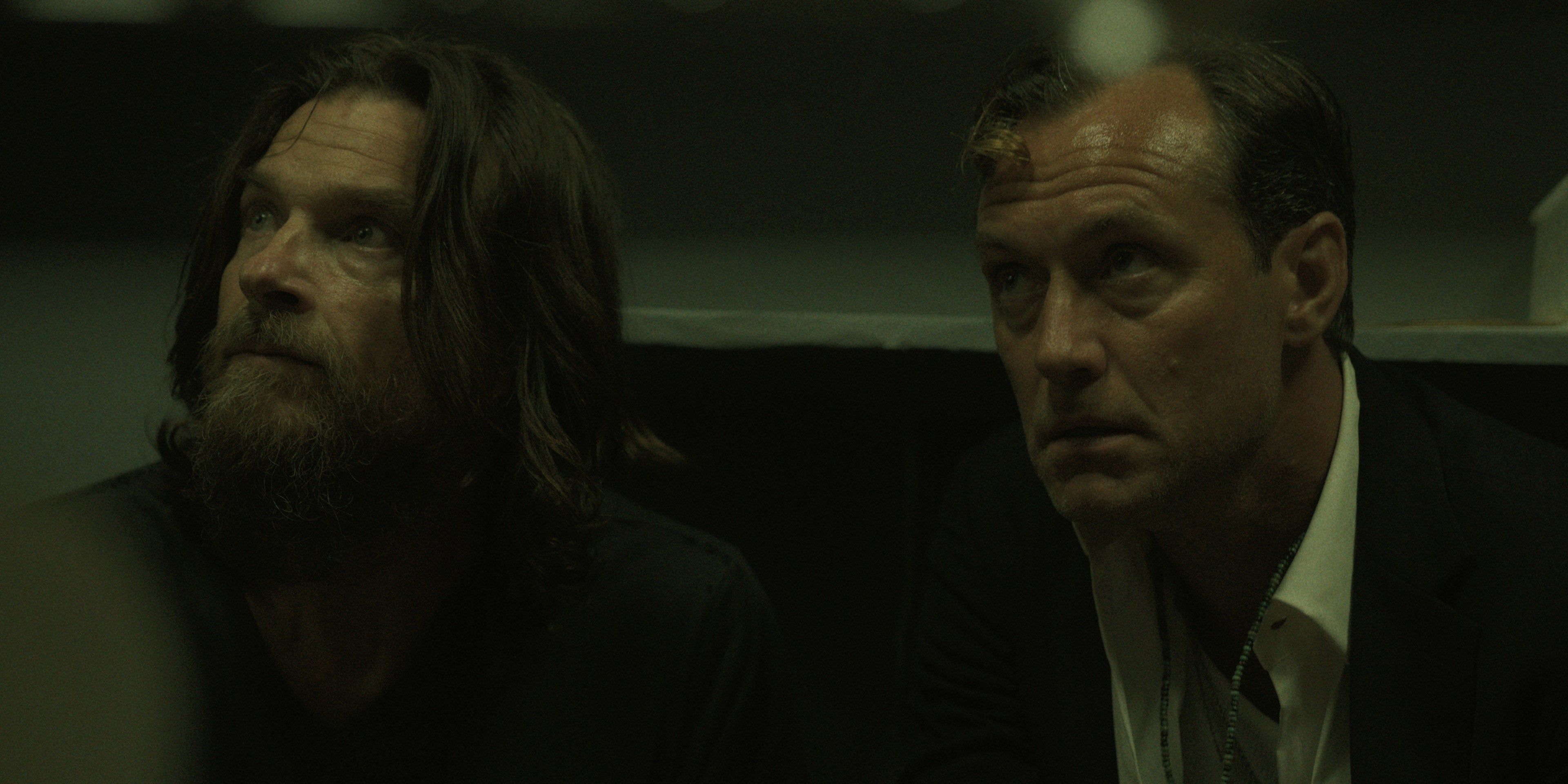
“For this show, I started using dynamic light sources, allowing them to fluctuate in brightness and shift in color," Martinović said. "By doing so, the origin of the light becomes less obvious, which I hope brings greater authenticity to the scenes."
In his episodes, Konczal built on this lighting approach using camera movement. With the lighting creating a natural world, it was only right for the camera to be just as honest.
"For me, the challenge in maintaining and evolving the look [of Black Rabbit] was to have a camera that you weren't aware of," Konczal said. "A lot of the [camera] moves in the show are very intricate, and there was a bit of a ballet between the two cameras. And I think we were able to create a space where we thought about the blocking and how we would have these cameras being very voyeuristic."
"There were compound moves where the dolly is moving a certain way, the talent is moving in other ways, and the cameras are just observing, but in a very cinematic way. That voyeuristic long lens approach, where the cameras are often further away, creates this effect where you're not really thinking about the camera that much in the story."
Composition on the Border Between Failure and Success
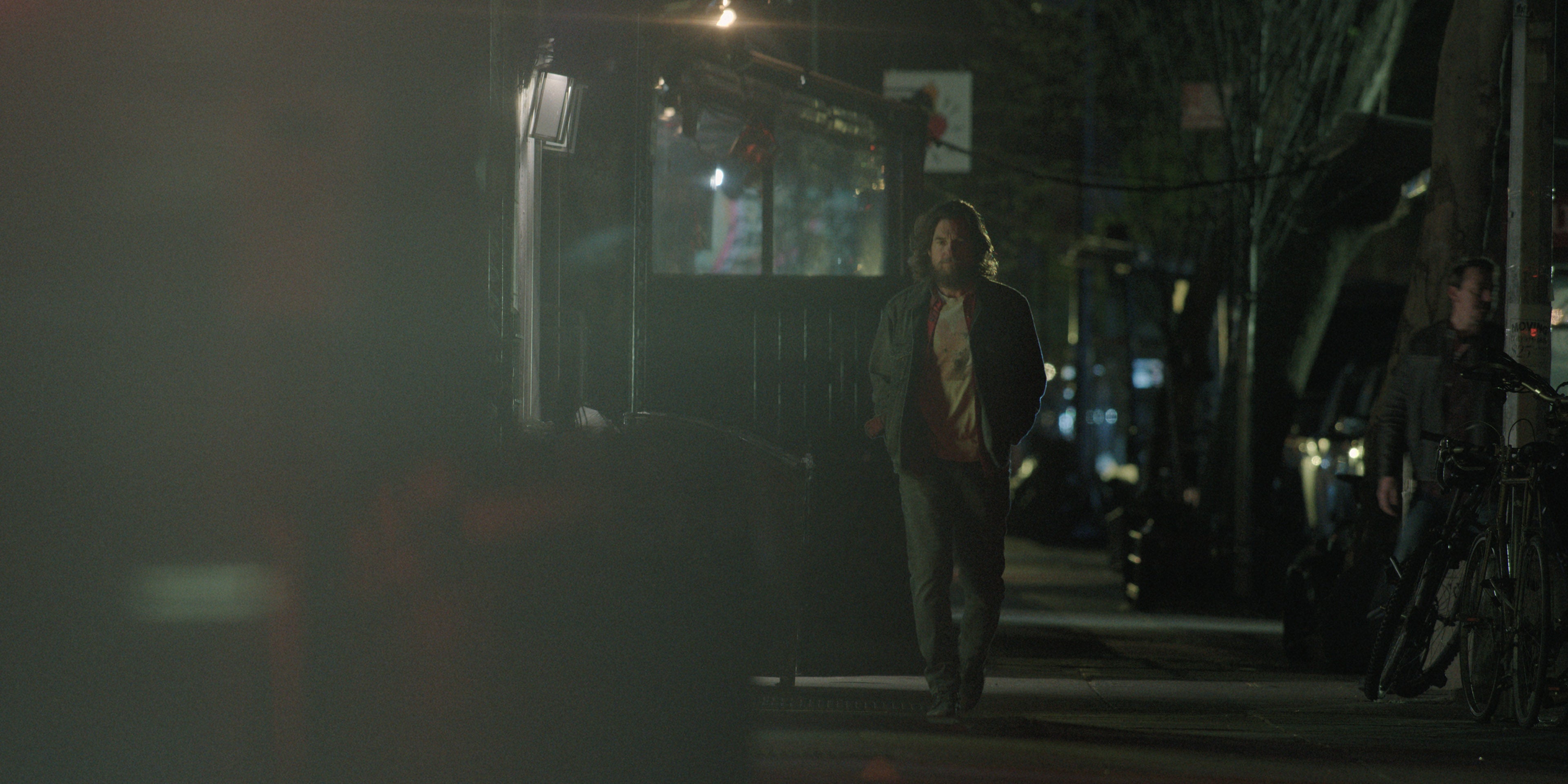
From beginning to end, the visual language of Black Rabbit rides a fine line between grit and glamor. Looking back on his work in the show, Martinović reflects on the challenges he faced and how close he thinks he came to the edge. But for the cinematographer, the edge is where he does his best work.
"You work with the constraints no matter the budget you have, because you should always think larger than your budget allows," Martinović said. "Like, you're always on the verge of failure. That's something that really excites me, because I think good photography is always on the border between failure and success. That's where you challenge yourself."
Stream Black Rabbit on Netflix now to see more of Martinović's and Konczal's work. To learn more about the Sony Cinema Line, explore our Camera Comparison Chart.


